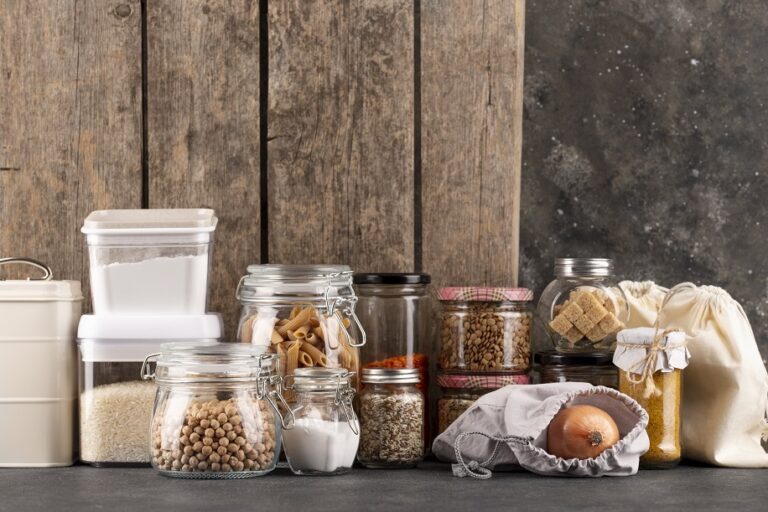
In an era of rising food costs, mastering your grocery budget is more critical than ever. But saving money on groceries doesn’t start with clipping coupons or chasing sales—it starts with a strategic foundation: your pantry. By intentionally stocking a collection of long-lasting, versatile, and budget-friendly pantry staples, you create a powerful financial safety net. This pantry empowers you to cook more meals at home, dramatically reduce food waste, and resist the siren call of expensive last-minute takeout.
Pantry staples that save money are more than just convenient; they are the building blocks of frugal, flavorful, and nutritious eating. They give you the freedom to create endless meal combinations without a weekly shopping trip, insulating your budget from price spikes and impulse buys. This comprehensive, long-form guide will walk you through the most valuable staples to stock, complete with creative usage ideas, storage hacks, and a step-by-step plan to build a cost-efficient pantry that will instantly lower your food costs.
Why Pantry Staples Are Your Secret Weapon for Saving Money
Understanding the “why” behind pantry power is the first step to transforming your spending habits. A well-curated pantry functions as your home’s culinary insurance policy. Here’s a detailed breakdown of how these simple ingredients lead to significant savings:
- Inexpensive & Shelf-Stable: The core items—like rice, beans, and pasta—are some of the cheapest foods per pound available. Their long shelf life means you can buy them in bulk when prices are low without fear of spoilage, making your budget predictable and resilient.
- Unbeatable Versatility: A single bag of lentils can become soup, a taco filling, a burger patty, or a base for a curry. This versatility means you can cook a wide variety of meals, preventing menu fatigue and the desire to eat out for something “different.”
- The Foundation of Scratch Cooking: Cooking from scratch is almost always cheaper than buying pre-made meals, and your pantry makes it possible. A simple jar of canned tomatoes and some dried pasta create a meal for a fraction of the cost of a jarred sauce and delivery pasta.
- Meal Stretchers: Expensive ingredients like meat and fresh fish can be stretched much further when paired with pantry staples. A single chicken breast can feed a family of four when combined with rice and vegetables in a stir-fry or casserole.
- Reduces Food Waste: With a stocked pantry, you can easily transform leftover vegetables or proteins into a new meal. Wilted veggies can go into a frittata or soup, and last night’s roast chicken can become today’s chicken salad or enchiladas.
The Ultimate List of Pantry Staples That Save Money
Building a money-saving pantry is about selecting the right ingredients. The following list is curated for maximum cost-effectiveness, nutritional value, and culinary flexibility.
1. Rice: The Timeless Budget Stretcher
Rice is arguably the king of cheap pantry staples. It’s incredibly affordable, filling, and a blank canvas for flavors from every cuisine.
- Value Breakdown: A single bag can yield dozens of servings. Brown rice offers more fiber and nutrients, while white rice has an almost indefinite shelf life.
- Storage Tips: Store in airtight containers in a cool, dark place to prevent moisture, staleness, and pests.
- How It Saves Money: Rice acts as a filler, absorbing flavors and making small amounts of protein and vegetables feel like a complete, satisfying meal.
Best Ways to Use Rice:
- Fried Rice: The ultimate vehicle for leftovers.
- Rice and Bean Bowls: A complete protein and a filling meal.
- Congee/Rice Porridge: A savory, comforting breakfast.
- Casseroles: Adds heartiness and stretches expensive ingredients.
- Pudding: A cheap and delicious dessert.
2. Beans & Lentils: The Protein Powerhouses
Beans and lentils are nutritional champions, packed with protein, fiber, and essential minerals at a rock-bottom price.
- Value Breakdown: Dry beans are the most cost-effective, while canned beans offer unbeatable convenience for a still-low price.
- Storage Tips: Keep dry beans in sealed containers. Store canned beans in a cool cupboard and use within a year.
- How They Save Money: They are one of the cheapest sources of protein available, allowing you to reduce meat consumption significantly without sacrificing nutrition or satiety.
Best Ways to Use Beans & Lentils:
- Hearty Chili & Stews: Inexpensive, filling, and perfect for batch cooking.
- Dips & Spreads: Hummus and black bean dip are cheap, healthy snacks.
- Vegetarian Burgers & Patties: A tasty alternative to beef.
- Salads: Add substance to green salads or form the base of protein-packed grain salads.
- Soups: Lentil soup is a classic for a reason—it’s cheap, easy, and nourishing.
3. Pasta: The Quick & Easy Meal Solution
Pasta is a dinner lifesaver. It cooks in minutes, pairs with virtually any sauce, and is incredibly affordable, especially when bought in bulk.
- Value Breakdown: Regular semolina pasta is often the cheapest, while whole wheat and legume-based pastas offer extra nutrients.
- Storage Tips: Keep in its original box or transfer to airtight containers to protect from pantry moths.
- How It Saves Money: It creates a family-sized meal for just a few dollars and reduces energy costs with its quick cooking time.
Best Ways to Use Pasta:
- Aglio e Olio: A classic Italian dish made with just garlic, oil, and pantry spices.
- Pasta e Fagioli: A hearty pasta and bean soup.
- Pasta Salads: Ideal for make-ahead lunches.
- Simple Tomato Sauce: Using canned tomatoes, garlic, and dried herbs.
- Casseroles: Like a classic tuna noodle or baked ziti.
4. Canned Tomatoes: The Flavor Foundation
Canned tomatoes are the secret weapon of budget-friendly cooking. They are consistently cheaper and often more flavorful than fresh tomatoes, especially off-season.
- Value Breakdown: Crushed tomatoes are perfect for sauces, diced for chilis, and tomato paste adds intense umami depth.
- Storage Tips: Transfer leftover tomato paste to an ice cube tray and freeze for future use.
- How They Save Money: A single can of tomatoes can become a pasta sauce, soup, or stew base for a fraction of the cost of a pre-made jar.
Best Ways to Use Canned Tomatoes:
- Homemade Marinara Sauce: Simmer with garlic and herbs.
- Shakshuka: A Middle Eastern dish of eggs poached in a spicy tomato sauce.
- Chili & Stews: Forms the rich, liquid base.
- Curries: A key ingredient in many Indian and Thai curries.
- Quick Soups: Like a simple tomato soup or minestrone.
5. Oats: The Breakfast & Baking Champion
Oats are one of the most cost-effective and nutritious breakfast options, but their utility extends far beyond the morning bowl.
- Value Breakdown: Old-fashioned rolled oats offer the best balance of cost, cooking time, and versatility.
- Storage Tips: Store in an airtight container to protect from moisture.
- How They Save Money: A container of oats costs pennies per serving compared to boxed cereals, pastries, or breakfast bars.
Best Ways to Use Oats:
- Oatmeal & Overnight Oats: A endlessly customizable breakfast.
- Homemade Granola: Much cheaper and healthier than store-bought.
- Baking: Use in cookies, muffins, and crumbles, or blend into oat flour.
- Smoothies: Add a scoop for extra fiber and to make them more filling.
- Savory Applications: Use as a binder for meatballs or veggie burgers.
6. Flour: The Key to Homemade Baking
Flour is the ultimate “maker” staple. With it, you can bypass the expensive bakery aisle and create your own bread, pizza, and pastries for a fraction of the cost.
- Value Breakdown: All-purpose flour is the most versatile. Consider buying in bulk if you bake regularly.
- Storage Tips: Store in an airtight container in a cool, dark place. For long-term storage, freeze it to kill any potential pantry moth eggs.
- How It Saves Money: A five-pound bag of flour can make multiple loaves of bread, a batch of pizza dough, and several dozen biscuits.
Best Ways to Use Flour:
- No-Knead Bread: A simple, foolproof method for artisan-style bread.
- Homemade Pizza Dough: A fun, cheap Friday night meal.
- Tortillas & Flatbreads: Fresh, soft, and incredibly cheap to make.
- Pancakes & Waffles: A weekend breakfast staple.
- Thickening Agent: For gravies, sauces, and soups.
7. Affordable Proteins: Tuna, Salmon, and Nut Butters
When fresh protein is too expensive, these shelf-stable options are a lifesaver.
- Canned Tuna & Salmon: Far cheaper than fresh fish and ready to eat. Perfect for salads, sandwiches, and casseroles.
- Peanut Butter & Other Nut Butters: A calorie-dense, protein-packed spread that’s perfect for sandwiches, sauces (like satay), smoothies, and snacks.
8. The Flavor Enhancers: Broth, Oils, and Spices
These items transform basic ingredients into delicious meals.
- Broth & Bouillon: Bouillon cubes or powder are incredibly cost-effective and space-saving compared to cartons of broth. They add depth to soups, rice, and sauces.
- Cooking Oils: Vegetable oil for high-heat cooking and olive oil for dressings and finishing are essential for homemade cooking.
- Spices & Seasonings: A small investment in a core collection (e.g., garlic powder, onion powder, paprika, cumin, oregano, chili powder) is non-negotiable for turning cheap ingredients into meals you’ll crave.
9. Long-Lasting Fresh & Frozen Items
- Potatoes & Onions: While not shelf-stable forever, these affordable vegetables can last for weeks in a cool, dark place and add bulk and heartiness to countless dishes.
- Frozen Vegetables: Often more nutritious than “fresh” produce that has traveled long distances, frozen veggies are picked and frozen at peak ripeness. They are perfect for stir-fries, soups, and side dishes, preventing waste and saving money.
How to Build a Money-Saving Pantry from Scratch (Step-by-Step)
Starting a pantry can feel daunting, but you don’t need to do it all at once. Follow this strategic approach.
- Step 1: Audit and Plan
- Take stock of what you already have. Check expiration dates and organize your space.
- Make a list of the core staples mentioned above and identify which you use most often.
- Step 2: Start with the Absolute Basics
- Begin with a small, powerful core: one grain (rice or pasta), one protein (lentils or canned beans), one canned vegetable (tomatoes), and one breakfast item (oats). This alone can form several meals.
- Step 3: Shop Smart and Slow
- Buy in Bulk (Wisely): Only buy large quantities of items you know you’ll use before they expire. Warehouse clubs and bulk bins are great for this.
- The “One-In, One-Out” Rule: When building your pantry, try to add one new staple to your cart each week. This spreads out the cost over time.
- Compare Unit Prices: Look at the price per ounce or gram to find the true best deal, not just the sticker price.
- Step 4: Master Organization & Storage
- Use clear, airtight containers (like mason jars or food-grade bins) to keep ingredients fresh and visible.
- Implement the “First In, First Out” (FIFO) method. Place newer items behind older ones so you use the oldest stock first.
- Step 5: Plan Meals Around Your Pantry
- Before you go grocery shopping, plan your meals based primarily on what’s already in your pantry. Your shopping list should then consist of fresh items and one or two pantry items to replenish or add. This is the cornerstone of reducing grocery bills.
Delicious & Cheap Meal Ideas Using Only Pantry Staples
Here are meals you can make even when the fridge is looking bare, proving that pantry staples save money without sacrificing flavor.
- Pantry-Only Lentil Soup: Sauté onion and garlic, add dried lentils, canned tomatoes, and broth. Simmer until tender.
- Pasta with Canned Tuna and Tomatoes: A classic Italian “pantry pasta.” Sauté garlic, add canned tomatoes, and flake in tuna. Toss with cooked pasta.
- Chickpea Salad Sandwiches: Mash canned chickpeas with mayo (or olive oil), mustard, and spices for a tasty alternative to tuna or chicken salad.
- Rice and Bean Burrito Bowls: Serve cooked rice with canned black beans, salsa (canned tomatoes, onion, cilantro, lime), and a dollop of sour cream or yogurt if available.
- Oatmeal with Cinnamon and Brown Sugar: A simple, comforting, and incredibly cheap breakfast.
Advanced Tips for Maximizing Your Pantry’s Potential
Once your pantry is established, these pro-level tips will help you save even more.
- Embrace Plant-Based Meals: Designate one or two days a week where meals are built entirely around beans, lentils, or grains. This is one of the most effective ways to lower your food costs.
- Learn Preservation Skills: Learn how to properly freeze leftovers, pickle vegetables, or make your own jam. This extends the life of seasonal produce and pantry items.
- Grow Your Own Herbs: A small windowsill garden with basil, parsley, or mint provides fresh flavor for a one-time cost, reducing the need to buy expensive, pre-packaged herbs that often go to waste.
Frequently Asked Questions (FAQs)
1. What are the top 5 pantry staples that save money?
The non-negotiable top five are rice, dried lentils, canned tomatoes, oats, and pasta. This combination provides a base for countless, diverse, and filling meals.
2. How do I avoid food waste with a large pantry?
Organization is key. Use clear containers, label them with purchase dates, and practice the FIFO method. Regularly “shop your pantry” and challenge yourself to create meals from what you have before buying more.
3. Are canned or dry beans better for saving money?
Dry beans are cheaper per serving, but canned beans offer convenience and speed. A good strategy is to use dry beans for planned meals and keep canned beans on hand for quick, last-minute dinners.
4. What is the cheapest way to add flavor to pantry meals?
Invest in a core set of dried spices and herbs. Garlic powder, onion powder, smoked paprika, cumin, oregano, and red pepper flakes can elevate any simple dish. Also, don’t underestimate the power of salt and acid—a squeeze of lemon juice or a dash of vinegar can brighten up a canned soup or bean dish.
5. How can I build a pantry on a $50 budget?
Focus on the absolute essentials. Buy a large bag of rice, a bag of lentils, a few cans of beans and tomatoes, a container of oats, and one type of pasta. Use any remaining money for a cooking oil and one or two key spices like garlic powder and chili powder.
6. What pantry staples stretch meals the most?
Rice, potatoes, pasta, and beans are the ultimate meal stretchers. They add volume, carbohydrates, and fiber, making dishes more filling and allowing you to use smaller amounts of expensive proteins and fresh produce.
Final Thoughts: Your Pantry, Your Financial Powerhouse
A strategically stocked pantry is far more than a collection of food; it’s a dynamic tool for financial resilience and culinary creativity. By investing in these pantry staples that save money, you are not just filling cabinets—you are building a buffer against inflation, reducing your reliance on processed foods, and empowering yourself to feed your family well on a budget. Start small, be consistent, and watch as your grocery bills shrink and your confidence in the kitchen soars. Your journey to stretching your grocery budget and eating well for less starts with a single bag of rice.