Freezing meals for the entire month isn’t just a kitchen hack; it’s a powerful strategy that gives you back your time, money, and peace of mind. Imagine opening your freezer on a hectic Wednesday evening to find a delicious, home-cooked meal ready to go—no chopping, no cleaning, no stress. This comprehensive guide will walk you through every single step, from initial planning to the final reheating, ensuring you can fill your freezer with confidence. Whether you’re a meal prep novice or looking to refine your system, this post will equip you with the knowledge to master the art of long-term freezer cooking, reduce food waste, and keep your budget firmly on track.
Why Freezing Meals for the Month is a Game-Changer
The benefits of monthly freezer cooking extend far beyond simple convenience. It’s a holistic approach to managing your household that pays dividends in several key areas.
- Significant Financial Savings: By planning your meals around sales and seasonal produce, buying ingredients in bulk, and drastically reducing impulse takeout orders, you can cut your grocery bill by 20-30% or more. You’re cooking intentionally, which means you’re using every last bit of what you buy.
- Reclaim Your Most Precious Resource: Time. The daily question, “What’s for dinner?” disappears. You effectively cook once (or twice) and eat for weeks. This frees up countless hours each month for family, hobbies, or simply relaxing.
- Drastically Reduce Food Waste: How often have you thrown out wilted herbs, spoiled meat, or soggy vegetables? With a freezer meal plan, every ingredient has a designated purpose. Leftovers are no longer forgotten in the back of the fridge; they’re immediately portioned and frozen for a future lunch or dinner.
- Promote Healthier Eating Habits: When a nutritious, home-cooked meal is just as convenient as dialing for pizza, you’re far more likely to make the healthier choice. You control the ingredients, sodium, fats, and portions, supporting your family’s wellness goals.
How Freezer Cooking Actually Works: The Science of Preservation
Understanding the “why” behind the “how” is crucial for successful long-term meal freezing. Freezing food at 0°F (-18°C) or below halts the activity of microorganisms and enzymes that cause food spoilage. However, freezing doesn’t kill these microbes; it just puts them on pause. This is why proper handling before and after freezing is non-negotiable for safety and quality.
The real challenge in freezer cooking isn’t safety—it’s texture and flavor preservation. The formation of ice crystals can damage the cell walls of food, leading to a mushy or watery texture upon thawing. Our strategies—like cooling completely, removing air, and choosing the right meals—are all designed to minimize ice crystal formation and protect the integrity of your delicious creations.
Planning Your Monthly Freezer Meal Strategy: The Blueprint for Success
Jumping in without a plan is the fastest way to burnout and a disorganized freezer. A strategic plan is your roadmap to success.
- Conduct a Kitchen Audit: Before you write a single thing on your shopping list, take stock of your pantry, fridge, and freezer. What do you already have? Building meals around existing ingredients is the first step to a budget-friendly prep.
- Brainstorm Your Family’s Favorites: Sit down with your family and list 15-20 meals everyone loves. This ensures your frozen meals will actually be eaten. Categorize them: soups, casseroles, skillet meals, etc.
- Check the Sales Flyers: Plan your prep days around what proteins and vegetables are on sale that week. If ground beef is a great price, plan for chili, lasagna, and taco meat.
- Create a Themed Monthly Calendar: Structure your plan to avoid monotony. For example:
- Week 1: Hearty Soups & Stews
- Week 2: Family-Friendly Casseroles
- Week 3: Quick & Easy Stir-Fry Kits
- Week 4: Prepped Proteins & Breakfasts
- Build Your Master Shopping List: From your monthly calendar, compile a detailed list of every ingredient you’ll need, organized by department (produce, dairy, meat) to make your shopping trip efficient.
Choosing the Best Meals to Freeze: What Works and What Doesn’t
Not all dishes are created equal when it comes to the freezer. Knowing which meals are champions will set you up for success.
Meals That Freeze Exceptionally Well:
- Soups, Stews, and Chilies: Their high-liquid content and slow-cooked ingredients freeze and reheat beautifully.
- Saucy Pasta Dishes: Think lasagna, baked ziti, or spaghetti sauce (freeze the sauce separately from the pasta for best texture).
- Meatballs and Meatloaf: Cooked or raw, they hold their shape and flavor perfectly.
- Cooked Beans and Legumes: A fantastic base for quick meals.
- Sauces and Broths: The ultimate flavor foundation for future dishes.
Meals That Require Special Technique:
- Cream-Based Soups: Add the cream, milk, or yogurt after thawing and reheating to prevent separation.
- Potatoes: For soups and stews, use waxy potatoes like red potatoes or Yukon Golds. For mashed potatoes, ensure they are heavy on the fat (butter, cream cheese) to maintain creaminess.
- Rice and Pasta: Always undercook by a few minutes so they don’t turn to mush upon reheating.
- Delicate Vegetables (like lettuce, cucumbers, radishes): Do not freeze well as they have high water content and become limp.
Comprehensive List of Freezer-Friendly Meal Types
1. Soups & Stews: The Freezer’s Best Friend
Impossible to mess up, these one-pot wonders are the perfect starting point. From classic chicken noodle to spicy lentil and sausage, they are cost-effective, easy to portion, and universally comforting.
2. Casseroles: The Ultimate Comfort Food Freezer Meal
Layered, saucy, and filling, casseroles like enchiladas, king ranch chicken, and broccoli rice casserole are designed for the freezer. You can assemble them and freeze them unbaked (add 20-30 minutes to the baking time) or fully cooked for a simple reheat.
3. Stir-Fries & Skillet Meals: Your “Dinner in Minutes” Kit
The key here is the “kit” method. Chop all your vegetables (bell peppers, broccoli, onions), slice your protein (chicken, beef, shrimp), and place them in a bag with your marinade or sauce. Freeze the kit flat. When ready, you can cook it straight from frozen in a hot wok or skillet.
4. Pasta & Grain-Based Dishes: A Family Staple, Made Easy
As mentioned, slightly undercook your grains. For baked pasta dishes, they freeze beautifully. For simpler meals like marinara sauce, freeze the sauce separately and boil fresh pasta the night you eat it.
5. Breakfast Freezer Meals: Conquer the Morning Chaos
Mornings are transformed with a freezer stocked with breakfast burritos, homemade waffles or pancakes, muffin-tin egg frittatas, and pre-portioned smoothie bags. Simply grab, reheat, and go.
6. Pre-Cooked Proteins: Your Secret Weapon for Salads, Wraps, and Bowls
Grill or bake a large batch of chicken breasts, shred a pork shoulder, or cook a few pounds of taco-seasoned ground beef. Having these ready-to-go proteins on hand makes assembling a healthy lunch or dinner in under 10 minutes a reality.
Essential Tools for Freezing Monthly Meals
Investing in the right tools is an investment in the quality and longevity of your frozen meals.
- High-Quality, Freezer-Safe Containers: Choose from BPA-free plastic, tempered glass (ensure it’s labeled freezer-safe), or stainless steel. Glass is excellent for preventing stains and odor transfer.
- Heavy-Duty Freezer Bags: Perfect for soups, sauces, and meal kits. They are space-efficient when frozen flat.
- Reusable Silicone Bags: An eco-friendly alternative to plastic bags, they are durable, sealable, and work wonderfully.
- Vacuum Sealer: For the serious freezer cook, this is a game-changer. Removing almost all air dramatically extends the shelf life and prevents freezer burn, especially on delicate proteins and fish.
- Disposable Aluminum Pans: Ideal for gifting meals or for casseroles you plan to bake and then dispose of the pan. They stack neatly.
- Waterproof Labels and a Permanent Marker: This is non-negotiable. Label everything with the meal name, date frozen, and reheating instructions (e.g., “Thaw, then bake at 375°F for 40 mins”).
How to Prepare Meals for Freezing: A Step-by-Step Protocol
Follow these steps religiously for the best results every single time.
- Cool Completely, But Quickly: Never put hot food in the freezer. It raises the internal temperature and can create large ice crystals. To cool soups and stews quickly, place the pot in an ice bath in your sink, stirring occasionally.
- Portion with Purpose: Think about how you’ll use the meal. Portion into individual servings for lunches or family-sized portions for dinners. Using shallow containers ensures food freezes and thaws quickly and evenly.
- Choose the Right Packaging: Match the meal to the container. Use rigid containers for liquids and fragile items, and bags for space-saving and flat-freezing.
- The Art of Air Removal: For bags, use the water displacement method: lower the sealed bag into a bowl of water, leaving the top unsubmerged; the water pressure will push out the air. Then seal completely. For containers, choose sizes that minimize empty space.
- Label with Military Precision: A well-labeled freezer is a happy freezer. No more “mystery meat” containers. Your future self will thank you.
- Freeze Flat to Maximize Space: Laying bags flat on a baking sheet until solid creates uniform “bricks” that are incredibly easy to stack and organize.
How Long Do Frozen Meals Actually Last?
While frozen food is safe indefinitely at 0°F, the quality degrades over time. Follow this general guideline for peak flavor and texture:
- Soups, Stews, and Broths: 3-6 months
- Casseroles and Pasta Bakes: 3-4 months
- Cooked Poultry and Meat: 4-6 months
- Cooked Ground Meat: 3-4 months
- Breakfast Burritos and Frittatas: 2-3 months
- Raw Meat Meal Kits: 2-3 months
Your Monthly Meal Prep Blueprint: A 4-Week Plan
This rotating schedule ensures variety and efficiency.
- Prep Week 1: Soup & Stew Spectacular
- Cook 3-4 different large-batch soups (e.g., Beef Stew, Chicken Tortilla, Minestrone).
- Freeze in a variety of portion sizes using quart containers or flat bags.
- Prep Week 2: Casserole Carnival
- Assemble 2-3 family-sized casseroles (e.g., Spinach & Sausage Lasagna, Chicken & Rice Casserole, Shepherd’s Pie).
- Freeze unbaked, covered tightly with foil. Don’t forget to label with baking instructions.
- Prep Week 3: Dump-Bag & Skillet Bonanza
- Create 5-7 different raw meal kits (e.g., Fajita Chicken, Honey Garlic Pork, Teriyaki Beef, Lemon Herb Salmon).
- All components—meat, veggies, sauce—go into one bag. Freeze flat.
- Prep Week 4: Breakfast & Snack Attack
- Whip up a massive batch of pancakes, breakfast burritos, and energy balls.
- Portion out yogurt and granola for parfaits, and pre-make smoothie packs.
How to Thaw and Reheat Frozen Meals Safely and Effectively
Thawing Methods (in order of preference):
- In the Refrigerator (Best Method): Plan ahead! Transfer the meal from the freezer to the fridge 24-48 hours before you need it. This slow thaw keeps the food at a safe temperature and preserves texture.
- In Cold Water (Faster Method): For a quicker thaw, place the sealed, leak-proof bag or container in a bowl of cold water, changing the water every 30 minutes.
- Cook From Frozen (Convenient Method): Many casseroles, soups, and proteins can be cooked directly from frozen. You will need to add 50-100% more cooking time. Ensure the internal temperature reaches a safe 165°F (74°C) for pre-cooked meals.
Reheating for Perfect Results:
- Oven/Toaster Oven: Best for casseroles, baked goods, and anything where you want a crispy texture. Reheat at 350°F until bubbly and hot.
- Stovetop: Ideal for soups, stews, and sauces. Use low to medium heat, stirring occasionally to prevent scorching.
- Slow Cooker: Great for reheating soups and shredded meats directly from frozen on the low setting for 4-6 hours.
- Microwave: Use for individual portions. Reheat at 50% power in intervals, stirring in between, to heat evenly without overcooking.
The Biggest Freezer Meal Mistakes (And How to Avoid Them)
- Freezer Burn Sabotage: Caused by air exposure. Solution: Use airtight packaging and remove as much air as humanly possible.
- The Mystery Meal Dilemma: An unlabeled container is a wasted meal. Solution: Label everything the moment it’s packaged.
- Texture Tragedy from Overcooking: Pasta or rice cooked fully before freezing turns to mush. Solution: Undercook by 2-3 minutes.
- The Dairy Disaster: Adding fresh milk, cream, or yogurt before freezing causes curdling. Solution: Add these fresh during the reheating process.
- Freezer Overload: Putting too many warm items in at once raises the freezer’s temperature. Solution: Cool all food completely and freeze in batches if necessary.
Advanced Tips for Freezer Meal Mastery
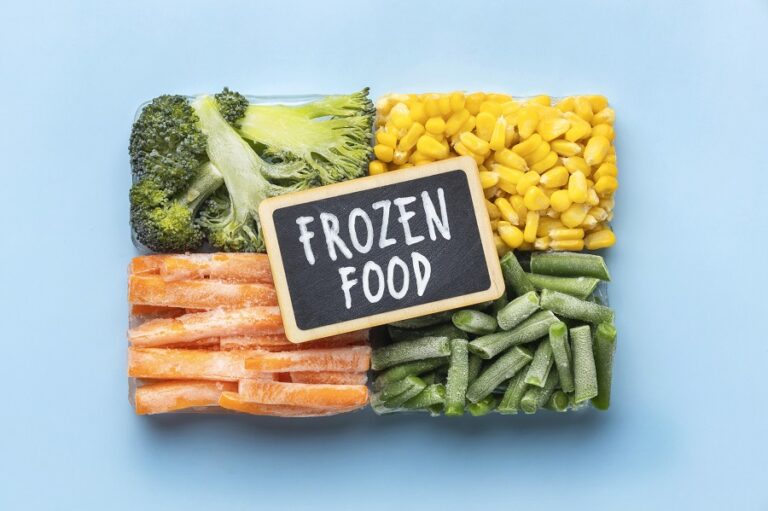
- Blanching Vegetables: For vegetables you plan to freeze on their own (like broccoli, green beans, or corn), blanching them in boiling water for a brief period and then shocking them in ice water preserves their color, flavor, and texture.
- Layering Smartly: In casseroles, place saucy ingredients at the bottom and top to protect drier ingredients like pasta from freezer burn.
- The “First-In, First-Out” Rule: Always rotate your freezer stock. Place new meals behind older ones to ensure you use the oldest meals first.
Frequently Asked Questions (FAQ)
1. How do you properly freeze cooked meals?
Cool the meal completely, portion it into airtight, freezer-safe containers or bags, remove excess air, label it clearly with the name and date, and freeze it as quickly as possible.
2. What are the best containers for freezing food?
Tempered glass containers, BPA-free rigid plastic containers, heavy-duty freezer bags, and reusable silicone bags are all excellent choices. Always ensure they are labeled as “freezer-safe.”
3. Can you freeze dairy-based meals?
Yes, but with caution. Cream-based soups can be frozen if you use a roux (butter and flour) base instead of pure cream. For dishes like mac and cheese, a cheese sauce made with a roux base freezes much better than one with direct milk or cream. When in doubt, add fresh dairy after reheating.
4. How do you prevent sauces from separating when frozen?
Stirring a tablespoon of cornstarch slurry into sauces before freezing can help stabilize them. For oil-based dressings or marinades, separation is natural; just shake or stir well after thawing.
5. Is it safe to refreeze a thawed freezer meal?
It is safe to refreeze food that has been thawed in the refrigerator, provided it hasn’t been there for more than a day or two. However, each freeze-thaw cycle degrades the quality, so it’s not ideal. Never refreeze food that has been thawed at room temperature or in warm water.
Final Thoughts: Your Freezer, Your Lifesaver
Mastering how to freeze meals for the month is one of the most empowering and practical skills you can develop for your home and family. It transforms the dinner hour from a source of stress into a moment of ease and satisfaction. With this complete guide, you have everything you need to build a sustainable, budget-friendly system that works for you. Start small, be kind to yourself as you learn, and soon you’ll wonder how you ever managed without a well-stocked freezer. Happy prepping