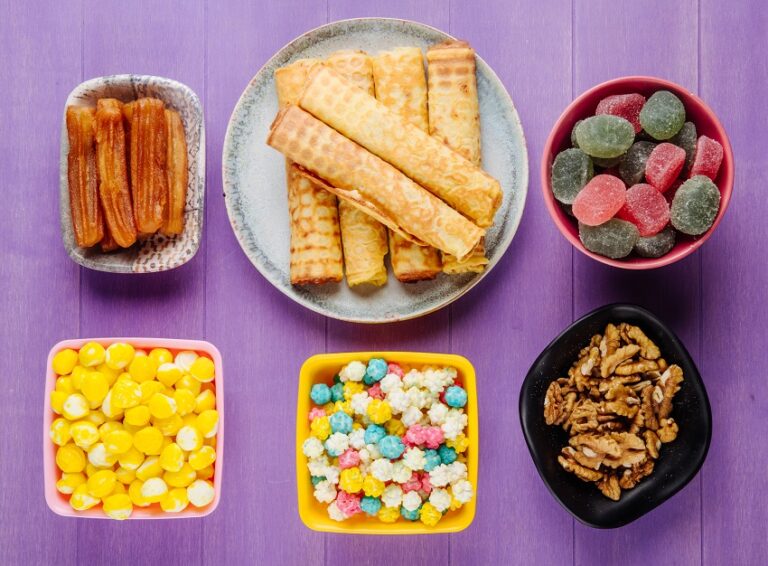
Feeding growing kids can feel like a non-stop task, especially when snack time seems to roll around every hour. If you’re a parent watching your grocery bill, you might worry that “cheap” means resorting to unhealthy, processed junk food. But here’s the good news: with a little planning and creativity, you can serve snacks that are nutritious, fun, and incredibly wallet-friendly.
This comprehensive guide is your one-stop resource for affordable, healthy snacks for kids. We’ll dive into why cheap snacks matter, outline smart nutritional principles, and provide a massive list of over 30 kid-approved ideas. You’ll also find easy homemade recipes, smart store-bought options, and proven strategies to keep costs down without sacrificing quality. Let’s build a snack plan that keeps both your children and your budget happy.
Why Investing in Healthy, Cheap Snacks is a Game-Changer
The Real Cost of Kids’ Snacks
Kids have small stomachs but seemingly boundless energy. They need to refuel frequently between meals to stay focused in school, power through extracurricular activities, and support their rapid growth. This constant need for fuel can put a significant strain on any family’s food budget.
Having a arsenal of cheap, healthy snacks for kids ready to go isn’t just about saving money—it’s about building healthy habits and simplifying your life. Ready-made, affordable snacks help:
- Prevent Constant Grocery Trips: A well-stocked pantry and fridge mean fewer last-minute, expensive store runs.
- Reduce Reliance on Processed Junk: When healthy options are just as convenient as a bag of chips, it’s easier to make a better choice.
- Ensure Kids Are Properly Fueled: Nutritious snacks prevent energy crashes and mood swings, providing sustained energy until the next meal.
The Health Equation: Balancing Budget and Nutrition
Public health experts consistently emphasize that snacks should do more than just curb hunger; they should contribute to a child’s overall nutritional intake. The Snack Sense for Parents guide from Harvard/YMCA is a fantastic resource that promotes affordable, whole-food options. It advises using snacks as an opportunity to incorporate more fruits, vegetables, whole grains, and low-fat dairy into your child’s diet, laying the foundation for lifelong healthy habits. Harvard SPH Content
Building a Better Snack: 5 Smart Principles for Parents
Creating a sustainable and healthy snack strategy is easier than you think. Follow these five core principles to ensure every snack is a win.
- Balance Nutrients for Staying Power: The most effective snacks combine two different food groups. Pairing a carbohydrate with a protein or healthy fat creates a snack that is far more filling and sustaining. Think apple slices with peanut butter (fruit + protein/fat) or cheese with whole-grain crackers (protein + complex carb).
- Embrace the Power of Whole Foods: Unprocessed or minimally processed foods are almost always more nutritious and often cheaper per serving than their packaged counterparts. Fruits, vegetables, oats, and legumes are the stars of the best cheap snacks for kids.
- Master the Art of Batch Prepping: Setting aside an hour on the weekend to prep snacks can save you countless hours and dollars during the busy week. Batch cooking items like muffins, roasted chickpeas, or hard-boiled eggs is a game-changer for time and money management. The Sage Saver
- Become a Savvy Shopper: Smart shopping is the cornerstone of saving money. This means choosing store brands, buying seasonal produce, and purchasing non-perishable staples like oats and popcorn kernels in bulk.
- Limit Added and Hidden Sugars: Many seemingly healthy packaged snacks are loaded with added sugar. Opt for plain yogurt and add your own fruit, choose whole-grain crackers, and focus on natural fruit-based snacks. The Harvard guide strongly recommends avoiding sugary beverages and making fruits or vegetables a part of every snack. Harvard SPH Content
The Mega-List: Over 30 Cheap Snack Ideas for Kids
Here is a comprehensive collection of affordable, healthy, and kid-approved snack ideas. Mix and match based on what you have on hand and your children’s evolving tastes.
Fresh & Whole-Food Snacks: Nature’s Best
Fruit-Based Favorites
Fruit is nature’s perfect convenience food, packed with vitamins, fiber, and natural sweetness.
- The Classic: Fresh Seasonal Fruit: Apples, bananas, grapes, and oranges are consistently inexpensive, especially when bought in season. Slice them for easy eating or pair with a dip. Good Cheap Eats
- Fruit with a Twist: Apple “Cookies”: Slice apples into rounds, spread with peanut or almond butter, and top with a sprinkle of raisins or chia seeds for a fun, deconstructed treat. Tots World
- Frozen Fun: Homemade Fruit Pops: Blend overripe bananas, berries, or mango with a little yogurt or 100% fruit juice, pour into molds, and freeze. This creates a budget-friendly, fun treat that beats store-bought popsicles any day.
- The Simple Standby: Apple Sauce: Buy plain, unsweetened applesauce in large jars or make your own when apples are in season. It’s a cheap, fiber-rich snack that most kids love. Good Cheap Eats
- Banana “Ice Cream”: This is a magic trick! Blend frozen banana chunks in a food processor until they become smooth and creamy, just like soft-serve ice cream. Add a dash of cocoa powder for a chocolate version.
Veggie-Based Creations
Introducing vegetables in a fun, low-pressure way can help build positive associations.
- Crunchy Veggie Sticks & Hummus: Slice carrots, cucumbers, bell peppers, or celery and serve with a side of homemade hummus. It’s affordable, crunchy, and packed with nutrients. Tots World
- The Timeless Classic: Celery “Ants on a Log”: Spread nut or seed butter on celery sticks and dot with raisins. It’s a classic for a reason—fun, interactive, and cheap. Good Cheap Eats
- Sweet Potato “Fries”: Bake or air-fry thin slices of sweet potato with a tiny bit of oil and salt for a sweet, crispy, and vitamin-rich alternative to French fries.
- Easy-Peasy Frozen Peas: A bowl of frozen peas (thawed or even still slightly frozen) is a surprising hit with many young children. They’re sweet, fun to eat, and incredibly cheap.
Protein-Packed Powerhouses
Protein is essential for growth and helps keep kids full and satisfied.
- The Protein Champion: Hard-Boiled Eggs: Eggs are one of the most budget-friendly and nutrient-dense protein sources available. Boil a dozen at the start of the week for a grab-and-go snack. FT Food Giveaway
- DIY Lunchable: Cheese & Crackers: Skip the expensive pre-packaged kits. Buy a block of cheese (cheddar, mozzarella, or paneer) and cut it into cubes or fun shapes. Serve with whole-grain crackers or veggie sticks. The ParentZ
- Savory & Satisfying: Tinned Fish on Toast: For kids who enjoy it, tuna or sardines are fantastic, cost-effective sources of protein and omega-3s. Mix with a little plain yogurt or mashed avocado and serve on whole-grain toast. Nutrition 2 Nourish Flourish
- Simple Cottage Cheese Bowl: Cottage cheese is high in protein and calcium. Serve it plain, or top with a handful of berries or a sprinkle of cinnamon for extra flavor.
Wholesome Grains & Fiber-Filled Bites
Complex carbohydrates and fiber provide the steady energy kids need to learn and play.
- The Perfect Whole Grain: Homemade Popcorn: Popcorn is a whole grain and incredibly cheap when you make it from kernels on the stovetop or in an air popper. You control the seasoning, keeping it healthy. Nutrition 2 Nourish Flourish
- Make-Ahead Marvel: Overnight Oats or Oatmeal Cups: Oats are a nutritional powerhouse and one of the cheapest pantry staples. Mix rolled oats with milk or yogurt, let them sit overnight, and add fruit or a drizzle of honey in the morning. Nutrition 2 Nourish Flourish
- The Ultimate Comfort Snack: Whole-Grain Toast: Top whole-grain toast with nut butter, mashed banana, or a thin layer of cheese for a simple, filling, and nutritious snack. This Mom is on Fire
- Rice Cakes with Toppings: A brown rice cake is a blank canvas. Top it with avocado, cheese, or nut butter for a crunchy and satisfying snack.
Budget-Friendly, Kid-Approved Homemade Snack Recipes
Taking snack-making into your own hands is the single best way to control cost, quality, and nutrition. These DIY ideas feel like a treat but are cheap to make.
Simple, No-Fuss Homemade Recipes
No-Bake Energy Bites
These are a lifesaver for busy parents. They require no cooking, are easy for kids to help make, and are perfect for lunchboxes or after-school hunger.
- How to Make: In a bowl, mix together rolled oats, peanut butter (or sunflower seed butter for nut-free schools), a bit of honey or maple syrup, and optional add-ins like raisins, chocolate chips, or flax seeds.
- Roll into bite-sized balls and refrigerate. They are protein-rich, easy to portion, and can last for over a week in the fridge.
This method is very similar to the peanut butter oatmeal balls suggested by The Sage Saver. The Sage Saver
Wholesome Budget Muffins
Muffins are a fantastic vehicle for hidden nutrients and are perfect for batch cooking.
- Basic Recipe: Use a simple base of whole-wheat flour, mashed banana (a natural sweetener), a little oil, and milk.
- Boost the Nutrition: Add grated zucchini, carrot, or even blended spinach to the batter. You can also add a handful of oats or nuts.
- Freeze for Later: Let them cool completely and store them in a freezer bag. Pull out one at a time as needed—they thaw quickly.
Good Cheap Eats highly recommends making muffins at home as a core strategy for cheap, healthy snacking. Good Cheap Eats
Savory & Crunchy Roasted Snacks
If your kids crave a crunchy, salty snack like chips, these healthy alternatives are the answer.
- Roasted Chickpeas: Drain, rinse, and dry a can of chickpeas. Toss with a little olive oil, salt, and spices like paprika, garlic powder, or cumin. Roast in the oven at 400°F (200°C) for 20-30 minutes until crispy.
- Roasted Makhana (Fox Nuts): These are a light, airy snack. Dry roast them in a pan with a tiny bit of ghee or oil and your favorite seasonings until crispy.
Both options provide a chip-like texture but are far more nutritious and cheaper per serving than bags of processed snacks. Nutrition 2 Nourish Flourish
Smart Store-Bought Cheap Snacks That Still Make the Grade
Let’s be real—sometimes you need the convenience of a ready-made option. The key is knowing which ones to grab.
Winning Store-Bought Options
- Plain Greek Yogurt (Big Tub): Instead of single-serve flavored yogurts (which are expensive and high in sugar), buy a large plain tub and portion it out yourself. Let kids add their own fresh or frozen fruit. The ParentZ
- Whole-Grain Crackers + Nut/Seed Butter: Look for crackers with a short ingredient list and whole grains as the first item. Pair with a jar of peanut butter or sunflower seed butter.
- Mini Pretzels: These are cheap, low-fat, and fun for kids. Pair them with cheese cubes or a small side of hummus for a more balanced snack. Simply Recipes
- Fruit & Veggie Pouches: Store-brand versions of pureed fruit and vegetable pouches are a lifesaver for on-the-go moments. They are low-mess and relatively affordable. Just check for no added sugar. Simple Kids Wellness
- Unsweetened Applesauce Cups: Similar to the pouches, these individual cups are convenient and typically cheaper than other packaged snacks.
- Dagashi (Budget Candies): For an occasional sweet treat, dagashi—traditional, inexpensive Japanese candies and snacks—are very low-cost and fun for kids to experience.
Wikipedia
Pro Tips to Drastically Reduce Snack Costs
Saving money on snacks is about strategy as much as it is about the food itself.
Money-Saving Strategies for Smart Parents
- Buy in Bulk for Staples: Items like oats, rice, popcorn kernels, dried beans, and lentils are significantly cheaper when purchased from the bulk bins or in large bags.
- Make Prepping a Non-Negotiable Habit: Dedicate time each week to wash and chop veggies, boil eggs, make a batch of muffins, or portion out yogurt. This “investment” time pays off all week long.
- Let the Seasons Guide Your Cart: Fruits and vegetables that are in season are not only cheaper but also at their peak flavor and nutrition. This Mom is on Fire
- Embrace Store Brands and Sales: For basics like yogurt, cheese, crackers, and frozen vegetables, store brands are almost always identical in quality to name brands but cost much less. Sweet Frugal Life
- Practice Portion Control: Avoid overspending on single-serving packages. Buy large containers of snacks like pretzels or crackers and portion them into reusable containers yourself.
Making Snack Time a Fun & Engaging Experience
Turn snack time from a routine into an opportunity for connection and learning.
Engaging Kids While Snacking
- Turn Them into Little Chefs: Kids are more likely to eat something they helped make. Let them wash fruit, stir muffin batter, roll energy balls, or assemble their own snack plates.
- Get Creative with Presentation: Use cookie cutters to cut sandwiches, cheese, or fruit into fun shapes like stars, hearts, or animals. A fun presentation can make all the difference. Tots World
- Create a “Snack Box”: Use a muffin tin or a bento-style box with compartments to create a variety snack plate. Kids love the choice and novelty.
- Rotate Flavors and Themes: Keep things exciting by changing up the seasonings on roasted chickpeas, trying new fruit combinations in smoothie pops, or having a “color-themed” snack day (e.g., all orange foods: carrots, cheese, cantaloupe).
Frequently Asked Questions (FAQs) About Cheap Snacks for Kids
Your Top Snack Questions, Answered
Q1: What are the healthiest snacks for kids on a very tight budget?
A: The cornerstone of a tight-budget snack plan are staples like bananas, apples, carrots, oats, eggs, canned beans, and popcorn kernels. These items are low-cost, highly versatile, and packed with nutrition. This Mom is on Fire
Q2: Can I really make snacks in bulk and have them last?
A: Absolutely. Many of the best cheap snacks are perfect for batch prepping. Muffins, energy balls, hard-boiled eggs, and roasted chickpeas can be made in large quantities and stored in the fridge or freezer for grab-and-go convenience throughout the week. The Sage Saver
Q3: Are store-bought snacks always a bad, expensive choice?
A: Not necessarily. While homemade is often cheapest, smart store-bought options exist. The key is to focus on basic, versatile items like large tubs of plain yogurt, store-brand whole-grain crackers, and frozen vegetables, which can be both affordable and healthy. The ParentZ
Q4: What’s the single best way to reduce sugar in my kids’ snacks?
A: The most effective switch is to choose plain, unflavored versions of yogurt, oatmeal, and applesauce. Sweeten them naturally with mashed fruit instead. Also, focus on whole foods like fresh fruit and vegetables, which contain natural sugars and fiber, rather than processed foods with added sugars. Harvard SPH Content
Q5: What are some super-quick snacks for ravenous after-school hunger?
A: Speed is key here! Keep pre-boiled eggs, pre-popped popcorn, pre-cut veggie sticks with hummus, or a container of overnight oats ready in the fridge. A simple slice of whole-wheat toast with nut butter also takes less than two minutes to make.
Final Thoughts: Healthy Snacking on a Budget is Totally achievable
Providing cheap, healthy snacks for kids doesn’t require a nutrition degree or a lottery win. It’s about shifting your mindset and adopting a few simple strategies. By prioritizing whole foods, prepping in batches, shopping smartly, and getting a little creative, you can transform snack time.
Remember the core takeaways:
- Whole Foods are Winning Foods: Fruits, vegetables, eggs, and legumes are your best friends.
- Prep is Power: A little time invested in the weekend saves money and stress all week.
- Smart Shopping is Key: Buy in bulk, choose store brands, and eat with the seasons.
- Fun is Part of the Formula: Engaging your kids in the process makes them more excited to eat healthy.
By putting these ideas into practice, you’ll build a sustainable snack system that is truly budget-friendly, nutritious, and kid-approved—all without breaking the bank.