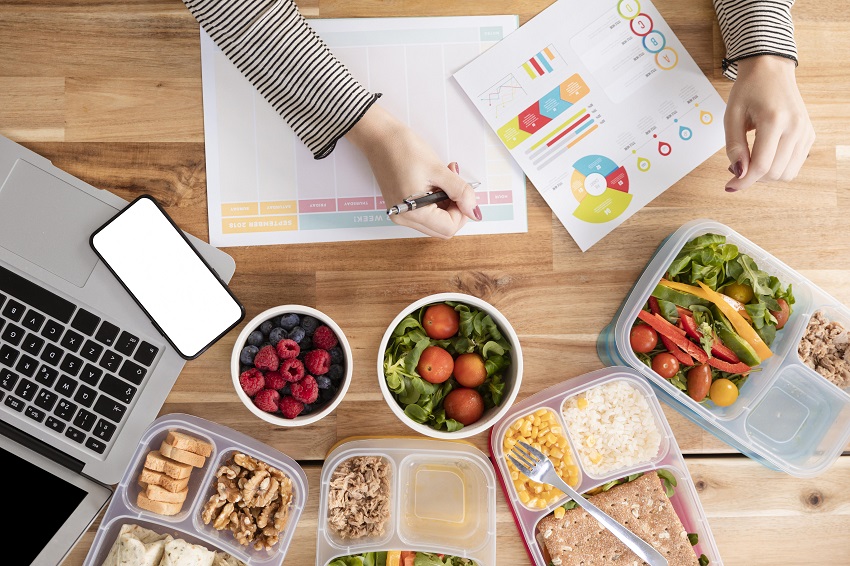
Food waste is a silent epidemic in modern kitchens. But here’s the truth we often ignore: that rotting lettuce in your crisper or that forgotten container of leftovers is literally cash rotting away. Food waste isn’t just an environmental problem—it’s a direct drain on your household budget.
The good news? This is a problem you have immense power to solve. By adopting a few strategic habits, you can transform your relationship with food, slash your grocery bill by hundreds (or even thousands) of dollars a year, and significantly reduce your environmental footprint.
This comprehensive guide is your one-stop resource. We’ll dive deep into actionable food waste hacks, from the moment you plan your meals to the creative ways you can use every last scrap. Get ready to save money, eat more deliciously, and feel great about your impact on the planet.
Why Reducing Food Waste is the Smartest Financial Move You’ll Make This Year
The Staggering Financial and Environmental Cost
Let’s talk numbers. The scale of food waste is not just a personal issue; it’s a global one with a direct line to your wallet.
- The Financial Drain: The average American family of four throws away an estimated $1,500 to $2,200 worth of food annually. That’s a potential vacation, a significant debt payment, or a hefty investment into your savings account, simply tossed in the trash. Medical News Today
- The Environmental Impact: When food decomposes in landfills, it produces methane, a greenhouse gas over 25 times more potent than carbon dioxide. Furthermore, wasting food means wasting all the resources that went into producing it—water, land, energy, and labor. Reducing waste is one of the most effective personal actions you can take for the climate.
- A Shift in Mindset: Campaigns like Love Food, Hate Waste have brilliantly highlighted that reducing waste isn’t a sacrifice; it’s a savvy financial strategy. It’s about getting the full value from the food you buy. Wikipedia
The Hidden Budget Leak You Can Easily Plug
Many of us drastically underestimate how much we lose to food spoilage, overbuying, and forgotten leftovers. This “hidden leak” is often the result of small, repeated habits:
- Impulse buys at the grocery store that don’t fit into your weekly meals.
- Poor storage leading to premature spoilage.
- Cooking oversized portions that inevitably get thrown out.
- Misunderstanding “best before” dates.
By bringing awareness to these habits and implementing the strategies in this guide, you can reclaim that wasted value, making your household more financially resilient and efficient.
Smart Shopping Hacks: Stop Waste Before It Enters Your Kitchen
The most effective way to reduce food waste starts at the store. A strategic shopping trip sets you up for a waste-free week.
Master the Art of Meal Planning
Planning is the absolute cornerstone of reducing food waste. A solid plan is your shield against impulse buys and random ingredients that languish in the back of your fridge.
- Take a Pre-Shop Inventory: Before you even think about your list, spend 5 minutes assessing your pantry, fridge, and freezer. What needs to be used up? What staples are you running low on?
- Build a Themed Meal Plan: To make planning easier, consider themes like “Meatless Monday,” “Taco Tuesday,” or “Leftover Buffet Thursday.” This provides a framework that simplifies decision-making.
- Plan for Flexibility: Life happens. Ensure your plan has 1-2 “flex” meals that can use up whatever leftovers or spare ingredients accumulate during the week.
Create a Foolproof Shopping List (And Stick To It!)
Your meal plan is useless without a disciplined list.
- Go Digital or Analog: Use a notes app on your phone that you can share with family members, or keep a classic notepad on the fridge. The key is consistency.
- Organize by Aisle: Structure your list according to your store’s layout (produce, dairy, pantry, etc.). This prevents backtracking and reduces exposure to tempting, unplanned purchases.
- Include Quantities: Don’t just write “carrots.” Write “3 carrots” or “1 bag of spinach.” This precision prevents overbuying perishables.
Resist the Siren Song of Bulk Buys and Sales
While buying in bulk can save money, it’s a false economy if the food spoils before you can use it.
- The Perishables Rule: Be extremely cautious about bulk-buying fresh meat, dairy, and produce unless you have a clear plan to use or preserve them (e.g., freezing).
- Create an “Eat First” Section: Designate a clear shelf in your fridge and pantry for items that are nearing their end. Make it a house rule to check this section first when cooking or snacking.
Embrace the “Ugly” and the Discounted
Perfect-looking produce is often prioritized, but misshapen fruits and vegetables are just as nutritious and delicious.
- Choose “Ugly” Produce: Many grocery chains now offer “imperfect” produce boxes at a significant discount. These are perfect for soups, stews, smoothies, and sauces where appearance doesn’t matter.
- Become a “Yellow-Sticker” Hunter: Supermarkets heavily discount items like meat, dairy, and baked goods that are nearing their sell-by date. This is a fantastic way to save money. The key is to either use these items immediately or freeze them the same day. The Scottish Sun
Storing Food Correctly: Make Your Groceries Last Longer
Proper storage can double or even triple the life of your fresh food, saving you countless trips to the store and money on replacements.
Implement the FIFO Method Like a Pro
FIFO stands for “First In, First Out.” It’s a simple but revolutionary practice.
- How it Works: When you unpack groceries, move older items to the front and place new items behind them. This ensures you use the oldest products first.
- Apply Everywhere: Use FIFO in your fridge, pantry, and even your freezer. Regularly rotate canned goods and condiments.
A Beginner’s Guide to Fruit and Vegetable Storage
Not all produce belongs in the fridge. Storing them correctly is a game-changer.
- Countertop Storage (Cool & Dry): Potatoes, onions, garlic, tomatoes, winter squash, and bananas.
- Refrigerator Storage (Crisper Drawers):
- High-Humidity Drawer (closed): For things that wilt, like leafy greens, herbs, broccoli, and carrots.
- Low-Humidity Drawer (open): For fruits that emit ethylene gas, like apples, avocados, and stone fruits.
- Ethylene Gas: The Ripening Culprit: Ethylene-producing items (bananas, avocados, tomatoes) can prematurely ripen and spoil ethylene-sensitive ones (leafy greens, carrots, berries). Keep them separate!
Advanced Storage Techniques for Maximum Freshness
- Treat Herbs Like Flowers: Trim the stems of fresh herbs like parsley and cilantro, place them in a jar with an inch of water, and loosely cover with a plastic bag. They’ll stay crisp for over a week.
- Keep Mushrooms in a Paper Bag: The paper absorbs excess moisture, preventing them from getting slimy.
- Wrap Celery in Foil: This allows the ethylene gas to escape, keeping it crisp for weeks.
Powerful Preservation Techniques: Lock in Freshness and Flavor
When you have a surplus, preservation is your best friend. These methods extend the life of your food, providing future meals and saving you money.
The Simple Magic of Freezing
Freezing is the easiest and most versatile preservation method.
- Blanch Your Veggies: For vegetables like broccoli, green beans, and carrots, blanching (a quick boil and ice bath) before freezing preserves their color, texture, and nutritional value.
- Portion and Freeze Meals: When you make a big batch of soup, chili, or stew, freeze it in individual portions for quick and easy “freezer meals” on busy nights.
- Freeze Herbs in Oil: Chop herbs like basil, rosemary, or cilantro, place them in an ice cube tray, cover with olive oil, and freeze. Pop out a cube whenever you need instant flavor for sautéing.
DIY Pickling and Fermenting
You don’t need fancy equipment to start pickling.
- Quick-Pickling in Minutes: Combine equal parts vinegar and water, add a pinch of salt and sugar, and bring to a boil. Pour this over vegetable scraps like onion ends, carrot peels, or cauliflower stems in a jar. Refrigerate, and you’ll have pickles in as little as an hour!
- Explore Fermentation: Fermenting vegetables like cabbage (for sauerkraut) or cucumbers (for pickles) not only preserves them but also creates gut-healthy probiotics.
Transform Scraps into Gold: Homemade Stock
Never throw away vegetable peels, onion skins, carrot tops, or chicken bones again.
- The Scrap Bag: Keep a gallon-sized freezer bag in your freezer. Throughout the week, add your clean vegetable scraps (avoid brassica like broccoli and cauliflower, as they can make the stock bitter).
- The Simple Process: Once the bag is full, dump the scraps into a large pot. Cover with water, add a bay leaf and some peppercorns, and simmer for 1-2 hours. Strain, and you have a rich, free, homemade stock that puts store-bought versions to shame. Bosch Home
Making the Most of Leftovers: Your Secret Weapon for Saving
Leftovers represent time, energy, and money already spent. Treating them as a valuable resource is key to a low-waste kitchen.
Strategically Plan for Leftovers
- Schedule “Leftover Nights”: Designate one or two nights a week as “buffet style” or “leftover night.” This clears out the fridge and gives you a night off from cooking.
- Cook Once, Eat Twice (or Thrice!): When you’re making dinner, intentionally cook extra. Grill an additional chicken breast to slice over a salad for lunch, or make a double batch of rice to use for fried rice later in the week.
Reinvent and Repurpose with Creativity
Leftovers don’t have to be boring. A little creativity can transform them into a brand-new meal.
- Stale Bread: Make croutons, breadcrumbs, bread pudding, or strata (a savory bread casserole).
- Wilted Veggies: Sauté them for a pasta sauce, blend them into a soup, or add them to a frittata or quiche.
- Leftover Rice: The perfect base for fried rice, rice pudding, or a addition to soups.
- Roasted Meat: Shred it for tacos, sandwiches, or a hearty salad topping.
Creative and Community-Based Hacks: Think Bigger Than Your Kitchen
Sometimes, the best solutions involve looking beyond your own four walls. Technology and community offer powerful tools to fight waste.
Leverage Food-Sharing Apps
- Olio: This app connects you with neighbors who have surplus food to give away—whether it’s extra garden produce, groceries they won’t use, or leftovers from an event. It’s often free. Wikipedia
- Too Good To Go: This brilliant app partners with restaurants, bakeries, and grocery stores to sell their surplus, unsold food at a massive discount in “surprise bags.” It’s a win for your wallet and a win for the planet. Wikipedia
Engage with Community Resources
- Community Fridges (“Freedges”): These are publicly accessible refrigerators where anyone can leave or take food. Participating reduces waste and supports food access in your neighborhood. Wikipedia
- Local Buy-Nothing Groups: Platforms like Facebook’s Buy Nothing groups are excellent for giving away unopened food you won’t use or receiving items from neighbors.
Behavioral Shifts That Meet Budget Goals: Change Your Mindset, Change Your Results
Long-term success in reducing food waste comes from a fundamental shift in how you view food.
Conduct a Food Waste Audit
For one week, keep a notepad on your counter or use a notes app to jot down everything you throw away and why. This data is gold. You’ll quickly identify patterns—e.g., “I always throw out half a bag of spinach” or “Yogurt consistently goes bad before I finish it.” Use these insights to adjust your shopping habits.
Adopt a “Use-It-Up” Mentality
Shift from asking “What do I want to cook?” to “What needs to be cooked?” This mindset encourages creative, resourceful cooking and ensures nothing gets forgotten. Websites and apps like SuperCook allow you to input ingredients you have and will generate recipes for you.
Decode Expiry Dates Like a Pro
“Best before,” “sell by,” and “use by” dates are often misunderstood, leading to perfectly good food being thrown away.
- Best Before: This is about quality, not safety. The food may not be at its peak freshness after this date, but it is most likely still safe to eat.
- Use By: This is the most important for safety, especially for highly perishable foods like meat and ready-to-eat meals. You should generally not consume products after this date.
- Trust Your Senses: Before tossing something, look, smell, and taste a small amount. If it looks, smells, and tastes normal, it’s likely perfectly fine to eat. Medical News Today
Essential Low-Waste Tools and Products
The right tools can make your waste-reduction journey effortless and more effective.
- High-Quality Glass Containers: They don’t stain, are easy to label, and allow you to see what’s inside, preventing food from being forgotten.
- Silicone Reusable Bags: A fantastic alternative to single-use plastic bags for storage and freezing.
- Beeswax Wraps: Perfect for covering bowls, wrapping cheese, or half-used produce.
- A Vacuum Sealer: For the serious food saver, this removes air to dramatically extend the freezer life of meats, fish, and other foods.
- A Simple Compost Bin: Even a small countertop bin makes collecting scraps easy. Composting is the final step in the cycle, turning inedible scraps into nutrient-rich soil.
Your 4-Week Action Plan to a Waste-Free Kitchen
Transforming habits takes time. This step-by-step plan breaks it down into manageable, weekly goals.
| Week | Focus | Key Actions |
|---|---|---|
| Week 1 | Audit & Foundation | 1. Conduct a 7-day food waste audit. 2. Take a full inventory of your pantry, fridge, and freezer. 3. Create your first detailed meal plan and strategic shopping list. |
| Week 2 | Storage & Organization Mastery | 1. Implement the FIFO method throughout your kitchen. 2. Reorganize your fridge crisper drawers for high and low humidity. 3. Start an “Eat First” section and a freezer scrap bag for stock. |
| Week 3 | Preservation & Repurposing | 1. Try one preservation method: freeze leftover herbs or quick-pickle some veggies. 2. Designate one “Leftover Night.” 3. Transform one item (e.g., stale bread into breadcrumbs). |
| Week 4 | Community & Mindset Integration | 1. Download a food-sharing app like Olio or Too Good To Go and use it once. 2. Research local community fridges or composting options. 3. Reflect on your journey: How has your mindset changed? What’s your biggest money-saving win? |
By following this plan, these new behaviors will become second nature, leading to lasting change and continuous savings.
Frequently Asked Questions (FAQs)
Q: How much money can you actually save by reducing food waste?
A: The savings are substantial. For an average household, reducing food waste can save anywhere from $500 to over $2,200 per year. The exact amount depends on your current waste levels, but the financial benefit is undeniable. American Heritage Credit Union
Q: Is it safe to eat food past its “best before” date?
A: Often, yes. “Best before” is a manufacturer’s estimate of peak quality, not a safety deadline. Rely on your senses—look, smell, and a small taste test are far more reliable indicators of a food’s safety.
Q: What preservation methods are easiest for beginners?
A: Freezing and quick-pickling are the perfect starting points. Freezing requires no special skills, and quick-pickling is a simple process with vinegar, water, and salt that yields delicious results in hours. Healthline
Q: Can food-sharing apps really help reduce my grocery bill?
A: Absolutely. Apps like Too Good To Go allow you to get high-quality surplus food from local businesses for a fraction of the retail price. Olio is a source of free food from your neighbors. Regularly using these apps can significantly supplement your groceries and cut costs.
Q: How do I start composting scraps if I live in a small apartment?
A: Apartment composting is easier than ever! Options include:
- Electric Countertop Composters: Devices like Lomi or Vitamix FoodCycler quickly break down scraps into odorless, dry mulch.
- Bokashi Bins: This Japanese method uses fermentation in a sealed bucket, is compact, and works for all food scraps, including meat and dairy.
- Community Composting: Many cities have drop-off locations where you can bring your food scraps.
Final Thoughts: Your Journey to Less Waste and More Money Starts Now
Reducing food waste is a journey of small, consistent steps that lead to profound results. It’s not about perfection; it’s about progress. Every apple you save from the bin, every leftover you creatively repurpose, and every scrap you compost is a victory for your budget and the planet.
You now have the ultimate toolkit—from smart shopping and storage to preservation and community apps. You don’t have to implement everything at once. Start with one hack from Week 1 of the action plan. Build momentum. Watch as your grocery bill shrinks, your creativity in the kitchen flourishes, and you gain the satisfaction of knowing you’re living more consciously and efficiently.
Start your waste-free journey today. Your wallet—and the planet—will thank you for it.