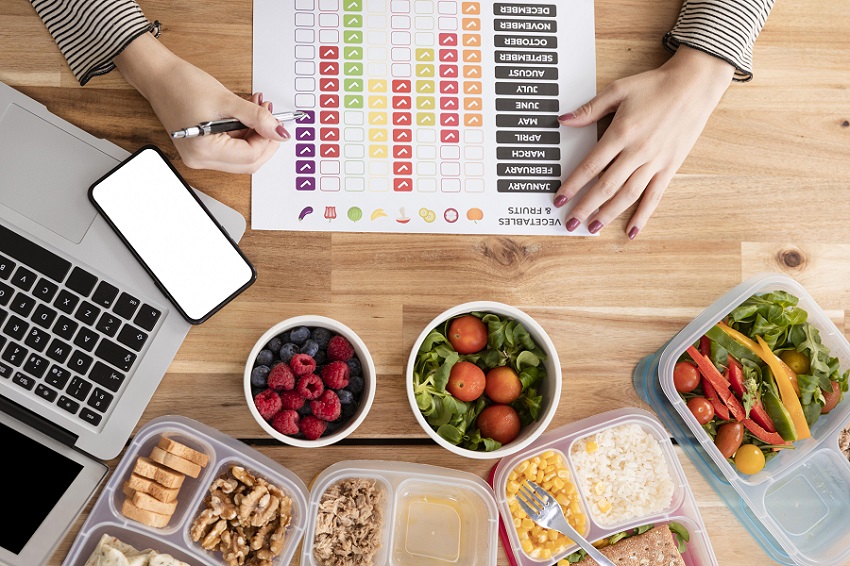
Monthly meal planning is one of the most effective ways to simplify life, cut grocery costs, and avoid the nightly “What should we cook?” struggle. Whether you’re feeding a family, cooking solo, or sticking to a budget, learning how to meal plan for a month can transform the way you shop, cook, and eat. This step-by-step guide will help you build a realistic 30-day plan that fits your lifestyle, budget, and schedule.
Why Monthly Meal Planning Works
Planning meals weekly is helpful, but a monthly meal plan eliminates decision fatigue, reduces food waste, and keeps your budget on track. By mapping out 30 days of meals, you gain a clear view of overlapping ingredients, favorite recipes, and unnecessary spending. It also ensures pantry staples get used and makes eating at home easier—helping you avoid last-minute takeout or grocery runs.
How to Start Your Monthly Meal Plan
1. Set Your Monthly Meal Goals
Before choosing recipes, define your goals. Are you trying to eat healthier, save money, reduce waste, or simply reduce stress? A clear intention guides your planning. For example, if saving money is your priority, focus on budget-friendly meals like pasta, casseroles, and rice bowls.
2. Check Your Schedule for Busy Days
A realistic meal plan starts with your calendar. Mark busy evenings, events, or days you won’t want to cook. Fill those with slow-cooker meals, freezer meals, or leftovers. Save new or time-consuming recipes for days with more free time.
3. Build a List of Your Favorite Meals
Create a master list of go-to meals everyone enjoys—include breakfast, lunch, dinner, and snacks. This makes planning easier and adds consistency to your month.
4. Choose Monthly Meal Themes
Simplify planning with daily themes like “Meatless Monday,” “Taco Tuesday,” or “Slow Cooker Friday.” Themes create structure, limit choices, and make it easy to repeat meals in different variations.
5. Inventory Your Pantry, Freezer, and Fridge
Before writing your plan, check what you already have. Use proteins from the freezer, canned goods from the pantry, and produce from the fridge to build meals and avoid buying duplicates.
Building Your 30-Day Meal Plan
6. Start with Dinners, Then Fill in Lunch and Breakfast
Dinner is often the most time-consuming meal, so plan those first. Use leftovers for lunches, and keep breakfast simple with repeatable options like oatmeal, eggs, or smoothies.
7. Create a Balanced Mix of Recipes
Include a variety of proteins, vegetables, grains, and flavors. Rotate quick meals, slow-cooker dishes, and freezer-friendly options to keep things interesting and budget-friendly.
8. Repeat Meals Strategically
You don’t need 30 unique dinners. Pick 8–12 core meals and rotate them throughout the month. Repetition saves money (buy in bulk) and reduces stress.
9. Plan for Leftovers and Batch Cooking
Include 2–3 batch-friendly meals each week, like soups, stews, or casseroles. These create built-in leftover days that save time and money.
10. Leave Flexibility in Your Plan
Life happens—unexpected events, cravings, or schedule changes happen. Leave 2–3 “open” days each month for leftovers, spontaneous meals, or trying something new.
Your Monthly Meal Planning Workflow
11. Write Out Your Meal Plan on a Calendar
Place your meals on a physical or digital calendar. Use apps like Google Calendar, Notion, or a printable planner. A visual plan keeps you accountable and balanced.
12. Build Your Master Grocery List
List every ingredient needed for the month, organized by category: produce, protein, pantry, dairy, and frozen items. Shop for perishables weekly and long-lasting items once.
13. Break Down Ingredients into Weekly Purchases
Buy fresh fruits, vegetables, and bread weekly. Purchase frozen, canned, and packaged items at the start of the month to avoid spoilage and stay organized.
14. Prep Ingredients in Bulk
Wash and chop vegetables, portion proteins, and cook grains ahead of time. Prepping ingredients saves time on busy nights and reduces takeout temptation.
15. Use Your Freezer Wisely
Freeze extra portions, cooked proteins, sauces, and casseroles. A stocked freezer provides backup meals for busy or unexpected days.
Monthly Meal Planning on a Budget
16. Choose Budget-Friendly Base Ingredients
Build meals around affordable staples like rice, beans, pasta, potatoes, and oats. Pair with seasonal vegetables and affordable proteins for nutritious, low-cost meals.
17. Shop Seasonal Produce
Seasonal produce is cheaper, fresher, and more flavorful. Plan meals around in-season fruits and vegetables to reduce costs and improve taste.
18. Buy in Bulk Where It Makes Sense
Buy bulk items you use often—rice, pasta, canned goods, frozen vegetables—but avoid large quantities of perishables unless you’ll use or freeze them immediately.
19. Use Coupons, Store Apps, and Sales
Combine your meal plan with store loyalty apps, digital coupons, and sales flyers. Plan meals around discounted ingredients to dramatically cut monthly costs.
Meal Prep Tips for Monthly Meal Planning
20. Prep One Protein for Multiple Meals
Cook a large batch of versatile proteins like chicken, ground beef, or tofu. Use it in tacos, salads, wraps, or pasta dishes throughout the week.
21. Create Freezer Packs for Slow Cooker Meals
Assemble slow-cooker ingredients in labeled freezer bags. On busy days, dump the contents into the slow cooker for an easy, hands-off meal.
22. Portion Snacks Ahead of Time
Pre-pack snacks like nuts, fruit, hummus, or popcorn to prevent overeating and save time on lunches.
23. Make Double Batch Dinners
When cooking freezer-friendly meals, make double. Eat one portion and freeze the other for a future busy day.
Keeping Your Meal Plan Organized
24. Keep Your Recipes in One Place
Store recipes in a binder, app, or bookmark folder for easy access. This saves time and makes swapping meals simple.
25. Track What Works and What Doesn’t
At the end of each month, review which meals were hits, which created too many leftovers, and what felt tiring. Adjust your plan accordingly.
26. Stay Flexible and Adapt
No one follows a plan 100%. Adjust based on cravings, schedule changes, or weather. Flexibility makes monthly meal planning sustainable.
Frequently Asked Questions
How do you meal plan for an entire month?
Start by checking your schedule, choosing 8–12 core meals, rotating them weekly, and filling in with leftovers and flexible days. Create a master grocery list and shop weekly.
Is monthly meal planning worth it?
Yes. It saves money, reduces food waste, eliminates daily decision fatigue, and helps you cook more consistently at home.
How much money can you save by meal planning?
Most families save 20–40% on groceries by reducing takeout, minimizing impulse buys, and planning meals ahead.
How do you stick to a monthly meal plan?
Make meals realistic, repeat favorites, build in flexibility, prep ingredients ahead, and keep freezer meals on hand.
What meals are best for monthly planning?
Casseroles, soups, slow-cooker meals, pasta dishes, sheet pan dinners, rice bowls, tacos, and freezer-friendly options.
How do you avoid getting bored with the same meals?
Rotate themes, use core ingredients in different ways, experiment with sauces and seasonings, and try one new recipe each week.
With this guide, you’re ready to create a monthly meal plan that saves time, money, and stress—all while helping you eat smarter and more consistently. Start planning today and enjoy a full month of stress-free eating!