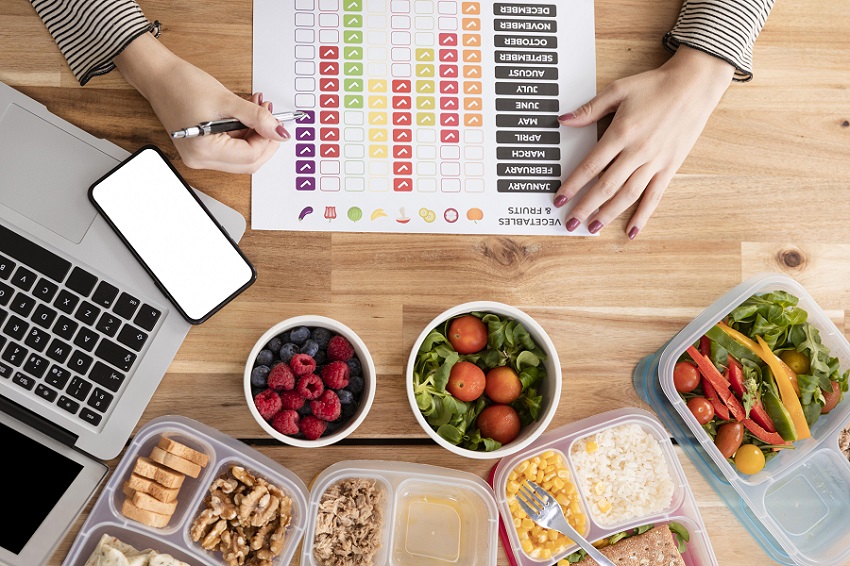
Creating a weekly meal plan for $50 might seem impossible with today’s grocery prices, but it’s an achievable goal with the right strategy. The secret lies in choosing nutrient-dense, low-cost foods and learning how to stretch them across multiple meals. This complete guide provides a practical, filling, and flexible $50 meal plan designed to save you money, reduce food waste, and eliminate the daily stress of figuring out what to cook.
We’ll break down everything into simple steps so you can shop smarter, cook faster, and stay satisfied without blowing your budget. Whether you’re feeding yourself or a small family, this guide offers affordable options that anyone can follow.
The Core Principles of a $50 Weekly Meal Plan
A successful budget meal plan rests on a few key pillars: prioritizing versatile ingredients, buying in bulk, planning ahead, and cooking meals that generate leftovers. When these elements work together, you can easily stay within your grocery budget while enjoying delicious, satisfying meals every single day.
Smart Ingredient Selection for Budget Meals
The foundation of any effective weekly meal plan for $50 is choosing the right ingredients. Staples like rice, pasta, beans, frozen vegetables, potatoes, and eggs offer incredible value and endless meal possibilities. By using ingredients that can be repurposed in multiple ways, your groceries naturally last longer.
Seasonal produce and store-brand items are also crucial for cutting costs. Opting for multipurpose items over specialty ingredients that work for just one recipe keeps your meals affordable and practical. This smart selection process minimizes waste and maximizes flexibility.
The Power of Bulk Buying
Buying in bulk isn’t just for large families—it’s a game-changer for anyone on a tight budget. Staples like oats, rice, lentils, pasta, and canned goods are almost always cheaper per unit when purchased in larger quantities. These items have a long shelf life, provide a reliable foundation for meals, and reduce the number of trips you need to make to the store.
Even on a $50 weekly grocery budget, investing in larger bags of staples can lead to significant long-term savings. A single bulk purchase of rice or oats can last for weeks, drastically reducing your overall food costs.
Creative Meal Stretching Techniques
Meal stretching is the secret weapon for maintaining a weekly meal plan for $50. This involves batch cooking, repurposing leftovers, and making flexible recipes that adapt to what you have on hand. Instead of cooking entirely new dishes daily, you build meals around a core set of shared ingredients.
For example, a large batch of rice cooked on Monday can be used for lunches, dinners, and even breakfasts throughout the week. Similarly, a tray of roasted vegetables can be added to bowls, wraps, omelets, or pasta. This approach saves time, reduces waste, and ensures you get the most value from every item in your pantry.
Your $50 Grocery List (Breakdown + Estimated Prices)
Here is a sample shopping list with approximate costs. While prices vary by location, this list is designed to stay close to the $50 range in most discount grocery stores.
Proteins
- Eggs (1 dozen) — $2.00
- Chicken thighs (2–3 lbs) — $6.00
- Peanut butter (16 oz) — $2.00
Carbohydrates & Grains
- Rice (5 lb bag) — $3.00
- Pasta (2 boxes) — $2.00
- Oats (1 large container) — $2.00
- Tortillas — $2.00
Vegetables & Produce
- Onions (3 lbs) — $2.00
- Potatoes (5 lbs) — $3.00
- Carrots (2 lbs) — $1.50
- Frozen mixed vegetables (2 bags) — $4.00
- Bananas (one bunch) — $1.50
Canned & Pantry Items
- Canned tomatoes (2 cans) — $2.00
- Canned beans (2 cans) — $2.00
- Tomato sauce — $1.00
- Broth cubes/powder — $1.00
Breakfast & Snacks
- Bread — $1.50
- Yogurt (large tub) — $2.50
Flavor Essentials
- Garlic — $1.00
- Spices (salt, pepper, chili powder, paprika) — $3.00
- Oil — $3.00
Total Estimated Cost: ~$50–$52
This list supports all the recipes in the following weekly meal plan and allows for swaps based on sales or your personal preferences.
Your 7-Day Weekly Meal Plan for $50
This practical, filling plan uses inexpensive, versatile ingredients. Each day features breakfast, lunch, and dinner with simple recipes designed to minimize prep time and reduce waste.
Day 1: A Solid Start
- Breakfast: Banana Oatmeal
Cook oats with water and top with sliced banana and a spoonful of peanut butter. This balanced meal provides carbs, healthy fats, and natural sweetness to fuel your day. - Lunch: Rice & Beans Bowl
Mix a large batch of cooked rice with a can of beans seasoned with garlic, salt, and chili powder. It’s a simple, protein-packed lunch that keeps you energized. - Dinner: Chicken & Veggie Stir-Fry
Sauté chicken thighs with frozen vegetables and onions. Serve over rice for a hearty, flavorful dinner that provides plenty of leftovers.
Day 2: Leveraging Leftovers
- Breakfast: Peanut Butter Toast + Banana
A quick, affordable breakfast packed with protein. Adding half a banana adds flavor and nutrients. - Lunch: Leftover Stir-Fry
Reusing last night’s dinner is a cornerstone of budget-friendly eating. The flavors often improve overnight. - Dinner: Pasta with Tomato Sauce & Veggies
Cook pasta and mix it with canned tomatoes, sauce, garlic, and sautéed onions. Add frozen vegetables for a nutritious, customizable, and family-friendly meal.
Day 3: Hearty and Wholesome
- Breakfast: Yogurt with Oats
Mix a few spoonfuls of dry oats into yogurt for a no-cook, balanced breakfast full of fiber and protein. - Lunch: Potato & Carrot Soup
Simmer diced potatoes, carrots, and broth with garlic and spices until tender. This creamy, hearty soup is incredibly inexpensive and comforting. - Dinner: Chicken & Rice Bake
Layer chicken thighs over seasoned rice and bake for a simple one-pan dinner. Add vegetables for a complete meal that’s easy to clean up and provides great leftovers.
Day 4: Creative Reinventions
- Breakfast: Banana Oat Pancakes
Blend a banana, oats, water, and an egg to create a healthy, budget-friendly pancake batter. Cook on a skillet until golden. - Lunch: Chicken Wraps
Use leftover chicken, add fresh or frozen veggies, and wrap it all in a tortilla for a quick and portable lunch. - Dinner: Vegetable Fried Rice
Transform leftover rice into a new meal by stir-frying it with mixed vegetables, onions, and an egg. It’s a classic budget meal that never disappoints.
Day 5: Simple and Satisfying
- Breakfast: Toast with Peanut Butter
A reliable, no-fuss breakfast that provides healthy fats and protein to keep you full all morning. - Lunch: Leftover Soup
Enjoy the rest of your potato and carrot soup. Soups store beautifully and are a perfect way to use ingredients. - Dinner: One-Pot Pasta
Combine pasta, canned tomatoes, vegetables, and seasonings in one pot and simmer. This dish saves time on cooking and cleaning, making weeknight dinners a breeze.
Day 6: Winding Down the Week
- Breakfast: Yogurt & Banana
A light, fresh, and quick breakfast that provides protein and natural energy. - Lunch: Bean & Veggie Quesadilla
Spread beans and mixed vegetables on a tortilla, toast until warm, and enjoy a simple, flavor-packed lunch. - Dinner: Chicken Stew
Simmer chicken thighs, potatoes, carrots, onions, and broth with spices for a hearty, comforting stew that makes multiple servings.
Day 7: Finishing Strong
- Breakfast: Oatmeal with Peanut Butter
Return to the reliable, affordable breakfast that provides long-lasting energy. - Lunch: Leftover Stew
Reheating the stew ensures no waste and gives you a lunch that often tastes even better the next day. - Dinner: Pasta Bake
Mix cooked pasta with tomato sauce, vegetables, and seasonings, then bake until bubbly. This final dinner uses pantry staples to create a filling meal without exceeding your $50 weekly meal plan.
Pro Tips to Maximize Your $50 Food Budget
- Choose Store Brands: Store brands offer comparable quality to name brands at a significantly lower cost. Swapping just a few items can save you dollars every trip.
- Shop Weekly Sales: Plan your meals around what’s on sale. Check store flyers and digital coupons before you shop to effortlessly stretch your food budget.
- Cook in Bulk: Batch cooking staples like rice, soups, and stews saves both time and money. Having pre-prepared components makes throwing together an affordable meal quick and easy.
- Freeze Leftovers: Avoid waste and create a “freezer meal fund” for busy days. This prevents the temptation of expensive takeout and stretches your ingredients further.
- Avoid Pre-Cut Items: Buy whole produce. A few extra minutes of chopping can save you several dollars each week compared to pre-cut versions.
Frequently Asked Questions (FAQ)
1. Can you really eat for $50 per week?
Yes, it’s entirely possible by using affordable ingredients, versatile staples, and cooking meals that generate leftovers, just like in this weekly meal plan for $50.
2. What are the cheapest foods for meal prepping?
Rice, pasta, beans, oats, potatoes, eggs, and frozen vegetables are the most cost-effective choices. They are filling, nutritious, and incredibly versatile for budget meal prep.
3. Is meal planning actually cheaper?
Absolutely. Meal planning helps you avoid impulse buys, reduces food waste, and relies on bulk ingredients, all of which significantly lower your grocery spending.
4. Can this plan work for families?
Yes, but you will need to scale up the ingredient quantities. The core principles—stretching ingredients, reusing leftovers, and using affordable staples—remain the same.
5. How can I make budget meals taste better?
Seasoning is key. Inexpensive spices like garlic powder, paprika, and chili powder can transform simple dishes into flavorful feasts without increasing your budget.
6. Can I customize this $50 meal plan?
Definitely! Feel free to swap ingredients based on allergies, dietary preferences, or what’s on sale at your local store. The plan is designed to be flexible.
Ready for more? Explore our other guides on [easy batch cooking recipes] and [how to reduce food waste] to become a master of your kitchen budget!