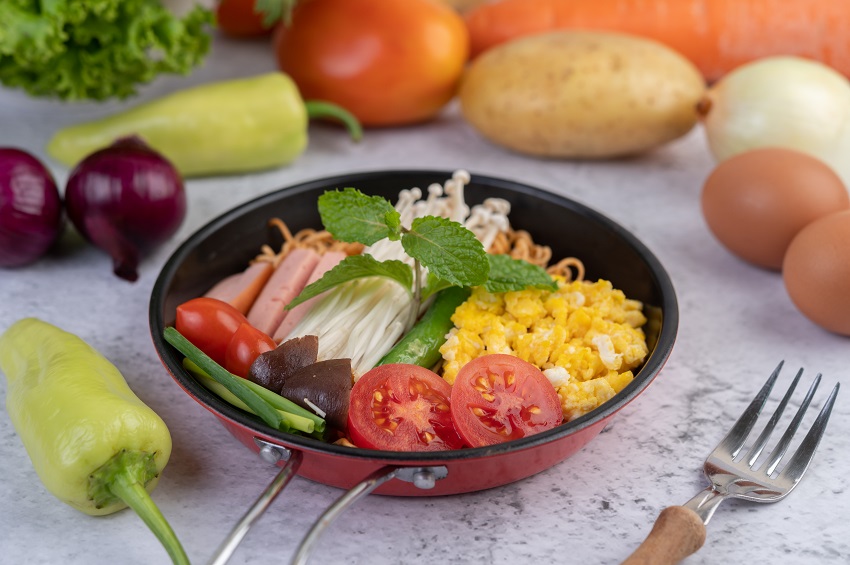
Meal planning is a game-changer for your health, wallet, and sanity—but only if you do it right. Common pitfalls can lead to food waste, burnout, and falling back on unhealthy takeout. This complete guide walks you through the top meal planning mistakes and how to build a strategy that is realistic, sustainable, and effective for your lifestyle.
Why Effective Meal Planning Matters
Meal planning is more than just deciding what’s for dinner. It’s a powerful tool that helps you:
- Stay consistent with your healthy eating goals.
- Save money by drastically reducing food waste.
- Eliminate daily decision fatigue.
- Support long-term goals, from weight management to better nutrition.
But many people struggle. Let’s explore where they go wrong and how you can get it right.
Top 10 Meal Planning Mistakes and How to Fix Them
1. Not Taking Inventory Before Shopping
The Mistake: Heading to the grocery store without checking your fridge, pantry, and freezer first. This leads to buying duplicates and forgetting what you already have. sidechef.com
The Fix: Always do a quick inventory before writing your list. Plan meals around items that need to be used up soon to reduce food waste.
2. Overly Ambitious or Complex Recipes
The Mistake: Filling your plan with time-consuming, ingredient-heavy recipes that are unrealistic for a busy weeknight.
The Fix: Save elaborate meals for the weekend. For weekdays, stick to simple, quick recipes like one-pot meals, sheet pan dinners, or minimal-ingredient dishes. peermeal.com
3. Ignoring Your Actual Schedule
The Mistake: Planning to cook every single night as if you won’t have dinners out, late workdays, or social plans.
The Fix: Sync your meal plan with your calendar. Only prep for the days you’ll actually eat at home, and intentionally make extra for leftovers.
4. Not Planning for Snacks
The Mistake: Focusing solely on breakfast, lunch, and dinner, while forgetting the snacks in between.
The Fix: Include 2-3 healthy snack options in your plan, like fruits, nuts, yogurt, or chopped veggies. This prevents impulsive, unhealthy purchases.
5. Lack of Variety and Balance
The Mistake: Eating the same chicken, broccoli, and rice every week, leading to taste bud boredom and potential nutrient gaps.
The Fix: Rotate your proteins, try different cuisines, and incorporate seasonal produce. Use a core list of favorites but add one new recipe each week to keep things fresh.
6. Unrealistic Expectations & Overpreparation
The Mistake: Thinking you need to cook 21 perfect meals every Sunday. This is a fast track to burnout. Beehive Meals
The Fix: Start small. Plan and prep just 2-3 meals for the upcoming week. As the habit sticks, you can gradually increase.
7. Ignoring Storage and Reheating
The Mistake: Prepping meals without considering how they will reheat, leading to soggy or unappetizing food.
The Fix: Invest in quality, microwave- and freezer-safe containers. Store sauces and dressings separately to maintain texture.
8. Not Labeling or Rotating Leftovers
The Mistake: Tucking unlabeled containers into the freezer, only to find a mystery meal months later.
The Fix: Label everything with the contents and date. Practice the “first in, first out” rule to ensure nothing gets forgotten and wasted.
9. Forgetting “Emergency” Meals
The Mistake: Having no backup plan for when your schedule falls apart.
The Fix: Always keep ingredients for a few no-fuss “emergency meals” on hand, like pasta with jarred sauce, stir-fries, or canned soup.
10. Shopping Without an Organized List
The Mistake: Going to the store hungry or with a disorganized list, leading to impulse buys and forgotten ingredients.
The Fix: Plan your menu, build a detailed list organized by store layout, and—most importantly—stick to it. portal.peopleonehealth.com
Mastering Portion Control and Nutritional Balance
To truly avoid meal planning mistakes, you must get portions and nutrition right.
Avoiding Portion Size Pitfalls
- Oversized Servings: It’s easy to prep too much, leading to overeating. Use measuring cups or a kitchen scale at first to learn correct portions.
- Miscalculating Needs: Underestimating how much your household eats can leave you short. Plan based on real appetites and always factor in leftovers.
Balancing Macro- and Micronutrients
Don’t just focus on calories. Ensure your weekly plan includes a healthy mix of:
- Macronutrients: Proteins, carbohydrates, and fats at every meal.
- Micronutrients: A colorful variety of vegetables, fruits, and whole grains.
A simple, flexible framework used by many on Reddit is: “Protein + Carb + Fresh Element = Complete Meal.” Reddit This makes building balanced plates easy.
Building a Sustainable Meal Planning Strategy
How do you make meal planning a lasting habit, not a fleeting New Year’s resolution?
Start Small & Build Consistency
Begin by planning just 2-3 dinners for the week. This prevents overwhelm and helps you build the habit without burnout.
Use Themes or Formulas
Reduce decision fatigue with theme nights like “Meatless Monday” or “Stir-Fry Friday.” Using the protein + carb + veggie formula provides structure while allowing for endless variety.
Schedule Your Planning Time
Set a recurring weekly “appointment” to plan your meals. Give yourself enough time to review recipes, check your inventory, and build your shopping list without rushing.
Leverage Technology and Tools
Use meal planning apps, spreadsheets, or printable templates to stay organized. Set phone reminders for defrosting frozen meals to avoid last-minute scrambles.
Build Flexibility, Not Rigidity
Life is unpredictable. A successful plan has “wiggle room” for leftovers, takeout, and social dinners. A rigid plan is a plan that fails. sidechef.com
Preventing Food Waste Through Smart Planning
A key benefit of meal planning is reducing waste, but mistakes can undo that.
Proper Storage & Labeling is Key
Use airtight, freezer-safe containers and always label with contents and dates. Maintain a “use first” section in your fridge for items that need to be eaten soon.
Plan for Leftovers & Repurposing
Intentionally cook larger portions to have meals for lunch or dinner later in the week. Get creative—turn last night’s roasted chicken into today’s chicken salad or soup.
Align Your Plan with Real Consumption
Be brutally honest with yourself. Don’t batch-cook seven servings of a meal you only kind of like. Plan based on what you will eat, not what you should eat.
Time-Saving Tips for Effective Meal Prep
Meal planning should save you time, not consume your entire Sunday.
Break Up Prep into Sessions
Avoid marathon prep sessions that lead to burnout. Chop veggies on Saturday, cook proteins on Sunday, and assemble meals just before you need them.
Use Simple, Repeatable Formulas
You don’t need a new recipe every week. Rely on your favorite base meals and use the protein + carb + veggie formula to mix and match ingredients for easy variety.
Organize Grocery Shopping Smartly
Structure your shopping list by the store’s layout (produce, dairy, etc.) to get in and out faster. Don’t shop when you’re hungry!
Overcoming Psychological Barriers
Your mindset is just as important as your menu.
Avoid Perfectionism
Forget about Instagram-worthy, color-coded meal prep. Focus on simple, functional planning that works for you. Consistency beats perfection every time.
Build Habits, Not One-Off Systems
Treat meal planning as a non-negotiable weekly routine, like doing laundry. The goal is to make it a seamless part of your life.
Involve Your Household
If you cook for others, get their input on meals! This improves buy-in and ensures the food you prep actually gets eaten.
FAQs: Your Meal Planning Questions Answered
Q1: Is meal planning only for weight loss?
No! While great for weight management, meal planning benefits anyone looking to save money, reduce stress, and eat healthier.
Q2: How much time should it take?
Aim for 30-60 minutes per week for planning and list-making. It gets faster as you establish a routine.
Q3: What if I hate eating the same thing?
Use formulas and theme nights to ensure variety. You don’t have to eat the same meal every day.
Q4: How can I reduce food waste?
Take inventory first, plan for leftovers, use proper storage, and only cook what you’ll realistically eat.
Q5: What are the best containers for meal prep?
Airtight, freezer- and microwave-safe containers are best. Label them clearly with contents and dates.
Q6: How do I remember to defrost meals?
Set a reminder on your phone 1-2 days before you plan to eat a frozen meal.
Q7: Do I need a special app?
Not necessarily. A notepad or simple spreadsheet works perfectly. Use whatever tool you’ll stick with.
Conclusion
Meal planning is a powerful habit, but it’s not foolproof. By avoiding these common mistakes, you can create a flexible, sustainable system that respects your schedule, reduces waste, and keeps you nourished. Ditch the all-or-nothing mindset, start small, and embrace flexibility. With these strategies, you can make successful meal planning a seamless part of your life, saving you time, money, and stress.