Batch cooking is a powerful technique that helps you cook smarter, not harder—especially if you’re new to it. By preparing large quantities of meals or meal components in one go, you can free up evenings, reduce food waste, and maintain healthier eating habits without daily stress. In this comprehensive guide, we’ll walk you through everything you need to know to get started with batch cooking, including planning, techniques, storage, and common mistakes — all designed to help you save time, money, and energy while eating well all week long.
What Is Batch Cooking?
Defining Batch Cooking
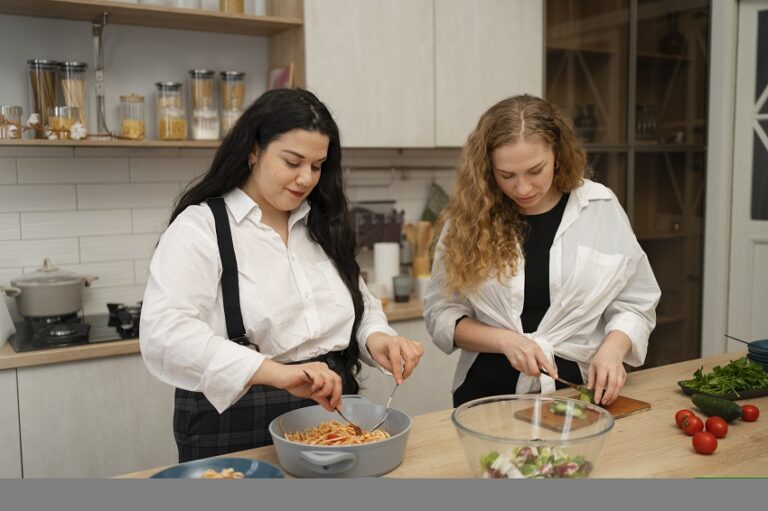
Batch cooking means cooking large quantities of food in one session and storing it in portions for later use.
Unlike just making extra for dinner, batch cooking often means doubling or tripling a recipe so that you have fully prepared meals or components ready to eat through the week.
Why People Do Batch Cooking
- Time-saving: One cooking session saves you time on daily meal prep.
- Cost-effective: Buying in bulk and cooking in larger quantities reduces grocery costs.
- Waste reduction: When you plan and cook ahead, you’re less likely to let food spoil.
- Less stress: Having meals ready means no scrambling every night.
- Healthier eating: You control ingredients, portion sizes, and nutrition.
Why Batch Cooking Works for Beginners
For beginners, batch cooking is especially helpful because it builds structure into your meal routine while minimizing overwhelm. Here’s why:
- Simplicity through repetition: You cook the same ingredients in one sitting, reducing the decision fatigue of what to make every day.
- Improved planning habits: You’ll naturally start planning meals and shopping lists in advance.
- Flexible variety: Batch cooking doesn’t mean eating the same exact thing each day — you can prep versatile components (proteins, grains, veggies) and mix them in different ways.
- Scalable skill: As you get more comfortable, you can batch cook more efficiently, try more complex recipes, or even cook for multiple people.
Getting Started: A Step-by-Step Approach
1. Plan Your First Batch Cooking Session
- Pick a day: Choose a day when you have a few hours free (often weekends).
- Decide on meals: Start with 2–3 meals or components (e.g., a protein, a vegetable dish, a grain) rather than trying to cook the entire week’s dinners the first time.
- Make a shopping list: Write down ingredients based on the recipes you’ve chosen.
2. Choose Beginner-Friendly Recipes
Look for recipes that:
- Reheat well (soups, stews, casseroles)
- Use simple techniques and few ingredients
- Can be portioned into multiple containers easily
3. Prep Ingredients Strategically
- Wash, chop, and measure all your vegetables and proteins before cooking.
- Cook base ingredients like grains (rice, quinoa) or beans separately, so you can combine them later in various ways.
- Use an assembly-line method: while one thing simmers, chop another, and bake something else simultaneously.
4. Cook Efficiently
By cooking multiple items together, you make efficient use of your stove, oven, and energy.
Group similar cooking methods — e.g., roast all veggies in one tray, cook all grains in a single pot.
Safe Storage & Reheating Tips
Storage Best Practices
- Cool food before refrigerating or freezing to maintain food safety.
- Use freezer-safe, airtight containers or zip bags.
- Portion meals individually so you don’t defrost more than needed.
- Label each container with contents and date.
Freezing & Thawing
- Divide food into small or medium portions for quick freezing.
- When thawing, move meals from freezer to fridge the night before, or use a cold-water bath to defrost safely.
Reheating
- Soups and stews: gently reheat on the stove, stirring periodically.
- For microwave reheating, use microwave-safe containers, stir often, and ensure even heating.
Planning for Variety & Nutrition
Batch cooking doesn’t mean boredom. Here’s how to keep meals varied and balanced:
Mix Components, Not Full Meals
Rather than cooking five identical meals, cook flexible components:
- Proteins (like grilled chicken or beans)
- Grains (rice, quinoa)
- Roasted or steamed vegetables
- Sauces or dressings separately
Then mix and match these throughout the week to create different bowls, wraps, or salads.
Rotate Flavors
Use different herbs, spices, or sauces to change the flavor profile of similar ingredients. A batch of roasted vegetables can feel different if seasoned for curry one day and Mediterranean another.
Don’t Neglect Freshness
Add fresh elements at serving time: a handful of salad greens, chopped herbs, or a freshly made side can elevate a reheated meal.
Common Mistakes Beginners Make & How to Avoid Them
Over-Batching Too Soon
Cooking too many meals at once can lead to overwhelm, wasted food, or freezer clutter. Start small and gradually scale up.
Not Cooling Properly
Putting very hot food straight into the freezer causes condensation, which can degrade quality and safety. Let food cool down first, and divide into smaller containers.
Wrong Containers
Using containers that aren’t freezer-safe or aren’t airtight can cause freezer burn or leaks. Invest in good-quality containers.
No Labeling
Without labels, you might forget what you cooked and when. This can lead to food going bad or being forgotten.
Ignoring Portion Control
Make sure you’re portioning meals tightly. If you store everything in huge containers, it’s easy to defrost more than you need or eat more than planned.
How Often Should Beginners Batch Cook?
The frequency of batch cooking depends on your lifestyle, goals, and storage capacity.
Here are common schedules:
- Once a week: Many beginners pick one day (like Sunday) to batch cook for the week.
- Multiple times per week: If doing a weekly session feels overwhelming, you could batch cook 2–3 times a week.
- Monthly: Some experienced batch cooks prepare meals that can be frozen and used over a month or more.
Consider your freezer space, the types of meals, and how much time you realistically have.
Tips for Making Batch Cooking Work for You
- Invest in good containers: Stackable, airtight containers (glass or BPA-free plastic) make a big difference.
- Use smart tools: A large pot, a baking sheet, a good knife, and a reliable cutting board make batch cooking easier.
- Keep a “freezer inventory”: Maintain a list of what’s in your freezer so you don’t forget and end up making duplicates or letting food go bad.
- Create a rotation system: Use older meals first to make space and keep things fresh.
- Refine over time: After a few sessions, you’ll find what works best for your taste, portions, and schedule.
Sample Beginner Batch Cooking Session
Here’s a simple example of what you might cook in your first-ever batch cooking day:
- Protein: Grill or roast chicken breasts (double portion)
- Grain: Cook a big pot of brown rice or quinoa
- Vegetables: Roast a mix of carrots, broccoli, and bell peppers
- Sauce: Make a tomato-based sauce or vinaigrette to go with everything
Portioning plan:
- 4 containers: Chicken + rice + roasted veggies + sauce
- 2 containers: Extra rice + sauce (for a veggie bowl or wrap later)
Store all in labeled containers, then refrigerate what you’ll eat in the next few days and freeze the rest.
Frequently Asked Questions (FAQs)
Q1: How long can I store batch-cooked meals?
Most dishes will last 3–4 days in the fridge, and up to 2–3 months in the freezer, depending on the recipe and how well they’re stored.
Q2: What are the best foods to batch cook?
Soups, stews, casseroles, curries, and grains like rice or quinoa are ideal. You can also batch cook components like beans, roasted vegetables, and sauces.
Q3: Is batch cooking the same as meal prep?
Not exactly. Meal prep often refers to preparing components for short-term use (e.g., 3–5 days), while batch cooking usually involves cooking large quantities for longer-term storage.
Q4: How do I make sure my batch-cooked meals stay safe?
- Cool food before freezing.
- Use airtight, freezer-safe containers.
- Label containers with dates and contents.
- Thaw food in the fridge or in cold water (not at room temperature).
Q5: How can I avoid getting bored with my batch-cooked meals?
- Cook flexible components (protein, grains, veggies) instead of full, fixed meals.
- Use different spices, herbs, and sauces to change the flavor.
- Add fresh elements when serving, like salad greens or a drizzle of fresh dressing.
Final Thoughts
Batch cooking for beginners may feel like a big commitment at first, but it’s one of the most effective ways to reclaim your time, reduce daily stress, and eat more healthily. The key is to start small, plan smart, and choose storage methods that work for you. Over time, you’ll build a rhythm that aligns with your life — saving money, effort, and energy.
If you try batch cooking for just a few hours this weekend, chances are you’ll wonder why you waited so long to begin. Once it’s part of your routine, future you will definitely thank you.