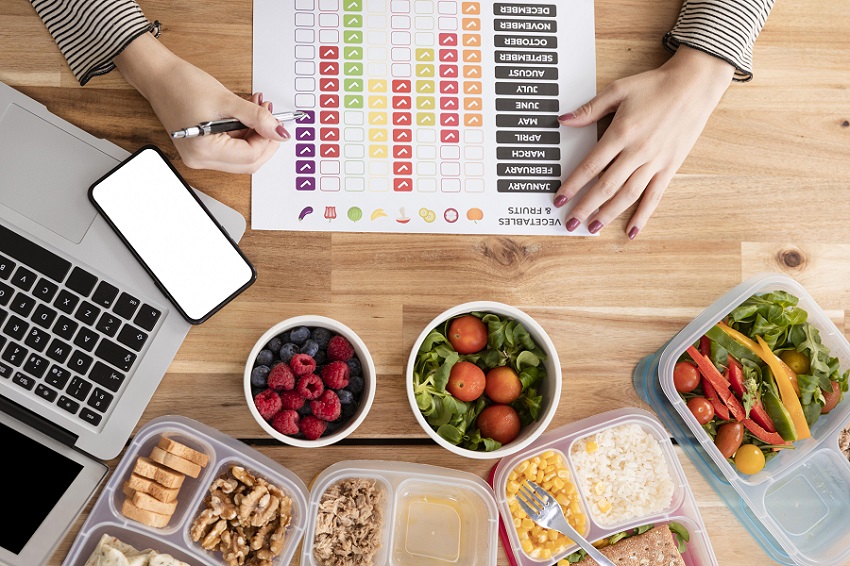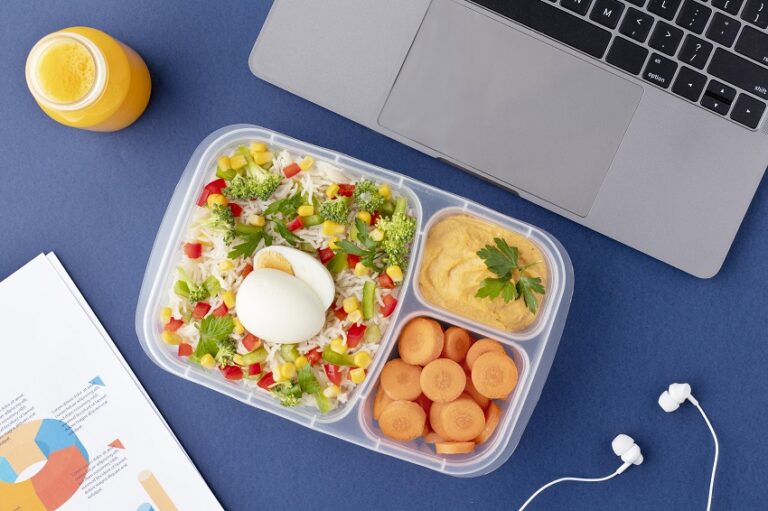
Planning lunches for less than $2 a day might sound like a stretch—but with smart meal prep, savvy shopping, and a few go-to recipes, it’s totally doable. Whether you’re packing school lunches, work meals, or just trying to keep food costs down, this post will walk you through how to make cheap, nutritious, and satisfying meals without breaking the bank.
Why Meal Planning on a Budget Matters
The Impact on Your Wallet
When you prepare your own lunch instead of buying out, the savings add up fast. Packed lunches cost significantly less than takeout, especially over a full month or year. Meal planning helps you avoid impulse purchases and food waste, which are common budget leaks.
Health Benefits
Budget lunches don’t have to be unhealthy. By cooking at home, you control exactly what goes into your food — from sodium levels to portion sizes to how fresh your ingredients are.
Less Stress, More Structure
Having a weekly plan means fewer last-minute decisions about what to eat. With a structured layout and simple recipes, packing lunches becomes efficient rather than chaotic.
Key Principles for $2-a-Day Lunch Planning
Focus on Staples That Stretch
- Beans and lentils: These are cost-effective, high in protein, and very versatile. Many frugal lunch ideas rely on beans + rice or beans + salad.
- Grains: Rice, pasta, and potatoes are budget-friendly bases.
- Eggs: Inexpensive, easy to cook, and great for salads, sandwiches, or mini frittatas.
- Canned proteins: Items like tuna and beans are cheap per serving and don’t spoil quickly.
- Seasonal vegetables: Buying produce in season (or using frozen) saves money and keeps meals fresh.
Buy Smart
- Shop in bulk for staples like rice, beans, and oats. Bulk purchases often cost far less per unit.
Parents - Use a shopping list to resist impulse buys and avoid food waste.
Nedbank - Choose generic brands where possible — store-brand staples are usually just as healthy, for less.
Prep Once, Eat Many Times
Batch cooking (e.g., making a big pot of soup or a tray of burrito bowls) means you can portion out lunches for the week. This not only saves time, but also significantly cuts costs per serving.
Use Reusable Containers
Investing in compartmentalized reusable lunchboxes is a smart move. They let you pack a variety of components (like veggies, grains, protein) and avoid single-use packaging.
Budget-Friendly Lunch Recipes Under $2
Here are some practical lunchbox meal ideas that cost around or under $2 per serving, based on pricing frameworks from trusted sources.
Bean + Rice Bowls
- What’s in it: Cooked bulk rice, canned or cooked beans (like black beans or lentils), a splash of salsa or seasoning.
- Why it works: High in protein and fiber, these bowls are filling and cheap. Variations (like adding frozen corn, a few veggies, or a drizzle of olive oil) let you mix flavor without blowing the budget.
Peony
Tuna & White Bean Salad
- What’s in it: Canned tuna, white beans, olive oil or yogurt, lemon juice, chopped celery or onion.
- Estimated cost: ~$1.65 per serving, according to SELF’s budget-lunch roundup.
SELF - How to serve: Eat plain, on a bed of greens, or inside a wrap.
Lentil + Cabbage Salad
- What’s in it: Lentils (cooked), shredded cabbage, carrots, a simple vinaigrette.
- Why it’s smart: Lentils add protein while cabbage offers crunch and bulk — making the meal both nutritious and cost-effective. Positively Frugal recommends this as a wallet-friendly option.
Positively Frugal
Egg Salad Variants
- What’s in it: Hard-boiled eggs, chopped veggies (like celery or onion), Greek yogurt or a light mayo, salt & pepper.
- Meal prep tip: Make a batch at the start of the week and store it in the fridge. Use it for sandwiches, with crackers, or on toast.
The Little Frugal House
DIY Lunchables
- What’s in it: Whole grain crackers, cheese cubes, deli meat (or boiled eggs), fresh fruit or veggie sticks.
- Why it’s frugal: According to HeyPeony, building your own “Lunchables” at home costs a fraction of the store-bought ones.
Peony
Pasta Salad
- What’s in it: Cooked pasta (any shape), leftover veggies, a splash of vinaigrette or olive oil.
- Batch advantage: This salad stores well in the fridge for several days and is perfect for grab-and-go lunchboxes.
This Mama Blogs
Meal-Planning Workflow for $2/Day Lunches
Here’s a step-by-step weekly workflow to make sure your lunchbox plan stays under budget while keeping things varied and tasty.
Step 1 — Plan Your Menu
- Choose 3–4 base meals you can rotate: a bean bowl, a salad, a pasta dish, and an egg-based item.
- Estimate how many servings you need and calculate quantities accordingly.
Step 2 — Build a Smart Grocery List
- Write down all staples (rice, beans, pasta, eggs, etc.).
- Add produce and extras (salsa, yogurt, olive oil) based on your menu.
- Stick to the list when shopping — this avoids impulse buys.
Step 3 — Batch Cook
- Pick one day (like Sunday) for batch cooking.
- Cook your grains, beans, eggs, and any proteins. Portion them into containers.
- Prepare dressings or salad mixes so everything is ready-to-go.
Step 4 — Assemble Daily
- Each evening or morning, assemble your lunchbox with a protein, base (grain or salad), and a side (veggies or fruit).
- Use reusable containers to minimize waste and make layering (e.g., for burrito bowls) easier.
Step 5 — Monitor & Adjust
- At the end of the week, track how much you actually spent.
- If you went over $2/day, adjust: maybe swap out a more expensive item, reduce portion size slightly, or incorporate more bulk staples.
- If under budget, consider reinvesting savings into a fun ingredient (like a spice) to make things more exciting next week.
Tips to Stretch Your Lunchbox Budget Even Further
Use Frozen Vegetables
Frozen veggies can be cheaper than fresh, reduce waste (they last longer), and are just as nutritious. Add them to rice bowls or pasta.
Buy Canned Goods Wisely
Look for sales on canned beans, tuna, and tomatoes. Alternatively, dried beans are even more cost-efficient if you have time to cook.
Utilize Leftovers
Leftovers from dinner can become tomorrow’s lunch. Extra roasted veggies, cooked meat, or grains all work beautifully in lunchboxes.
Flavor Without the Cost
Use inexpensive seasonings — garlic powder, onion powder, salt, pepper, and a little lemon juice can go a long way.
Be Flexible With Proteins
If canned tuna is on sale this week, make more tuna salad. If not, lean into lentils or eggs. Flexibility helps you stay under budget.
Common Pitfalls & How to Avoid Them
- Impulse buying snacks: Stick to your list. Don’t wander aisles that tempt you with shiny packaging.
- Overbuying perishables: Only buy as many fresh vegetables or deli items as you’ll use that week; otherwise, choose frozen.
- Not factoring in prep time: Batch cooking saves money but requires time. Set aside a specific block for it.
- Misjudging portion sizes: Use consistent containers and measure when you first start — this helps keep cost per serving accurate.
Frequently Asked Questions (FAQs)
Q1: Is it realistic to make a healthy lunch for under $2/day?
Yes — many budget-conscious meal planners use staples like beans, grains, and eggs to hit this target. For example, SELF highlights several lunches at or below $2 per serving.
SELF
Q2: Where do I buy the cheapest staples?
Buying in bulk is one of the most cost-effective strategies. Local warehouses, discount grocers, and even ethnic markets often have bulk bins or larger packaging for rice, beans, and pasta.
Parents
Q3: How do I keep batch-cooked meals fresh through the week?
Use airtight containers, and consider freezing meals that won’t be eaten within 3–4 days. For salads, store components (like dressing and greens) separately until assembly.
Q4: Do I compromise nutrition when cutting costs?
Not necessarily. With smart choices — like combining legumes for protein, seasonal/frozen veggies for fiber, and whole grains — you can build balanced, nutritious meals even on a tight budget.
Q5: What if I don’t have time to cook on weekends?
You can still save: choose super-simple recipes (like tuna salad) or pre-chop some veggies midweek. Even minimal prep makes a big difference in cost and convenience.
Final Thoughts
Creating a lunchbox meal plan under $2/day isn’t just a budgeting hack — it’s a mindset shift. With a few smart strategies and a little weekly prep, you can enjoy tasty, healthy meals while keeping costs remarkably low. Focus on staples, batch cook, and mix up flavors so you don’t get bored. Over time, you’ll find it’s not just sustainable — it’s empowering.