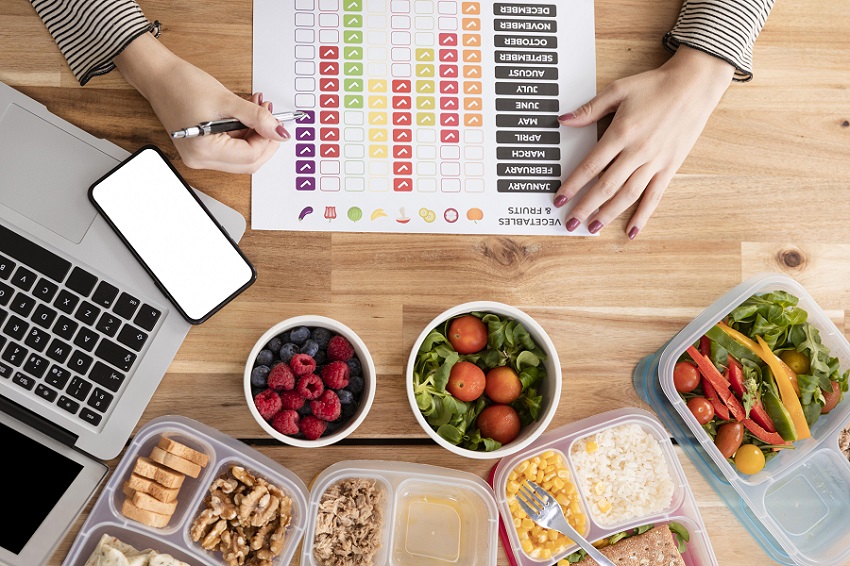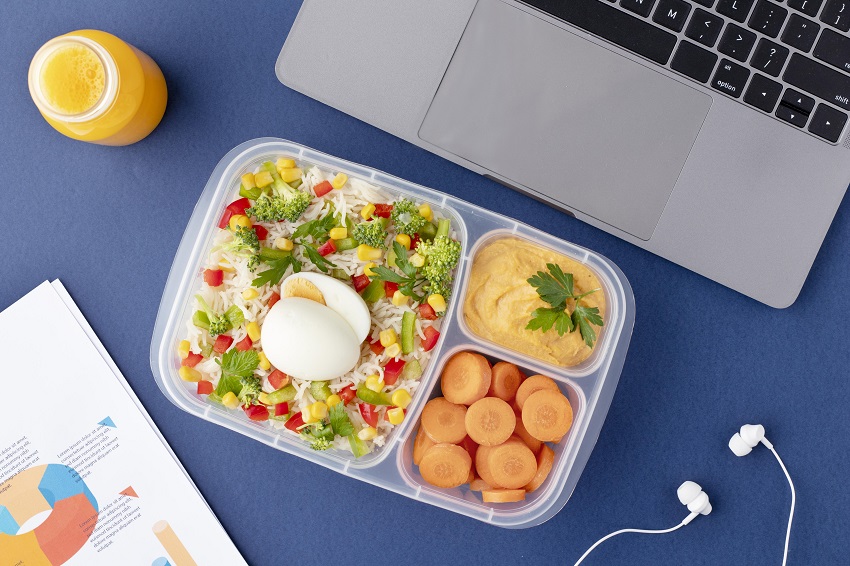
Meal planning often brings to mind stacks of coupon inserts or scouring weekly ads for deals. But what if you don’t use coupons, or don’t want to rely on them? You can absolutely build a smart, budget-friendly meal plan without ever clipping a coupon. In this post, we’ll walk through proven strategies to save money, reduce waste, and make the most of your groceries—all without traditional couponing.
Why Plan Meals Without Coupons?
Planning your meals without relying on coupons offers several key benefits:
- Stability: Coupons are unpredictable. A solid meal plan won’t get derailed by sudden price changes.
- Sustainability: You make fewer impulse buys and focus on staple, versatile ingredients.
- Efficiency: Spend less time hunting for deals and more time cooking, eating, and enjoying your food.
- Health: Meal planning often leads to more balanced, home-cooked dishes versus last-minute processed purchases.
Core Principles of Budget-Friendly, Coupon-Free Meal Planning
Build your method on these foundational ideas:
1. The 3 P’s Framework: Plan, Purchase, Prepare
Adapted from budget-nutrition planning:
- Plan: Set your weekly food budget, decide meals, and draft your shopping list.
- Purchase: Buy intentionally—stick to the list, choose generic brands, and opt for seasonal produce.
- Prepare: Cook in batches, double recipes, and repurpose leftovers into new meals.
2. Smart Shopping Without Coupons
Stretch your food budget with these savvy strategies:
- Compare unit prices rather than package sizes.
- Choose store or generic brands—often cheaper and comparable in quality.
- Buy in bulk—but wisely: Ideal for non-perishables like rice, beans, or grains.
- Avoid pre-cut or pre-packaged items; doing it yourself saves money.
- Leverage seasonal and reduced items: Seasonal produce costs less, and reduced-price items can often be frozen.
- Stick to a list and avoid impulse purchases.
Step-by-Step Guide: How to Create a Coupon-Free Meal Plan
Follow this practical, actionable system:
Step 1: Evaluate What You Already Have
Start by taking inventory of your pantry, fridge, and freezer. Note staples you can reuse—grains, canned beans, sauces, frozen vegetables. Planning around what you already have saves money and reduces waste.
Step 2: Decide Your Meal Structure
Pick a small number of core “themes” or building blocks for your week:
- The 5-4-3-2-1 method: Buy 5 vegetables, 4 fruits, 3 proteins, 2 spreads/sauces, and 1 grain (plus one treat).
- The 6-to-1 grocery method: Focus on 6 vegetables, 5 fruits, 4 proteins, 3 starches, 2 sauces, 1 treat.
- Minimalist meal plan: Pick 7–9 dinner recipes that reuse ingredients to reduce waste and simplify shopping.
- Incorporate meatless or low-meat days to cut costs.
Step 3: Build Your Weekly Meal Plan
Sketch out meals for breakfasts, lunches, dinners, and snacks. Use overlapping ingredients—if you buy a bag of beans, plan two meals around them. Plan for batch cooking and leftovers, doubling recipes that freeze well like soups and casseroles.
Step 4: Write a Smart Shopping List
Create your list based on planned meals. Organize it by store section to avoid back-and-forth and reduce impulse buys. Check your inventory before heading out to avoid duplicates. Only buy bulk items if you’ll realistically use them.
Step 5: Shop Sensibly
Avoid shopping on an empty stomach. Stick to your list—skip sale items that don’t fit your plan. Choose generic brands and use bulk bins for grains, beans, or spices. Look for discounted items and freeze them when possible.
Step 6: Prep and Cook Efficiently
Prep immediately if you have time: wash and chop vegetables, portion meats, par-cook items. Cook in batches—make large pots of soup, stews, or casseroles to portion and refrigerate or freeze. Reinvent leftovers: roasted vegetables can become wraps, soups, or fried rice.
Step 7: Track and Adjust
Keep a simple tracker to note meals eaten, waste, and overbought items. At week’s end, review what worked and adjust your next plan accordingly.
Additional Tips to Cut Costs Without Coupons
Go beyond basic planning with these expert-level strategies:
- Use a “Pantry First” Strategy: Always start your week’s plan with what’s already in your pantry or freezer.
- Grow or Preserve: Even a small herb pot can lower produce costs. Preserve seasonal bounty through canning or freezing.
- Limit Fancy Snacks: Stick to simple staples like popcorn, fruit, or homemade granola.
- Shop Once a Week: Reduce trips to stick to your plan and budget.
- Use Technology: Meal-planning apps or budgeting tools can help without coupons.
Real‑Life Example
Here’s a sample 5-day, coupon-free meal plan for a family of four:
| Day | Breakfast | Lunch | Dinner | Snack |
|---|---|---|---|---|
| Monday | Oatmeal with banana | Chickpea salad sandwich | Lentil soup + homemade bread | Popcorn |
| Tuesday | Scrambled eggs & toast | Leftover lentil soup | Rice + stir-fry veggies + tofu | Fruit |
| Wednesday | Yogurt + berries | Rice bowl with beans | Spaghetti + tomato sauce + veggies | Carrot sticks & hummus |
| Thursday | Overnight oats | Chickpea salad | Baked chicken + potatoes + greens | Apple slices |
| Friday | Fruit smoothie + oats | Leftover spaghetti | Bean tacos | Homemade granola bar |
- Overlapping ingredients: oats, beans, rice, seasonal vegetables.
- Batch-cooked lentil soup used for two meals.
- Minimal meat: chicken once; plant-based proteins elsewhere.
Frequently Asked Questions (FAQs)
Q1: Is it really possible to save money on food without using coupons?
Yes—by planning meals, buying generics, using bulk, minimizing waste, and cooking smartly, you can significantly reduce grocery bills.
Q2: How do I deal with fluctuating food prices without coupons?
Build flexibility into your plan. Use structured methods like 5-4-3-2-1 to swap affordable proteins or vegetables. Batch-cook and freeze when prices are low.
Q3: Isn’t cooking from scratch too time-consuming?
It can take extra time initially, but batch cooking and simple recipes cut down overall cooking time while saving money.
Q4: How do I avoid food waste without coupons?
Use a weekly pantry inventory, plan overlapping meals, repurpose leftovers, and freeze surplus or near-expiry foods.
Q5: What if I have a very tight budget?
Lean on plant-based proteins, buy staple bulk items, use seasonal produce, and stick to minimal, repeatable meals.
Conclusion
Meal planning without coupons is entirely doable, effective, and often more sustainable. By focusing on smart planning, versatile ingredients, bulk buying, waste reduction, and intentional cooking, you can lower grocery bills and simplify your life.
Build a system that works for you: start small, track progress, and adjust week by week. Try the 5-4-3-2-1 structure, make your list, shop once, and batch cook. The payoff can be huge.