Tired of overspending on food? The 30-Day Budget Meal Challenge offers a proven system to cut costs without sacrificing taste or nutrition. Over one month, you’ll build smarter shopping habits, streamline your cooking, and eat better for less. This isn’t about deprivation—it’s a practical, sustainable way to stretch your food budget, boost savings, and develop long-term skills.
Why Try a 30-Day Budget Meal Challenge?
The Benefits of Food Budgeting
- Save Money: Eating out frequently adds up. Planning and cooking meals at home can save you hundreds, or even thousands, annually.
- Reduce Food Waste: Cooking at home ensures you use what you buy, preventing perishables from spoiling.
- Improve Nutrition: Homemade meals typically include more whole foods like grains, beans, and seasonal produce, and fewer ultra-processed items.
- Build Good Habits: A 30-day framework provides the structure and momentum needed to cement new, budget-friendly routines.
How to Set Up Your 30-Day Budget Meal Challenge
Step 1: Define Your Food Budget
- Set a Realistic Budget: Aim to spend no more than 10-15% of your take-home income on food.
- Break It Down: Divide your total budget by four for a weekly cap or by 30 for a daily view.
- Track Expenses: Use a notebook or app to record all grocery and dining-out spending.
Step 2: Take Inventory & Clean Out Your Pantry
Before you shop, audit your pantry, fridge, and freezer. Use what you already have—grains, canned goods, frozen vegetables—to create meals. This “pantry challenge” approach saves money and reduces waste from unused items.
Step 3: Meal Plan Strategically
- Choose Simple Recipes: Limit the number of ingredients per dish to control costs.
- Embrace Seasonal Produce: In-season fruits and vegetables are cheaper and fresher.
- Rely on Staples: Build meals around affordable, versatile items like rice, beans, lentils, and eggs.
- Stay Flexible: Stick to a weekly plan but allow for swaps or repeats to avoid burnout.
Step 4: Adopt Budget-Friendly Grocery Methods
- Try a Structured Method: Consider the 6-to-1 grocery method: 6 vegetables, 5 fruits, 4 proteins, 3 starches, 2 spreads/sauces, and 1 fun item.
- Compare Unit Prices: Look at the cost per 100g to find the real value.
- Buy in Bulk: Stock up on non-perishable staples like rice and oats when they are on sale.
- Use Coupons & Loyalty Cards: Leverage store programs and digital coupons for extra savings.
Step 5: Meal Prep & Freeze
- Cook in Batches: Prepare large portions and freeze meals for later. “Cook once, eat twice” is a powerful time and money saver.
- Invest in Storage: Freezer-safe containers or zip-lock bags make storing prepped meals simple.
Step 6: Stay Accountable & Track Progress
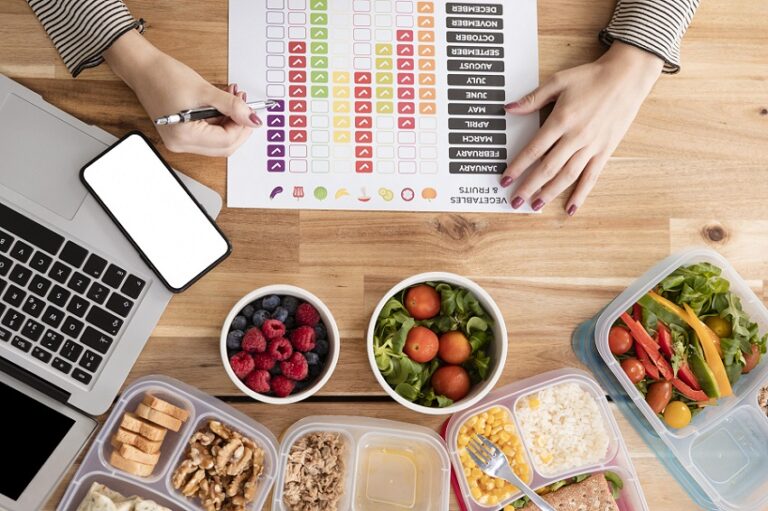
- Display Your Plan: Post your meal plan on the fridge to stay focused.
- Join a Community: Find motivation and recipe ideas in online budgeting or healthy-eating groups.
- Evaluate Weekly: Review your spending versus your budget and note which meals were successful.
Sample 30-Day Meal Framework
Here’s a simple, cost-effective monthly structure:
| Week | Theme | Key Ingredients |
|---|---|---|
| Week 1 | Legume Power | Lentils, chickpeas, beans |
| Week 2 | Whole Grains | Brown rice, oats, barley |
| Week 3 | Seasonal Vegetables | Cheapest local produce |
| Week 4 | Leftovers & Freestyle | Frozen meals, leftovers, pantry items |
Daily Meal Examples
- Breakfast: Overnight oats with banana and peanut butter
- Lunch: Lentil soup with rice and a side salad
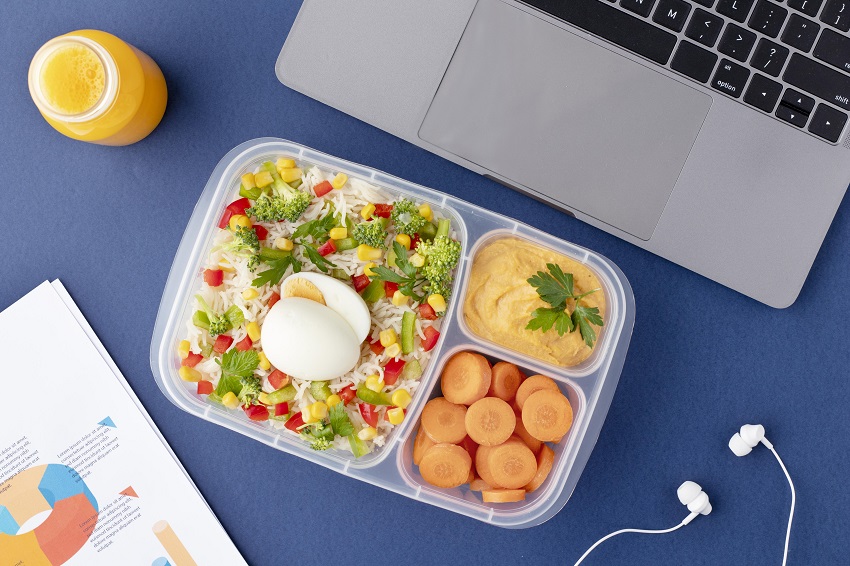
- Snack: Carrot sticks with hummus
- Dinner: One-pot bean chili or vegetable stir-fry
Doubling recipes and freezing half reduces daily cooking stress and maximizes your budget.
Smart Tips to Maximize Savings
Use Seasonal & Local Ingredients
In-season produce is more flavorful and affordable. Shop at farmers’ markets for often cheaper, fresher options.
Favor Affordable Proteins
Incorporate beans, lentils, chickpeas, and eggs. They are nutritious, versatile, and budget-friendly. Stretch meat by mixing it with beans in recipes.
Keep Pantry Staples Stocked
Maintain a core supply of long-lasting items like rice, oats, pasta, canned tomatoes, and frozen vegetables. A well-stocked pantry prevents impulse buys and offers meal flexibility.
Avoid Expensive, Specialty Ingredients
Skip exotic items that blow your budget. Keep recipes simple and swap pricey ingredients for affordable alternatives.
Shop Smart & Minimize Waste
- Compare unit prices and use loyalty programs.
- Buy non-perishables in bulk on discount.
- Freeze leftovers and batch-cooked meals.
- Repurpose leftovers into new dishes like wraps or fried rice.
- Plan “use-it-up” nights to clear out perishables before they spoil.
Tracking Your Results: Reflection & Adjustment
Weekly Check-In
Each week, tally your spending against your budget. Note successful, satisfying meals and identify any cost-inefficient recipes or waste.
Mid-Challenge Adjustments
- If Overspending: Cut back on expensive ingredients, double more recipes to freeze, or simplify your plan.
- If Underspending: Consider a modest “treat” night or invest in bulk pantry staples.
End-of-Challenge Reflection
After 30 days, calculate your total savings. Reflect on the new habits you’ve built—cooking more, wasting less, shopping smarter—and decide how to integrate this approach long-term.
Common Challenges & How to Overcome Them
Feeling Bored of the Same Meals
- Rotate recipes weekly.
- Experiment with different spices and flavor profiles.
- Get creative with repurposing leftovers.
Running Out of Time to Cook
- Rely on batch-cooked freezer meals.
- Pre-chop vegetables or use frozen pre-cut options.
- Plan no-cook meals like salads or wraps.
Unexpected Extra Costs
- Keep a small budget buffer for surprises.
- Use flexible recipes that allow for cheaper ingredient swaps.
- Reassess your shopping strategy (bulk buying, cheaper stores).
Motivation & Consistency
- Do the challenge with a friend for accountability.
- Join online groups for support and ideas.
- Visibly track your progress with a fridge calendar.
Frequently Asked Questions (FAQ)
What exactly is a 30-day budget meal challenge?
It’s a 30-day commitment to plan, cook, and eat meals at home while sticking to a predefined food budget. The goal is to reduce costs, minimize waste, and build better habits.
How much can I realistically save?
Savings vary, but if you frequently eat out or overspend on groceries, you could save hundreds per year.
What if my local food costs are high?
Focus on local, seasonal produce. Rely more on legumes, grains, and eggs. Shop smart by comparing unit prices and buying in bulk where possible.
Do I need special kitchen tools?
Basic tools like a large pot, baking tray, and storage containers are sufficient. Freezer-safe containers are very helpful for batch cooking.
How do I stay motivated for the full 30 days?
Set clear goals, do the challenge with a partner, track your progress weekly, and celebrate small milestones like completing your first week under budget.
Final Thoughts
The 30-Day Budget Meal Challenge is a transformative system that reshapes how you shop, cook, and eat. Within a month, you can build routines that save money, reduce waste, and improve your nutrition. The habits you form will provide a sustainable blueprint for long-term financial and dietary wellness.