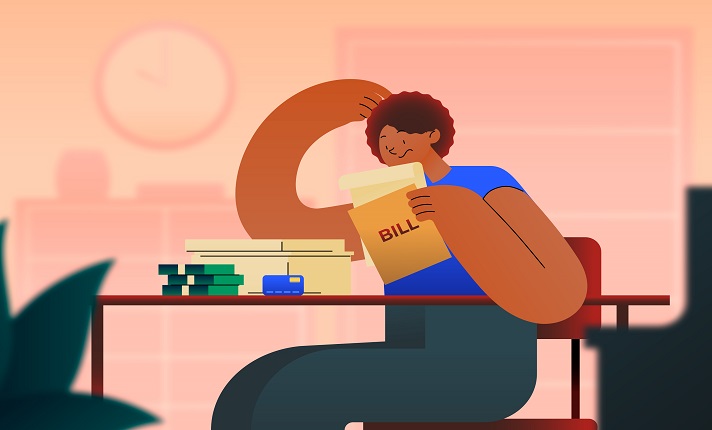
Losing a job or living without steady income can feel overwhelming, especially when bills keep coming and savings feel impossible. The good news is that saving money without a job is not only possible, it’s often necessary for survival and long-term stability. With the right mindset, smart budgeting strategies, and aggressive expense control, you can stretch limited resources further than you might expect.
This guide is written from a real-world, practical perspective. It focuses on actions you can take immediately, even if your income is zero or unpredictable. Whether you’re unemployed, a stay-at-home parent, between jobs, or dealing with a temporary financial setback, this article will help you regain control of your finances.
Understand Your Financial Reality
Accept the Situation Without Panic
The first step in saving money without a job is accepting your current financial position honestly. Panic leads to poor decisions, while clarity leads to control. Take a deep breath and understand that unemployment or lack of income is often temporary, even if it doesn’t feel that way right now.
Acknowledging your situation allows you to shift your focus from fear to strategy. Instead of worrying about what you don’t have, you begin to work with what you do have. This mental shift is crucial for making rational financial choices.
Calculate What You Have
Make a clear list of your available resources. This includes cash savings, emergency funds, bank balances, government assistance, gift cards, and even items you can sell if necessary. Knowing exactly how much money you have gives you a realistic starting point.
This step helps prevent overspending and allows you to estimate how long your funds can last. It also helps you prioritize expenses more effectively.
Build a Bare-Bones Budget
Create a Survival Budget
A survival budget focuses only on essentials: food, housing, utilities, transportation, and basic healthcare. Everything else becomes optional or temporarily eliminated. This type of budget is designed to help you survive, not live comfortably.
Write down your monthly essential expenses and compare them to your available funds. The goal is to make your money last as long as possible while meeting basic needs.
Pause All Non-Essential Spending
Subscriptions, entertainment, dining out, impulse purchases, and luxury items must be paused. Even small recurring charges add up quickly when you have no income.
Cancel streaming services, gym memberships, app subscriptions, and any automatic payments that are not essential. This can free up more money than most people realize.
Cut Expenses Aggressively
Reduce Housing Costs
Housing is usually the largest expense. If possible, negotiate rent with your landlord, ask for temporary relief, or request a payment plan. Many landlords prefer partial payments over no payments at all.
If your situation is long-term, consider downsizing, moving in with family, or taking on a roommate. While not ideal, reducing housing costs can dramatically extend your financial runway.
Lower Utility Bills
Cutting utility costs is one of the fastest ways to save money without a job. Use less electricity, reduce water usage, unplug unused devices, and adjust heating or cooling settings.
Contact utility companies to ask about hardship programs, budget billing, or temporary discounts. Many providers offer assistance during unemployment.
Slash Transportation Costs
If you own a car, reduce driving to essentials only. Walk, bike, or use public transportation whenever possible. Consider temporarily pausing car insurance coverage if your car is not being used, where legally allowed.
Transportation savings can significantly reduce monthly expenses, especially when fuel and maintenance costs are eliminated.
Save Money on Food
Switch to a Frugal Meal Plan
Food is one area where smart planning can save substantial money. Focus on simple, low-cost meals made from staples like rice, beans, lentils, eggs, oats, and seasonal vegetables.
Avoid processed foods, takeout, and packaged snacks. Cooking at home using basic ingredients is far cheaper and often healthier.
Shop Strategically
Use discount grocery stores, local markets, and clearance sections. Buy store brands instead of name brands, and shop with a strict list to avoid impulse purchases.
If available, consider food assistance programs, food banks, or community pantries. These resources exist to help people during difficult times and can significantly reduce food costs.
Reduce Food Waste
Plan meals carefully and use leftovers creatively. Freezing unused food and repurposing leftovers prevents waste and stretches your grocery budget further.
Eliminate Debt Payments (Temporarily)
Contact Creditors Immediately
If you have debt, contact creditors as soon as possible. Many lenders offer hardship programs, forbearance, or temporary payment pauses during unemployment.
Ignoring debt worsens the situation. Proactive communication can protect your credit and reduce stress.
Prioritize Essential Bills
When money is extremely tight, focus on survival first. Housing, utilities, and food come before unsecured debt like credit cards.
This approach is not about avoiding responsibility; it’s about staying afloat during a financial emergency.
Use Government and Community Assistance
Apply for Unemployment Benefits
If eligible, unemployment benefits can provide temporary income while you search for work. Apply as soon as possible, as approval can take time.
Even partial benefits can help cover essentials and reduce the need to drain savings.
Explore Assistance Programs
Look into food assistance, housing support, utility relief, healthcare subsidies, and emergency grants. These programs exist specifically to help people without jobs.
Community organizations, charities, and religious institutions often provide additional support such as food, clothing, and financial assistance.
Protect Your Savings
Avoid Draining Emergency Funds Too Fast
Your savings are your safety net. Use them carefully and intentionally. Avoid large purchases, unnecessary withdrawals, or lending money to others during this time.
Stretching your savings gives you more time to recover financially and find new opportunities.
Keep Cash Accessible
Maintain access to liquid cash rather than locking money into long-term commitments. Flexibility is crucial when income is uncertain.
Adopt a Minimalist Mindset
Focus on Needs Over Wants
Saving money without a job requires redefining what is truly necessary. Comfort and convenience often come at a cost you cannot afford right now.
By simplifying your lifestyle, you reduce financial pressure and mental stress.
Find Free Alternatives
Entertainment, education, and social interaction do not need to cost money. Use libraries, free online resources, community events, and outdoor activities to stay engaged without spending.
Plan for the Future
Track Every Dollar
Monitoring your spending helps you identify leaks and stay accountable. Use a notebook, spreadsheet, or free budgeting app to track every expense.
Awareness alone often leads to better financial decisions.
Prepare for Income Opportunities
While this article focuses on saving money without a job, preparing for future income is equally important. Update your resume, build skills, and stay active in job searches when possible.
Even small freelance or temporary opportunities can help reduce financial pressure.
Common Mistakes to Avoid
Ignoring the Problem
Avoiding financial reality only makes things worse. Facing your situation directly allows you to take control and make informed decisions.
Relying on Credit
Using credit cards to survive unemployment can create long-term financial damage. Interest accumulates quickly and can trap you in debt.
Making Emotional Purchases
Stress often leads to emotional spending. Pause before every purchase and ask if it is truly necessary.
Frequently Asked Questions
Can you really save money without a job?
Yes, saving money without a job is possible by reducing expenses, using assistance programs, and protecting existing savings. While you may not add to savings, preserving what you have is a form of saving.
How long can savings last without income?
This depends on your expenses and available funds. A strict survival budget can significantly extend how long your savings last.
Should I stop paying debt if I’m unemployed?
In many cases, yes, temporarily. Prioritize essentials and communicate with creditors to explore hardship options.
What expenses should be cut first?
Non-essential expenses like subscriptions, entertainment, dining out, and luxury items should be eliminated first.
Is it okay to ask for help?
Absolutely. Asking for help during financial hardship is responsible, not shameful. Assistance programs exist to support people during difficult times.
Final Thoughts
Learning how to save money without a job is about survival, discipline, and smart decision-making. While this period may be challenging, it can also teach valuable financial lessons that benefit you long-term.
By cutting expenses, using available resources, and protecting your savings, you can navigate unemployment with greater confidence and control. This phase will not last forever, and the steps you take now will determine how strong your financial recovery will be.