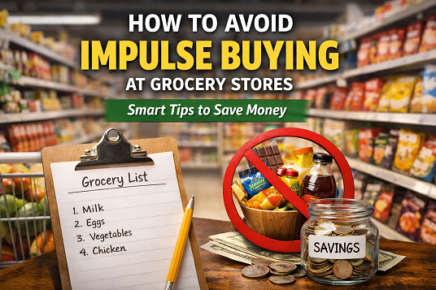
Impulse buying at grocery stores is a silent budget killer. You enter the store for a handful of essentials like bread and eggs, but you leave with a cart full of snacks, drinks, a candle, a few clearance items, and an extra $50—or more—on your receipt. If this scenario feels all too familiar, you’re not alone. The good news? Impulse buying is a habit you can break with the right knowledge and tactics.
This comprehensive guide delves deep into how to avoid impulse buying at grocery stores. We’ll explore the hidden triggers, the real cost of those unplanned purchases, and, most importantly, the proven strategies that will help you shop with purpose and control.
Why Impulse Buying Happens: The Psychology Behind the Purchase
To conquer impulse buying, you must first understand its roots. Grocery stores are meticulously engineered environments designed to capitalize on human psychology and encourage spending beyond your initial plan.
Smart Store Layout Tricks
Have you ever noticed that staples like milk and eggs are almost always at the back of the store? This is no accident. This layout forces you to navigate a gauntlet of tempting products. Key tactics include:
- Endcap Displays: These high-visibility shelves at the end of aisles are prime real estate, often featuring items that brands pay to promote. They create a sense of urgency and value.
- Strategic Product Placement: Eye-level shelves are reserved for the most profitable items, not necessarily the best deals. Children’s favorites are placed at their eye level to prompt “pester power.”
- Aromatic Marketing: The smell of freshly baked bread from the in-store bakery is designed to stimulate your appetite and lower your resistance to temptation.
Emotional Shopping Triggers
Your emotional state is a powerful driver of unplanned purchases. Common triggers include:
- Hunger: Shopping on an empty stomach is a classic mistake.
- Stress or Fatigue: When you’re tired or overwhelmed, your decision-making willpower plummets.
- Boredom or Excitement: Sometimes, shopping is a form of entertainment, and a “great deal” can feel like a win.
Time Pressure and Decision Fatigue
Rushing through your grocery trip or facing an overwhelming number of choices leads to decision fatigue. Your brain, tired of making small choices, defaults to the path of least resistance—grabbing what looks appealing without considering the cost or necessity.
The Illusion of Savings
“Buy One Get One 50% Off,” “Limited Time Offer,” and flashy clearance tags create a powerful fear of missing out (FOMO). These promotions can trick you into buying items you don’t need, convincing you that you’re saving money when you’re actually spending more than you planned.
The Real Cost of Impulse Buying
The impact of impulse buys extends far beyond a single inflated receipt. It has tangible long-term effects on your finances and lifestyle.
Higher Monthly Grocery Bills
An extra $10–$20 per trip seems insignificant, but it adds up to $500–$1,000 or more per year leaking from your budget. This is money that could be directed toward savings, debt repayment, or meaningful experiences.
Increased Food Waste
Impulse purchases are often forgotten, languishing in the pantry or fridge until they expire. The U.S. Department of Agriculture estimates that over 30% of the food supply is wasted, and unplanned buys are a major contributor.
Budgeting Becomes Harder and More Stressful
When your spending is unpredictable, it throws your entire monthly budget out of whack. You lose track of your spending categories, making financial planning feel like a guessing game.
Less Intentional Eating and Health Impacts
Impulse items are typically processed snacks, sugary drinks, and convenience foods. Regularly giving in to these urges can derail health and wellness goals, leading to a less nutritious diet.
How to Avoid Impulse Buying at Grocery Stores: Your Action Plan
Ready to take back control? Here are the most effective, research-backed methods to eliminate impulse spending.
Make a Detailed List and Stick to It
A shopping list is your number one defense against impulse buys. It provides structure and focus, acting as a tangible reminder of your goals.
Why It Works:
Lists engage the logical part of your brain, helping you filter out distractions and marketing noise.
Practical Tip:
Use a digital notes app on your phone that you can update in real-time throughout the week as you run out of items.
Bonus Strategy:
Organize your list by store sections (produce, dairy, pantry, etc.). This creates a efficient “search and retrieve” mission, minimizing the time you spend wandering—a primary cause of impulse buying.
Never, Ever Shop Hungry
This age-old advice is backed by solid science. A study published in JAMA Internal Medicine found that hunger increases the desire for high-calorie foods and can lead to overall higher spending.
The Science Behind It:
Hunger triggers the release of ghrelin, the “hunger hormone,” which puts your brain into “reward-seeking mode.” This makes you disproportionately drawn to calorie-dense, often expensive, snack foods.
Fix the Problem:
Always eat a substantial snack or meal before you head to the store. Even an apple or a handful of nuts can be enough to keep your willpower intact.
Set a Firm Grocery Budget Before You Go
A pre-determined budget forces you to be mindful and evaluate each potential addition to your cart against a hard limit.
Try the Cash Envelope Method:
This classic budgeting method is incredibly effective for groceries. Withdraw the exact amount of cash you’ve budgeted. When the envelope is empty, you’re done shopping. The physical limitation is a powerful deterrent.
Use Digital Tools:
Apps like YNAB (You Need A Budget) or Goodbudget allow you to track your spending in real-time, right from your phone. Seeing the total climb as you shop creates immediate accountability.
Shop With a Basket Instead of a Cart
Psychology shows that using a large cart subconsciously encourages you to fill it. A basket, however, sets a physical and visual limit.
Perfect for Quick Trips:
If you’re picking up 15 items or fewer, always opt for a basket. It prevents you from adding bulky, non-essential “just in case” products.
Avoid “Deal Traps” and False Savings
Learn to see through clever marketing. A deal only saves you money if it’s for an item you were already planning to buy.
Ignore Deals for Non-Essentials:
If an item isn’t on your list, the discount is irrelevant. You’re not saving 50%; you’re spending 50% more than you intended.
Check the Price Per Unit:
Always look at the small print on the shelf tag that shows the price per ounce, pound, or gram. Sometimes, the larger, “on-sale” package has a higher unit cost than a smaller competitor.
Follow the 24-Hour Rule:
Feel a strong urge to buy something unplanned? Take a photo of it or make a mental note, and promise yourself you’ll come back for it on your next grocery trip if you still want it. Most of the time, the desire will have passed.
Shop the Store Perimeter First
The perimeter of the store typically houses the whole, essential foods: fresh produce, meat, seafood, and dairy. The inner aisles are where the majority of processed, packaged, and impulse-triggering foods reside.
This simple shift helps you:
- Spend Less: Focus on foundational ingredients.
- Eat Healthier: Fill your cart with whole foods first.
- Avoid Manipulative Packaging: Limit your exposure to the bright, scientifically engineered packaging in the center aisles.
Use a Weekly Meal Plan to Guide Your Shopping
Meal planning is the proactive counterpart to list-making. It connects your grocery list directly to your actual meals for the week, leaving little room for spontaneity.
Why It Works:
You shop with a clear purpose for every item in your cart. There’s no question of “what could I make with this?” because you already have a plan.
Pro Tip:
Plan for 4–5 flexible dinners that share common ingredients. This reduces waste and prevents you from buying a specialty item for a single meal that you’ll never use again.
Pay Attention to Store Psychology (And Counter It)
Knowledge is power. By recognizing these common tactics, you can build immunity to them.
Common Tactics You Should Know:
- Endcaps often feature items with a high profit margin, not the store’s best deals.
- The Checkout Lane is a last-minute temptation trap, stocked with candy, magazines, and small electronics.
- Slow, Calming Music is played to slow your pace, encouraging you to browse longer and spend more.
Set a Time Limit for Your Trip
The longer you stay in the store, the more money you will spend. It’s a direct correlation.
Try This Strategy:
Set a timer on your phone for 20–30 minutes. This creates a sense of urgency that keeps you mission-focused and moving efficiently through your list. A faster trip is a cheaper trip.
Avoid the Siren Call of “New Product” Displays
New items are strategically placed to catch your eye and spark curiosity. They often come with a premium price tag for the novelty factor.
Ask Yourself This Crucial Question:
“Do I really need this, or am I just curious because it’s new?” Almost always, the answer is the latter.
Track Your Spending as You Shop
Maintaining a running total is one of the most powerful habits for curbing overspending.
Methods That Work:
- Use the calculator on your phone.
- Keep a running tally in your notes app.
- Use your grocery store’s app, if it has a built-in cart tracker.
Watching the total add up provides a dose of reality that makes adding a $5 bag of chips much less appealing.
Practice Mindful Shopping
Mindfulness is the conscious act of being present and aware—the absolute opposite of impulse.
How to Do It:
Before any item goes into your cart, pause for five seconds and ask this quick checklist:
- Is this on my list?
- Do I have a specific plan to use it this week?
- Is there something similar at home already?
- Am I buying this because I’m stressed, bored, or hungry?
This simple pause can save you hundreds of dollars over a year.
Implement the “Wait Zone” Strategy
Designate a “wait zone” in your cart, such as the small child seat area. Place any unplanned items there first. Then, before you reach the checkout, do a final review.
Remove Anything That:
- You grabbed because of attractive packaging.
- Wasn’t part of your original plan.
- Pushes you over your budget.
- You know won’t be used within the week.
This last-minute purge can easily save you $10–$30 every single trip.
Plan Your Shopping Day and Time Wisely
Your susceptibility to impulse buys fluctuates with your schedule and energy levels.
Avoid Shopping On:
- Payday: The feeling of a fuller bank account can lower your spending guard.
- Weekends: Crowds cause stress, which can lead to rushed decisions and impulse buys for comfort.
- Late Evenings: When you’re tired, your self-control is depleted.
Shop On Purpose:
Choose a calmer time, like a weekday morning or early afternoon, when you feel focused and unrushed.
Stick to Your Routine Brands
Impulse buying often stems from browsing and comparing. When you know which brands and products work for you, you can execute your shopping like a well-practiced routine.
This helps you avoid:
- Wasted time on comparison.
- Distraction from flashy competitor packaging.
- The temptation to try a new, often more expensive, product.
Avoid Aisles You Don’t Need
This is one of the simplest yet most effective strategies. If it’s not on your list, you don’t need to go down that aisle.
Example:
If you don’t need cereal, cookies, or chips, there is zero reason to enter the snack aisle. Walk past it with determination.
Leverage Curbside Pickup or Grocery Delivery
If impulse buying remains a significant challenge, eliminate the environment entirely. Using curbside pickup or delivery is a game-changer for many.
Why It’s Highly Effective:
- No Wandering: You shop from a predetermined list online.
- No In-Store Promotions: You’re immune to endcaps, samples, and aromatic triggers.
- Real-Time Budget Tracking: You see your cart total update with every addition and can easily remove items before checkout.
This method alone can save families $50–$150 or more per month.
Bring Only What You Need to Spend
For those who find digital budgets too easy to ignore, revert to a cash-based system.
Try This:
Leave your credit and debit cards at home. Bring only the exact amount of cash you’ve allocated for groceries. This creates a non-negotiable spending cap.
Avoid Shopping Alone if You Overspend
A little accountability can go a long way.
Bring a shopping partner who is:
- A fiscally disciplined spouse or friend.
- A teen you are teaching about budgeting.
The mere presence of another person can make you more conscious of your choices and reduce emotionally-driven spending.
Frequently Asked Questions (FAQs)
1. What is considered impulse buying at the grocery store?
Impulse buying refers to any unplanned purchase made spontaneously without prior intent. These items are not on your list, outside your budget, and often bought due to emotional triggers, clever marketing, or perceived convenience.
2. Why do I buy things I don’t need at the grocery store?
Stores are scientifically designed to encourage this behavior through layout, lighting, music, and promotions. Combined with personal factors like hunger, stress, or decision fatigue, your willpower is systematically lowered.
3. How do I stop myself from impulse buying snacks?
The most effective combo is to never shop hungry, physically avoid the snack aisle, use a strict list, and set a firm budget. For severe temptation, switch to curbside pickup to remove the option entirely.
4. Is impulse buying normal?
Yes, it’s extremely common. Studies, including those from the Point of Sale Advertising International, suggest that a significant percentage of all grocery purchases are unplanned. The goal isn’t to never impulse buy, but to control it.
5. What is the 30-day rule and is it useful for groceries?
The 30-day rule advises waiting 30 days before making a non-essential purchase. For groceries, a 24-hour rule is more practical. If you still want the item on your next trip, it might be a genuine need.
6. Can budgeting apps actually reduce impulse buying?
Absolutely. Apps like YNAB or Mint create immediate financial accountability. Watching your grocery category deplete in real-time is a powerful motivator to stick to your list.
7. Does shopping online prevent impulse buying?
Overwhelmingly, yes. Online grocery shopping removes you from the sensory-rich store environment, allowing for more logical, list-based decisions and easy cart editing before you finalize your purchase.
Final Thoughts: Make Grocery Shopping Intentional, Not Impulsive
Mastering how to avoid impulse buying at grocery stores is a transformative financial skill. It’s not about deprivation; it’s about empowerment. By adopting a strategy of meal planning, vigilant list use, firm budgeting, and a keen awareness of psychological triggers, you can completely reshape your relationship with grocery shopping.
When you shop with purpose and a clear plan, you transform a chore into an act of financial control. You save money, reduce waste, and eat better. Every dollar spent becomes a vote for the life you want to live. Take these strategies, implement them, and watch as your grocery bill—and your financial confidence—soars in the right direction.