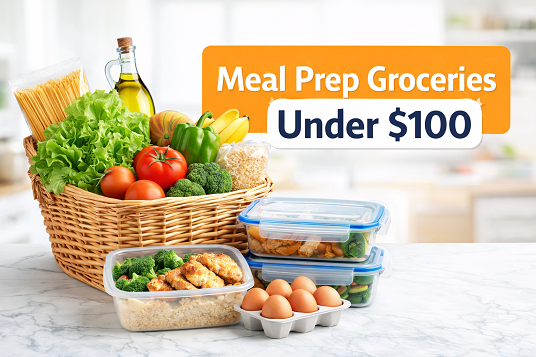
Feeding a large family on a tight budget can feel like a high-wire act. You’re constantly balancing cost, nutrition, variety, and the dreaded cries of “We’re having that again?” But here’s the secret: budget meal planning for large families isn’t just about pinching pennies—it’s about working smarter. When done right, it transforms stress into strategy and turns your kitchen into a hub of efficient, delicious, and affordable eating.
This comprehensive guide is packed with real-world, proven strategies to slash your grocery bills, cook efficiently, and ensure everyone leaves the table satisfied. Let’s dive in and turn you into a master of family meal planning on a budget.
Why Meal Planning is a Game-Changer for Big Families
Large families inherently face higher food costs, but a strategic plan is your most powerful weapon against waste and overspending. Here’s why meal planning for a big family is non-negotiable:
- Leverage Economies of Scale: Cooking for a crowd makes buying in bulk a no-brainer. Larger packages almost always have a lower cost per unit, stretching your dollars further. The Motley Fool
- Drastically Minimize Waste: A shocking amount of money is thrown away with spoiled produce, forgotten leftovers, and impulse buys. A structured plan ensures you only buy what you’ll actually use. Nourishd co
- Unlock Batch Cooking Benefits: Cooking once and eating multiple times is the cornerstone of cheap meals for large families. Techniques like batch cooking or once-a-month cooking save immense time and money. Wikipedia
- Take Control of Nutrition: Planning allows you to consciously balance plates with proteins, grains, and vegetables, ensuring your family eats well without the cost of last-minute, less-healthy convenience foods. Allrecipes
Your Step-by-Step Blueprint for a Family Meal Plan on a Budget
1. Set a Realistic Monthly Food Budget
Every successful budget meal plan starts with a number.
- Use a Percentage Guideline: A common benchmark is to spend between 2–4% of your monthly take-home pay on groceries. pocketguard.com
- Consult Official Guides: The USDA’s “thrifty” food plan provides cost-effective benchmarks for families of all sizes. Financial Coach Shannon Clark
- Track and Refine: For the most accuracy, track your actual spending for a month to establish a personalized, realistic baseline.
2. Take a Full Inventory of What You Have
Before you buy a single thing, shop your own kitchen first. This is a critical first step in minimizing food waste.
- Conduct a thorough audit of your pantry, fridge, and freezer. What staples are hiding in the back?
- Organize your shelves so that items nearing their expiration date are at the front and used first.
3. Plan Your Meals Around Sales and Seasonal Produce
Smart budget meal planning for large families means letting the grocery store’s sales cycle dictate your menu.
- Check weekly circulars or store apps to base your meals on discounted items.
- Embrace frozen and canned vegetables and fruits. They are nutritious, affordable, and have a long shelf life.
- Buy produce when it’s in season and at its cheapest, then freeze or preserve the excess. familydaily.app
4. Choose Cost-Effective Proteins Wisely
Protein is often the budget-buster, but it doesn’t have to be.
- Incorporate Plant-Based Proteins: Lentils, beans, chickpeas, and tofu are incredibly affordable and nutritious foundations for cheap meals for large families. Nourishd co
- Stretch Your Meat: Use smaller amounts of meat in hearty dishes like stews, soups, casseroles, and stir-fries where it plays a supporting role to cheaper ingredients.
- Use Tough, Inexpensive Cuts: Utilize your slow cooker or Instant Pot to transform budget-friendly cuts like chicken thighs, pork shoulder, or chuck roast into tender, family-friendly meals.
5. Master Batch Cooking and Freezer Meals
This is where the magic happens for large family cooking.
- Cook in Large Batches: Soups, stews, chilis, lasagnas, and marinara sauce all scale up beautifully and freeze perfectly.
- Try Once-a-Month Cooking: Dedicate one power day to preparing a month’s worth of dinners. Portion, label, and freeze for ultimate convenience. Wikipedia
- Invest in Storage: Good-quality freezer bags, reusable containers, and a permanent marker for labeling are essential investments.
6. Strategically Plan for Leftovers
Leftovers aren’t an afterthought; they are a strategic budget meal planning tool.
- Repurpose a Sunday roast chicken into Monday’s tacos, Tuesday’s chicken salad, and Wednesday’s soup.
- Transform leftover rice into a quick fried rice or use it as a base for grain bowls.
- Blend leftover roasted vegetables into a soup or frittata.
7. Build a Simple, Reusable Weekly Menu Structure
A framework eliminates decision fatigue and ensures consistency.
- Breakfasts: Keep it simple with a rotation of oatmeal, eggs, toast, or smoothies.
- Lunches: Rely on leftovers, DIY “bento” boxes, or simple wraps and sandwiches.
- Dinners: Implement theme nights like “Meatless Monday,” “Taco Tuesday,” “Stir-fry Wednesday,” and “Casserole Friday.”
- Snacks: Plan for budget-friendly options like fruit, yogurt, popcorn, or homemade muffins to avoid expensive, packaged impulse buys.
8. Create a Strategic, Categorized Grocery List
Your list is your shield against impulse purchases.
- Organize your list by store sections (produce, dairy, meat, pantry) to navigate the store efficiently.
- Stick to your list religiously. It’s your pre-approved spending plan.
- Cross-reference your list with your inventory to avoid buying duplicates.
9. Buy in Bulk—But Do It Wisely
Bulk buying is powerful, but it can backfire if not done strategically.
- Focus on non-perishable staples your family uses regularly: rice, pasta, oats, canned goods, and cooking oils.
- Avoid bulk buys of highly perishable items unless you have a concrete plan to use them.
- Always choose generic or store-brand items. The quality is almost identical, but the savings are substantial. Living The Gourmet
10. Track Your Waste and Continuously Adjust
The final step in successful budget meal planning for large families is a feedback loop.
- Note what gets thrown away. Are portions too large? Is a certain vegetable consistently left uneaten?
- Hold a weekly review. What meals were a hit? What could be improved? Use these insights to plan the following week.
Smart Shopping Hacks for the Budget-Conscious Family
Elevate your savings with these pro-level tips:
- The 5-4-3-2-1 Shopping Method: Simplify your list by choosing 5 vegetables, 4 fruits, 3 proteins, 2 sauces/condiments, and 1 fun item or grain. Allrecipes
- The 6-to-1 Grocery Method: A slightly more expansive version: 6 vegetables, 5 fruits, 4 proteins, 3 starches, 2 sauces/spreads, 1 “fun” item. Business Insider
- Scan-as-You-Shop: Use your store’s scanner or a calculator app to keep a running total and avoid checkout shock.
- Shop the Discounted Section: Always check the “clearance” rack for meats, bread, and produce that are near their “best by” date but still perfectly good.
- Never Shop Hungry: This classic advice is true—everything looks more appealing on an empty stomach, leading to costly impulse buys.
- Limit Processed Foods: They are expensive per serving and offer poor nutritional value. Cooking from scratch is always cheaper and healthier.
Tried-and-True Meal Ideas That Stretch Your Budget
Here are scalable, family-approved cheap meals for large families:
- Hearty Bean or Lentil Chili: A protein-packed, forgiving recipe that’s perfect for a slow cooker. Serve with rice or cornbread.
- Versatile Vegetable Frittata: A brilliant way to use up leftover veggies and a cheap source of protein from eggs.
- Nourishing Rice and Chicken Casserole: A comforting, all-in-one dish that uses affordable shredded chicken and frozen vegetables.
- Flavorful Huevos Rancheros: A budget-friendly, filling meal built on eggs, beans, and tortillas.
- Slow-Cooked Beef and Vegetable Stew: Transform an inexpensive cut of meat into a tender, family-feeding masterpiece.
- Quick Stir-Fried Rice or Noodles: The ultimate vehicle for leftover rice, bits of protein, and frozen mixed vegetables.
- One-Pot Lentil or Minestrone Soup: Inexpensive, healthy, and easy to make in a huge batch for immediate meals and freezing.
Time-Saving Tips for Cooking for a Crowd
- Embrace “Cook Once, Eat Twice”: Intentionally double or triple a recipe to create ready-made lunches or dinners for another night.
- Batch Prep Ingredients: Dedicate an hour to chopping vegetables, cooking grains, or marinating proteins for the week ahead.
- Leverage Kitchen Tools: Your slow cooker, Instant Pot, and large stockpot are your best friends for large family cooking.
- Delegate and Involve the Family: Assign age-appropriate tasks to kids—stirring, setting the table, packing lunches—to lighten your load and teach valuable skills.
Overcoming Common Budget Meal Planning Challenges
Challenge: Picky Eaters
- Solution: Rotate a few “safe” meals that everyone loves. Introduce new foods alongside these favorites, and let kids have a voice in choosing one meal per week.
Challenge: Limited Freezer Space
- Solution: Use stackable, rectangular containers. Portion meals into smaller, family-sized servings instead of one giant container. If space is extremely tight, focus on weekly batch cooking instead of monthly.
Challenge: Soaring Food Prices
- Solution: Stay flexible. Use the 5-4-3-2-1 method to maintain a consistent spending framework. Double down on plant-based meals and be ruthless about buying only what’s on sale.
Challenge: Lack of Time
- Solution: This is exactly what batch cooking and freezer meals are for! A single 3-hour prep session on the weekend can save you 10 hours of stress during the week. Don’t shy away from smart shortcuts like pre-chopped frozen onions or canned beans.
How to Track Your Success and Measure Savings
To ensure your budget meal planning for large families is working, monitor these key metrics:
- Monthly Grocery Spend: Faithfully compare your actual spending to your budgeted amount using an app or simple spreadsheet.
- Household Food Waste: Conduct a waste audit for two weeks. Seeing what you throw away is a powerful motivator for change.
- Time Spent in the Kitchen: Note how much time batch cooking saves you in daily meal prep and cleaning. If you’re not saving time, tweak your process.
- Family Meal Satisfaction: Gather feedback. Are meals enjoyed? Is there enough variety? A successful plan is both financially and emotionally sustainable.
Frequently Asked Questions (FAQs) About Family Meal Planning
Q: How much should a large family realistically spend on groceries?
A: While location and diet play a role, a good starting guideline is 2–4% of your monthly take-home pay. For more precise figures, the USDA’s Thrifty Food Plan offers detailed cost breakdowns by family size.
Q: Is freezing meals really worth the time and effort?
A: Absolutely. Freezer cooking saves money by allowing you to buy in bulk, drastically reduces food waste, and eliminates the need for expensive takeout on busy nights. It’s a long-term win. Wikipedia
Q: What if my family refuses to eat beans or lentils?
A: Start by “hiding” them. Blend lentils into a meaty pasta sauce or puree beans into a thick soup. You can also gradually introduce them by mixing a small amount of beans into ground meat dishes like tacos or sloppy joes.
Q: My freezer is tiny. Can I still batch cook?
A: Yes! Focus on weekly (not monthly) cooking. Use flat, stackable containers and prioritize meals that don’t require much freezer space, like a large batch of marinara sauce or cooked shredded chicken.
Q: How can I make meal planning fun and get my kids involved?
A: Let them choose the “theme” for a night, pick a new vegetable to try, or help assemble freezer burritos. Involvement builds excitement and ownership.
Q: What’s the #1 tip for dealing with rising food prices?
A: Flexibility. Commit to building your weekly menu based on what’s on sale in the flyer, not on a rigid, pre-set list of ingredients. The sales dictate the plan.
Final Thoughts: Your Journey to Stress-Free, Affordable Family Meals
Budget meal planning for large families is far from a restrictive chore. It’s a creative, empowering process that gives you control over your time, your health, and your finances. By embracing smart shopping, strategic cooking, and a mindset of resourcefulness, you can consistently put delicious, nutritious food on the table without breaking the bank.
The result? Less last-minute stress, significantly less food waste, and more money left in your pocket at the end of the month. Start with one or two strategies from this guide, track your progress, and build a system that works for your unique family. You’ve got this