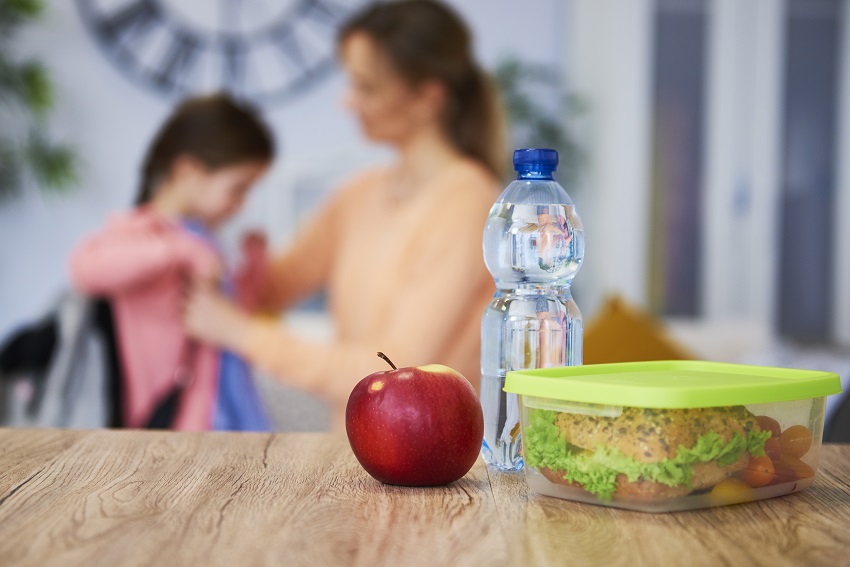
Packing school lunches used to be simple. Now food prices keep rising. Kids want variety. And parents want healthy meals that don’t drain the budget. That’s why cheap healthy school lunches matter more than ever. With a little planning, you can save money and still send lunches your kids will actually eat.
No fancy ingredients. No complicated prep. Just real food, smart choices, and budget-friendly ideas that work for busy families.
Why Cheap Healthy School Lunches Matter
School lunches affect more than hunger. They impact focus, energy, and mood. When kids eat balanced meals, they learn better and feel better. But buying packaged lunch foods every week gets expensive fast.
Cheap healthy school lunches help you:
- Cut weekly food costs
- Avoid ultra-processed foods
- Keep kids full until dinner
- Reduce food waste
And yes, it’s possible to do all of this without spending hours in the kitchen.
What Makes a School Lunch Cheap and Healthy
A good lunch doesn’t need to look fancy. It needs balance.
A budget-friendly healthy lunch usually includes:
- A simple protein (eggs, beans, yogurt, chicken)
- A filling carb (rice, bread, pasta, tortillas)
- Fruits or vegetables (fresh, frozen, or canned)
- Healthy fats in small amounts (peanut butter, olive oil)
The goal is food that keeps kids full, not snacks that spike sugar and crash energy.
Smart Shopping Tips to Save Money
Before packing lunches, saving starts at the store.
Buy store brands
They are often the same quality for less.
Shop seasonal produce
Seasonal fruits and vegetables are cheaper and taste better.
Use frozen foods
Frozen veggies and fruit are just as nutritious and last longer.
Plan around sales
Build lunches using what’s already on sale instead of buying random items.
Avoid single-serve packs
Large tubs of yogurt, cheese blocks, and bulk snacks cost much less per serving.
Easy Cheap Healthy School Lunch Ideas
These lunches are simple, filling, and low cost.
Sandwich alternatives
- Peanut butter and banana sandwich
- Egg salad on whole wheat bread
- Bean and cheese wraps
Hot lunches in a thermos
- Rice with lentils and veggies
- Pasta with simple tomato sauce
- Chicken and vegetable stir-fry
Protein-packed options
- Hard-boiled eggs
- Yogurt with fruit
- Chickpea salad
Snack sides
- Apple slices
- Carrot sticks
- Popcorn made at home
These ideas use basic ingredients and keep lunch costs low.
Meal Prep Tips That Actually Save Time
Meal prep doesn’t mean cooking everything at once. Keep it simple.
- Cook extra dinner and pack leftovers
- Boil eggs for the week in one batch
- Wash and cut fruits once, not daily
- Use the same base food in different ways
For example, roasted chicken can become sandwiches, wraps, or rice bowls.
How to Keep Kids Full Until Dinner
If kids come home starving, the lunch needs more substance.
To make lunches more filling:
- Add protein to every lunch
- Use whole grains instead of white bread
- Include healthy fats in small amounts
- Avoid sugary snacks as main items
Cheap healthy school lunches work best when they balance energy, not just calories.
Common Mistakes That Waste Money
Many families spend more than needed without realizing it.
Avoid these mistakes:
- Buying packaged “lunchbox” foods
- Packing too many snacks instead of real food
- Making new meals daily instead of reusing leftovers
- Letting food spoil in the fridge
Simple planning saves both food and money.
Sample Low-Cost Weekly School Lunch Plan
Here’s a realistic example:
- Monday: Peanut butter sandwich, apple, popcorn
- Tuesday: Rice and beans, frozen veggies, orange
- Wednesday: Egg salad sandwich, carrot sticks
- Thursday: Pasta leftovers, yogurt
- Friday: Bean wrap, banana
This kind of plan keeps costs low and nutrition high.
Final Thoughts
Cheap healthy school lunches are not about perfection. They’re about consistency. Small changes add up. Planning ahead, using basic ingredients, and avoiding packaged foods can save a lot of money over time.
Start with one week. Try a few ideas. Adjust based on what your kids eat and enjoy. Healthy lunches don’t need to be expensive to work.
If you want to save money and keep kids full, this is one habit worth building.
What are the cheapest healthy foods for school lunches?
Eggs, rice, beans, oats, peanut butter, yogurt, bananas, apples, carrots, and frozen vegetables are some of the cheapest healthy options. They’re filling and easy to use in many lunches.
How much should a cheap healthy school lunch cost per day?
A homemade school lunch can cost between $1 and $2 per day if you plan ahead and avoid packaged foods. Many families spend more just because of snacks and convenience items.
Are homemade school lunches healthier than store-bought ones?
Most of the time, yes. Homemade lunches usually have less sugar, less sodium, and more real food. You also control portions and ingredients.
How can i make healthy school lunches kids will actually eat?
Involve kids in choosing meals. Keep flavors simple. Rotate favorites instead of changing everything at once. Familiar foods work better than “perfect” meals.
What are good cheap protein ideas for school lunches?
Eggs, beans, lentils, peanut butter, yogurt, canned tuna, and leftover chicken are affordable and filling protein sources.
Is meal prepping school lunches really worth it?
Yes. Even light meal prep saves time and money. Cooking once and packing for several days reduces stress and food waste.
Can cheap school lunches still be filling?
Yes. The key is protein and whole grains. When lunches include both, kids stay full longer and snack less after school.
How do i avoid food waste when packing lunches?
Pack foods your kids already like. Use leftovers. Keep portions realistic. And adjust weekly based on what comes back uneaten.