Getting enough protein is crucial—whether you’re building muscle, maintaining a healthy weight, or simply staying full and energized. But the idea that a high-protein diet has to be expensive is a myth. With intelligent planning and strategic shopping, you can create a weekly menu full of cheap high-protein meals that are both nutritious and kind to your wallet.
This ultimate guide will provide everything you need to succeed, including:
- Affordable protein sources
- Delicious, budget-friendly recipe ideas
- How to meal prep to save money and time
- Smart shopping strategies
- Answers to frequently asked questions
Why Cheap High-Protein Meals Are a Smart Strategy
Protein is essential for muscle repair, growth, and keeping hunger pangs at bay. While premium cuts of meat and specialty supplements can be costly, high-quality protein doesn’t have to come with a high price tag. Embracing budget high-protein foods is more than a frugal choice—it’s a intelligent nutrition strategy that can help you reach your fitness goals, reduce food waste, and feel your best.
Top Budget-Friendly Protein Sources
Building cheap high-protein meals starts with the right ingredients. Here are the best low-cost protein options to stock up on.
Animal-Based Proteins
- Eggs: One of the cheapest and most versatile complete protein sources available.
- Canned Tuna & Fish: An affordable, shelf-stable source of quality protein and healthy fats.
- Frozen Chicken: Buying chicken breasts, thighs, or ground meat frozen helps reduce cost and waste.
- Ground Turkey: Often more affordable than lean beef and incredibly versatile for various dishes.
- Dairy: Cottage cheese, Greek yogurt, and milk are affordable, protein-dense options.
Plant-Based Proteins
- Lentils and Beans: Extremely cost-effective, especially when bought dried, and packed with both protein and fiber.
- Tofu: A versatile, shelf-stable (when refrigerated), and budget-friendly complete protein.
- Edamame: Frozen edamame is a complete plant protein that is often very cheap.
- Seeds & Nut Butters: Peanut butter, sunflower seeds, and pumpkin seeds add extra protein affordably to meals and snacks.
- Whole Grains: While not purely protein, quinoa, oats, and barley contribute a fair amount and pair perfectly with other sources.
7 Smart Strategies to Save Money on High-Protein Foods
Maximize your protein intake without blowing your budget with these proven tactics.
- Batch Cook & Meal Prep: Making large batches of protein-rich meals saves both time and money. Cookovia
- Leverage Frozen & Canned Options: Use frozen meats and canned fish to reduce cost and prevent spoilage. Healthline
- Buy in Bulk: Stock up on lentils, beans, oats, and other staples when they’re on sale. Faith~N~Fit
- Mix Protein Sources: Stretch expensive proteins like meat by combining them with cheaper plant proteins like lentils or beans.
- Use Cost-Per-Protein Metrics: Calculate which foods give you the most grams of protein per dollar to make the smartest purchases.
- Reduce Food Waste: Use leftovers creatively—turn extra lentils into soup or use leftover chicken in a salad. New York Post
- Prioritize Satiety: Protein-rich meals help you feel fuller for longer, which can naturally reduce your overall food consumption. Health.com
6 Easy & Cheap High-Protein Meal Ideas
These tasty, affordable meals deliver serious protein without straining your budget.
1. Lentil & Egg Power Bowl
- Ingredients: ½ cup cooked lentils (~9g protein), 2 boiled eggs (~12g protein), greens, and your favorite spices.
- Why It Works: Lentils are super cheap and filling. Paired with eggs, this bowl provides a solid dose of complete protein for lasting energy.
- Estimated Cost: ~$2.50 per bowl.
2. Tuna & Chickpea Salad
- Ingredients: 1 can of tuna (~25g protein), ½ cup boiled chickpeas (~7g protein), celery, mustard, and lemon.
- Why It Works: Canned tuna is shelf-stable and protein-packed, while chickpeas add fiber and texture for a hearty, no-cook meal.
- Estimated Cost: ~$3.50 per meal.
3. Chicken Stir-Fry with Rice
- Ingredients: 4 oz chicken breast (~35g protein), ½ cup cooked rice, and a frozen vegetable mix with soy sauce and garlic.
- Why It Works: Using frozen vegetables and rice stretches your protein source, creating a balanced, satisfying, and cheap high-protein meal.
- Estimated Cost: ~$4.50.
4. Tofu & Quinoa Bowl
- Ingredients: ½ block of firm tofu (~20g protein), ½ cup cooked quinoa (~8g protein), broccoli, and a sauce like soy sauce or sriracha.
- Why It Works: This is a 100% plant-based meal with complete protein. Tofu absorbs flavors beautifully, and quinoa adds a pleasing texture.
- Estimated Cost: ~$3.75.
5. Ground Turkey Lettuce Wraps
- Ingredients: 3 oz ground turkey (~22g protein), large lettuce leaves, shredded carrots, and 1 boiled egg on the side (~6g protein).
- Why It Works: Lettuce wraps create a low-carb, high-protein lunch or dinner. Adding a boiled egg on the side effortlessly boosts your protein intake further.
- Estimated Cost: ~$4.75.
6. Greek Yogurt & Oat Parfait
- Ingredients: 1 cup plain Greek yogurt (~20g protein), ½ cup oats (~5g protein), and 2 tbsp peanut butter (~8g protein).
- Why It Works: This parfait is a breakfast powerhouse. It’s super filling and loaded with protein from three different, affordable sources.
- Estimated Cost: Very low, especially if you buy ingredients in bulk.
How to Meal-Prep Cheap High-Protein Meals for the Week
A simple weekly meal prep workflow makes eating well effortless and affordable.
- Pick 2-3 Core Proteins: Choose a mix, like chicken (animal-based) and lentils (plant-based).
- Cook in Bulk: Bake chicken, boil a large batch of lentils or beans, and pan-sear tofu.
- Prep Your Grains: Cook a big pot of rice, quinoa, or oats to use as a base for your meals.
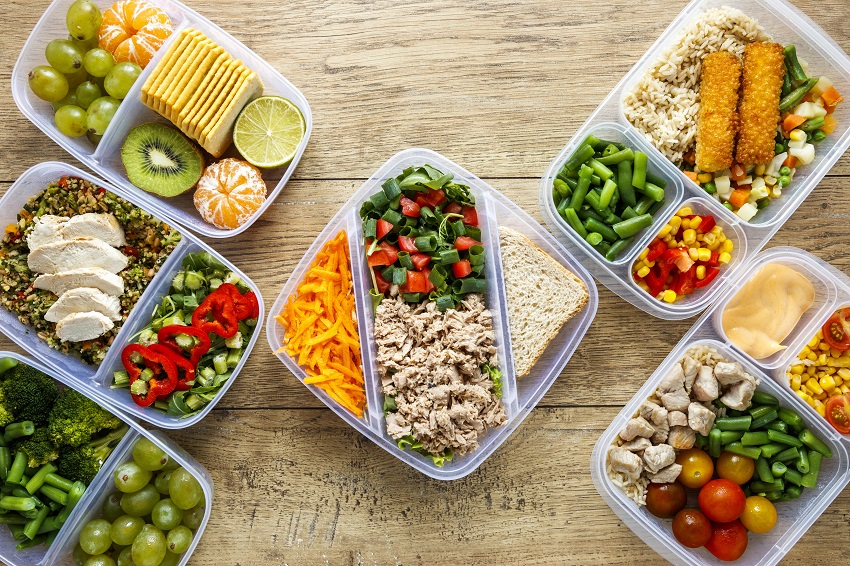
- Portion Meals: Use meal prep containers to divide proteins, grains, and veggies into ready-to-go meals.
- Use Leftovers Wisely: Transform extra lentils into soup or use leftover chicken in wraps.
- Freeze Extras: Freeze any meat, beans, or cooked meals you won’t eat within 3-4 days to prevent waste.
Your High-Protein, Low-Cost Shopping List
Here is a sample grocery list to kickstart your week of cheap high-protein meals (prices are approximate and will vary).
| Item | Why It’s a Great Value |
|---|---|
| Dried Lentils/Beans | Extremely low cost per serving when bought in bulk. |
| Eggs (dozen) | One of the cheapest complete proteins available. |
| Canned Tuna | Shelf-stable, protein-dense, and always ready to eat. |
| Frozen Chicken | Buying frozen or value cuts reduces cost significantly. |
| Ground Turkey | Often cheaper than beef with a great protein yield. |
| Firm Tofu | An affordable and versatile plant-based protein. |
| Greek Yogurt (Tub) | Buying a large tub is better value than single-serve cups. |
| Quinoa / Oats | Multi-use whole grains that add bulk and protein to meals. |
| Frozen Vegetables | Cost-effective, nutritious, and reduce waste. |
| Peanut Butter | Great for adding protein to snacks, smoothies, and breakfasts. |
The Benefits of Eating Cheap High-Protein Meals
- Saves Money: Focusing on cost-efficient proteins and buying in bulk drastically reduces your weekly food bill.
- Boosts Nutrition: Supports muscle health, increases satiety, and aids in recovery after activity.
- Reduces Waste: Batch cooking and freezing leftovers mean less food ends up in the trash.
- Diet Flexible: This approach works perfectly for omnivores, vegetarians, and flexitarians alike.
- Saves Time: Spending a few hours on meal prep saves countless hours during a busy week.
Frequently Asked Questions (FAQs)
Q1: Can I get enough protein from only plant-based foods on a tight budget?
A: Absolutely. Foods like lentils, beans, tofu, and edamame are incredibly cost-effective and protein-dense. By planning your meals around these staples and combining them with grains, you can easily meet your daily protein needs.
Q2: Is canned tuna a healthy source of protein?
A: Yes, canned tuna is an excellent source of high-quality, shelf-stable protein. It’s also versatile, affordable, and easy to add to salads, wraps, or pasta dishes.
Q3: Are eggs the cheapest protein source?
A: Eggs remain one of the most affordable sources of complete protein per gram. They are also easy to prepare and can be used in a vast array of cheap high-protein meals.
Q4: How can I boost protein without meat?
A: Mix plant proteins (beans, lentils) with grains, or incorporate dairy like Greek yogurt and cottage cheese. For snacks, peanut butter or a handful of seeds are perfect for an extra protein kick.
Q5: Does buying in bulk really save money?
A: Yes, buying staples like dried beans, lentils, oats, and frozen meat in bulk significantly reduces your cost per serving. It also streamlines meal prep and helps minimize packaging waste.
Q6: How do I prevent waste when prepping protein in bulk?
A: Portion cooked meals into containers and freeze what you won’t eat within 3-4 days. Cook grains and proteins in large batches, but be realistic about what you can consume fresh, and freeze the rest immediately.
Final Thoughts
A high-protein diet does not have to cost a fortune. By choosing affordable, nutrient-dense proteins like lentils, eggs, canned tuna, tofu, and smart cuts of meat, you can build meals that powerfully support your health and fitness goals without draining your wallet.
Focus on batch-cooking, strategic shopping, and creatively mixing different protein sources. With just a little planning, you can enjoy cheap, satisfying, and protein-packed meals all week long—fueling your body and your budget simultaneously.