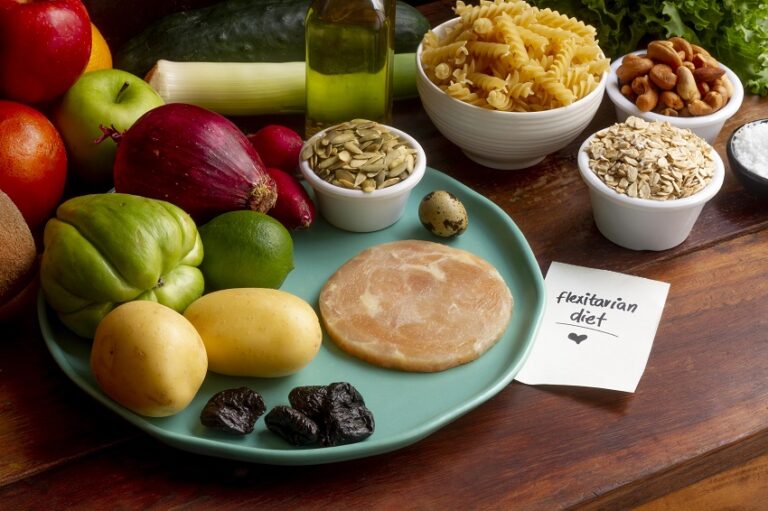
Feeding your family nutritious, wholesome food is a top priority, but it doesn’t mean you have to splurge on expensive, trendy “superfoods.” In fact, some of the most powerful, nutrient-dense foods are also among the most budget-friendly. By focusing on accessible, affordable options, you can build a healthy eating plan that works for both your wallet and your family’s well-being.
This ultimate guide will walk you through everything you need to know about incorporating cheap superfoods into your family’s diet. We’ll cover what makes a food “super,” why budget-friendly options are a smart choice, and provide a detailed list of top picks. Plus, we’re sharing practical strategies for shopping, storing, and creating delicious kid-friendly superfood meals that everyone will love.
What Is a Superfood – and Why “Cheap” Matters for Families
Before we dive into our list, let’s clear up what we’re talking about. Understanding the “why” behind these choices can empower you to make smarter decisions at the grocery store.
Defining “Superfoods”
The term “superfood” is more of a popular buzzword than a strict scientific classification. Generally, it refers to foods that are exceptionally dense in vitamins, minerals, fiber, antioxidants, or other health-supporting nutrients. While dietitians rightly caution against relying on any single “magic” food, incorporating a variety of these nutritional powerhouses into a balanced diet can significantly boost your family’s health.
Why Budget Superfoods Are a Smart Family Choice
Choosing affordable superfoods isn’t just about saving money—it’s about sustainable, practical family nutrition. Here’s why they make perfect sense:
- High Nutritional Return on Investment: You get a massive bang for your buck. Many of these staples deliver an incredible concentration of nutrients for a very low cost per serving.
- Everyday Practicality: Family meals need to be easy, filling, and manageable. Expensive, exotic superfoods can be intimidating and impractical for daily use, while budget staples are familiar and versatile.
- Sustainability: Affordable staples like lentils, beans, and grains often have a lower environmental footprint compared to high-priced imported foods.
- Long Shelf-Life: Many cheap superfoods are shelf-stable (like dried legumes and oats) or freezer-friendly (like frozen spinach and berries), which helps reduce food waste and makes bulk buying a worthwhile strategy.
Top Cheap Superfoods for Your Family’s Pantry
Here is our curated list of the most nutrient-rich, budget-friendly superfoods that are perfect for families. Each one offers a strong nutritional punch without the high price tag.
1. Lentils & Other Legumes
A true powerhouse, lentils are packed with plant-based protein, fiber, iron, and B vitamins.
- Why They’re Great: Dried lentils are incredibly cheap, store for ages in your pantry, and cook quickly without needing pre-soaking.
- How to Use Them: Make hearty lentil soups and stews, form them into patties for burgers, or add them to rice and grain bowls for a complete protein.
2. Eggs
Eggs are arguably the most cost-effective source of high-quality protein available.
- Nutrition Highlights: They are rich in choline for brain health, B vitamins for energy, and healthy fats.
- Family-Friendly Uses: Whip up scrambled eggs for breakfast, keep boiled eggs for easy snacks, or mix them into fried rice, pasta, and casseroles.
3. Oats
Rolled or steel-cut oats are affordable, incredibly filling, and packed with nutrition.
- Key Nutrients: They are an excellent source of beta-glucan fiber, which is fantastic for heart health, as well as minerals like iron and magnesium.
- Ways to Eat: Prepare simple overnight oats, warm porridge, or blend oats into pancake batter or homemade energy balls.
4. Sweet Potatoes
This vibrant root vegetable is a budget-friendly complex carbohydrate loaded with beta-carotene (which converts to Vitamin A), fiber, and antioxidants.
- Benefits: Supports eye health, boosts immunity, and aids digestion.
- Cooking Ideas: Roast them, mash them, bake them into healthy “fries,” or add diced sweet potato to soups and chilies.
5. Bananas
Available year-round at a low cost, bananas are one of the most accessible superfood fruits.
- Nutrition: They provide a great dose of potassium for muscle function, vitamin B6, fiber, and natural energy-boosting sugars.
- Ways to Use: Eat them fresh, freeze them for creamy smoothies, or mash them into pancakes and baked goods as a natural sweetener.
6. Leafy Greens (Spinach, Kale, Cabbage)
Dark leafy greens are loaded with essential vitamins A, C, and K, along with iron and folate.
- The Frozen Option: Frozen spinach is often cheaper than fresh and retains its nutrients perfectly, making it a freezer staple.
- Serving Ideas: Easily add handfuls to smoothies, soups, omelets, and pasta sauces where they wilt down seamlessly.
7. Canned Fish (Sardines, Tuna)
Canned fish offers a high-quality source of omega-3 fatty acids, protein, and vitamin D at a fraction of the cost of fresh fish.
- Why Choose It: It has a long shelf life, requires no special storage, and is incredibly nutrient-dense.
- Family Meals: Mix flaked tuna or sardines into pasta, make a simple fish salad for sandwiches, or add to grain bowls.
8. Brown Rice & Whole Grains
Brown rice, millet, and other whole grains provide sustained energy through complex carbohydrates, fiber, and B vitamins.
- Benefits: They are more filling than refined grains and provide steady energy for busy, active kids.
- How to Eat: Use as a base for buddha bowls, in stir-fries, or paired with beans or lentils to create a complete protein.
9. Peanuts & Peanut Butter
Peanuts (and natural peanut butter) are a fantastic source of plant-based protein, healthy fats, and vitamin E.
- Cost Efficiency: They are typically much cheaper per serving than more “premium” nuts like almonds or walnuts.
- Uses: Spread on whole-wheat toast, swirl into oatmeal, or use as a base for savory peanut sauces in stir-fries.
10. Tomatoes (Canned or Fresh)
Tomatoes, whether fresh or canned, deliver a powerful dose of vitamin C and the antioxidant lycopene.
- Value & Convenience: Canned tomatoes are incredibly affordable, have a long shelf life, and are just as nutritious as fresh, especially for cooking.
- Meal Ideas: They form the foundation of soups, stews, pasta sauces, and homemade salsas.
11. Cayenne Pepper & Spices
Spices like cayenne do more than add flavor—they offer serious health benefits for pennies per serving.
- Why Include Them: The capsaicin in cayenne can boost metabolic health and reduce inflammation, all while making simple meals exciting.
- How to Use: A pinch can elevate eggs, soups, roasted vegetables, and even bean dips.
12. Green Tea
Affordable and antioxidant-rich, green tea is one of the most cost-effective “superfood” drinks you can buy.
- Health Perks: It contains polyphenols that may support metabolism, heart health, and immunity.
- How to Drink: Brew a large pitcher to enjoy iced, or have a warm cup in the afternoon.
13. Dark Chocolate (70%+)
Yes, a treat can be a superfood! High-quality dark chocolate with a cacao content of 70% or more provides potent antioxidants.
- Moderation is Key: A small square satisfies a sweet tooth and delivers benefits without overloading on sugar or blowing your budget.
Smart Shopping & Meal Planning Strategies for Families
To make the most of these cheap superfoods, you need a game plan. Here are practical tips to maximize your budget and minimize waste.
Buy in Bulk for Major Savings
Purchase dried legumes (lentils, beans), oats, and whole grains from the bulk bins. This dramatically reduces the cost per serving. Store them in airtight containers to preserve freshness and protect against pantry pests.
Embrace Frozen Produce
Don’t overlook the freezer aisle! Frozen vegetables like spinach, broccoli, and berries retain most of their nutrients and are often significantly cheaper than their fresh counterparts, especially when out of season. They are perfect for smoothies, soups, and stir-fries.
Shop Seasonally and Locally
Buy fruits and vegetables when they are in season for the lowest prices and best flavor. Visit local farmers’ markets or look into Community-Supported Agriculture (CSA) programs for fresh, affordable, and local produce.
Utilize Canned and Preserved Foods
Canned fish, beans, and tomatoes are affordable, long-lasting, and incredibly convenient. To make the healthiest choice, look for low-sodium or “no salt added” versions of canned beans and vegetables, and fish packed in water.
Master Meal Planning and Batch Cooking
Dedicate a few hours on the weekend to batch cooking. Make large batches of lentil soup, a big pot of rice and beans, or sweet potato chili. Store leftovers for quick lunches or dinners throughout the week, saving both time and money.
Mix and Match for Complete Nutrition
Create balanced, nutrient-rich plates by combining food groups. A simple formula is: Legumes (Protein) + Whole Grains (Carbs) + Greens (Vitamins). Don’t forget to use spices generously—they are a low-cost way to upgrade flavor and add extra micronutrients.
Kid-Friendly Superfood Meal Ideas Your Family Will Love
Getting kids to eat healthy can be a challenge, but these tasty ideas make it easy.
- Hearty Lentil & Sweet Potato Stew: A comforting one-pot meal with brown lentils, diced sweet potato, canned tomatoes, spinach, and warm spices.
- Overnight Oats Banana Parfait: Layer rolled oats soaked in milk or yogurt with sliced bananas and a sprinkle of crushed peanuts or a dollop of peanut butter.
- Simple Sardine Pasta: Toss whole-grain pasta with flaked canned sardines, cherry tomatoes, a bit of garlic, and a splash of olive oil.
- Power-Up Egg & Greens Scramble: Scramble eggs with frozen spinach and diced tomatoes. Serve on whole-wheat toast or with a side of brown rice.
- Baked Sweet Potato Fries with Bean Dip: Serve baked (not fried) sweet potato fries with a creamy, seasoned chickpea or lentil dip.
Frequently Asked Questions (FAQs) About Cheap Superfoods
Q1: What’s the real difference between “superfoods” and just regular healthy food?
“Superfood” is not a regulated term. It’s primarily a marketing label used to highlight everyday foods that are exceptionally nutrient-dense. The key to a healthy diet isn’t obsession over one or two superfoods, but rather consistency and variety across all food groups.
Q2: How can I stretch a very small food budget and still eat these superfoods?
- Prioritize bulk purchases (lentils, oats, brown rice).
- Make frozen vegetables your go-to.
- Base your weekly meal plan around cheap staples like beans and eggs.
- Incorporate plant-based proteins, which are often cheaper than meat, into several meals each week.
Q3: Are canned foods, like sardines or tomatoes, still healthy?
Absolutely. The canning process preserves the nutrients. Canned fish is rich in omega-3s and protein, and canned tomatoes are an excellent source of the antioxidant lycopene. For the healthiest option, choose low-sodium or no-salt-added versions when available.
Q4: Can kids actually enjoy and benefit from these cheap superfoods?
Without a doubt! Foods like lentils (in soups), eggs (scrambled), bananas (in smoothies), and sweet potatoes (as fries) are naturally kid-friendly. They provide the essential nutrients needed for growth, development, and sustained energy throughout the day.
Q5: Do I need to buy expensive “superfood” powders or supplements?
Not at all. Whole foods like lentils, oats, and spinach offer a complex matrix of fiber, vitamins, and minerals that powders can’t fully replicate. Supplements can have their place, but they should not replace a balanced diet built on affordable, real foods.
Building Your Family’s Health, One Affordable Bite at a Time
Prioritizing cheap superfoods is an excellent, sustainable strategy for families who want to eat healthily without overspending. These foods are not only nutrient-rich—they’re versatile, accessible, and designed to last. By building your meals around legumes, whole grains, seasonal produce, and simple pantry staples, you can give your family the profound health benefits of “superfoods” without the premium price tag.
Start small. Pick two or three superfoods from this list, incorporate them into your weekly meal plan, and gradually build your family’s superfood pantry. Your wallet—and your family’s health—will thank you for years to come.