Fastest Ways to Stop Overspending

Fastest Ways to Stop Overspending

Overspending is the silent dream killer. It’s the gap between financial stress and financial freedom, the barrier that keeps countless individuals from achieving true stability and wealth. Even small, frequent purchases—the daily latte, the impulsive online cart, the unused subscription—can compound with devastating speed, leading to debt, anxiety, and missed opportunities. But the cycle can be broken, and faster than you might think. This comprehensive guide is your blueprint. We’re not just discussing slow changes; we’re focusing on the fastest ways to stop overspending and reclaim control of your financial destiny. From instant behavioral fixes to powerful mindset shifts, these actionable strategies are designed to deliver immediate results, helping you build savings, eliminate debt, and secure your financial future starting today.

Why We Overspend: Understanding the Root Causes

Before deploying solutions, we must diagnose the problem. Overspending is rarely just about a lack of willpower; it’s a complex behavior driven by psychology, habit, and environment. Common triggers include emotional spending (retail therapy for stress, boredom, or sadness), social pressure (“keeping up with the Joneses”), and the sheer convenience of digital payments, which disconnects us from the physical reality of money. Furthermore, a lack of clear financial goals or a tangible budget makes it easy to justify “just this once” purchases that quickly become a pattern. Recognizing your personal triggers is the critical first step toward taking control of your finances rapidly.

The Fast-Track Action Plan to Curb Overspending Immediately

This plan is designed for speed and impact. Implement these steps to see a change in your spending habits within days.

1. Conduct a 30-Day Financial Autopsy: Track Every Penny

You cannot manage what you do not measure. For the next 30 days, commit to tracking every single expense. This isn’t about judgment; it’s about awareness.

  • How: Use a budgeting app like Mint or PocketGuard that syncs to your accounts for automatic tracking, or go old-school with a dedicated notebook.
  • Categorize: Split expenses into “Essentials” (rent, utilities, groceries) and “Non-Essentials” (dining, entertainment, shopping).
  • Analyze: After 30 days, review the data. Where are the leaks? You’ll likely find surprising patterns—like excessive spending on food delivery or recurring subscriptions you’ve forgotten. This immediate awareness is your most powerful tool to stop overspending fast.

2. Set S.M.A.R.T. Financial Goals for Instant Motivation

Vague desires don’t change behavior. Specific targets do. Setting clear financial goals provides a compelling “why” that makes it easier to say “no” to impulsive buys.

  • Make them S.M.A.R.T: Specific, Measurable, Achievable, Relevant, Time-bound.
  • Examples:
    • “Build a $500 emergency fund in 45 days.”
    • Pay off $1,000 of credit card debt in 3 months.”
    • Save $200 per month for a vacation fund.”
      Having these tangible targets turns abstract saving into a focused mission. Every dollar you choose not to spend impulsively becomes a direct contribution to your goal, creating positive reinforcement.

3. Create a Realistic & Flexible Budget You Can Actually Stick To

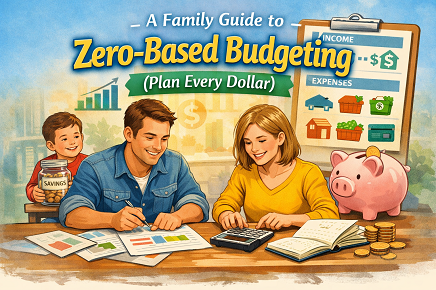
A budget that feels like a prison will fail. Your budget should be a roadmap, not a straitjacket. The 50/30/20 rule is a superb, simple framework to start:

  • 50% for Needs: Housing, groceries, utilities, minimum debt payments.
  • 30% for Wants: Dining out, hobbies, shopping, entertainment.
  • 20% for Savings & Debt Repayment: Emergency fund, retirement, extra debt payments.
    Automate this process where possible. Apps like YNAB (You Need A Budget) or your bank’s built-in tools can categorize spending in real-time and send alerts when you approach category limits. This instant feedback loop is one of the fastest ways to stop overspending.

Fast-Acting Behavioral Hacks to Stop Impulse Spending

Impulse purchases are the arch-nemesis of financial control. These strategies create crucial friction between the urge to buy and the action.

Implement the 24-Hour Rule

For any non-essential purchase over a set amount (e.g., $25), enforce a mandatory 24-hour waiting period. Often, the urge to buy fades completely, saving you money instantly.

Go Cash-Only for Discretionary Spending

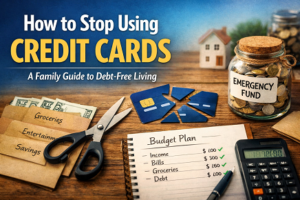
The cash envelope system is a profoundly effective, tangible method. Withdraw cash for your “Wants” categories (e.g., dining, entertainment). When the “Eating Out” envelope is empty, you’re done for the month. Physically seeing and feeling the money deplete is a powerful psychological deterrent against overspending.

Digitally Detox Your Spending Triggers

  • Unsubscribe from all retail marketing emails and promotional texts.
  • Delete shopping apps from your phone, or at least log out and disable one-click purchasing.
  • Avoid “window shopping” online or in malls when bored. Find a different activity.

Optimize Your Finances: Cut the Fat and Build Security

Speed comes from addressing both spending and your financial foundation.

Audit and Slash Recurring Expenses

Recurring expenses are silent budget killers. Conduct a quarterly audit of your bank and credit card statements. Cancel unused subscriptions (streaming services, apps, gym memberships). Negotiate bills like cable, internet, or insurance. Freeing up this cash is a quick win that compounds monthly.

Build a Mini Emergency Fund ASAP

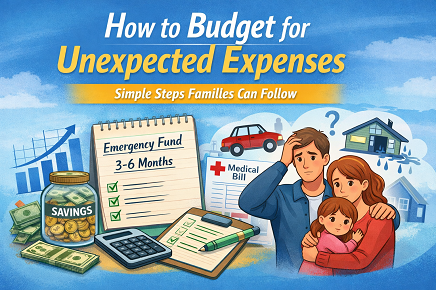
Financial stress is a major overspending trigger. A small safety net breaks the cycle. Aim for a starter emergency fund of $500-$1,000. This buffer prevents you from reaching for a credit card when an unexpected car repair or medical bill arises, thereby avoiding new debt and the stress that leads to more impulsive spending.

Sustain Your Success: Mindset and Long-Term Strategy

Stopping overspending isn’t a one-time event; it’s a lifestyle shift sustained by the right mindset and habits.

Crush Lifestyle Inflation

When you get a raise or bonus, consciously decide its purpose before it hits your account. Automatically divert a significant percentage (e.g., 50%) to savings, investments, or debt. This prevents lifestyle inflation—where increased earnings are instantly absorbed by upgraded spending—keeping your financial progress on the fast track.

Leverage Technology as Your Accountability Partner

Use technology to stay accountable. Apps like Truebill or PocketGuard do more than track; they analyze your habits, spot subscriptions, and can even negotiate bills for you. Set up low-balance alerts and weekly spending summaries to maintain constant, effortless awareness.

Cultivate a Wealth-Building Mindset

Ultimately, changing your mindset around money is the fastest path to lasting change.

  • Reframe money as a “tool for freedom” rather than a means for instant gratification.
  • Celebrate non-spending victories. Saved $50 by skipping a night out? Acknowledge that win!
  • Visualize your long-term goals—a debt-free life, a down payment, a secure retirement. When your daily choices are connected to these powerful visions, overspending loses its appeal.

Fast-Acting Strategies Summary: Your Quick-Reference Checklist

For immediate implementation, here’s a recap of the fastest ways to stop overspending:

  1. Track & Analyze: Monitor all spending for 30 days to identify leaks.
  2. Goal-Set: Define S.M.A.R.T. financial targets for motivation.
  3. Budget Smart: Use the 50/30/20 rule with a user-friendly app.
  4. Curb Impulses: Enforce the 24-hour rule and use cash envelopes.
  5. Cut Recurring Costs: Audit and cancel unnecessary subscriptions.
  6. Build a Buffer: Start a $500 emergency fund immediately.
  7. Avoid Inflation: Direct new income to goals, not lifestyle creep.
  8. Use Tech: Employ budgeting apps for real-time accountability.
  9. Shift Mindset: View money as a freedom tool, not just for spending.

By combining these tactical steps with a shift in perspective, you can stop overspending fast, reduce financial stress, and build a future of abundance and security.

Frequently Asked Questions (FAQ)

Q1: What is the single fastest way to stop overspending?
A: The fastest single action is to implement the 24-hour rule for all non-essential purchases and simultaneously cancel 3 unused subscriptions today. This combo creates immediate behavioral friction and frees up cash instantly.

Q2: Why do I keep overspending even when I have a budget?
A: This often points to a budget that’s too rigid or a disconnect between your budget and emotional spending triggers. Revise your budget to be more realistic in flexible categories and pair it with the cash envelope system to create a physical spending limit.

Q3: Are budgeting apps truly effective for stopping overspending?
A: Absolutely. Apps like Mint, YNAB, and PocketGuard are effective because they provide real-time visibility, automate tracking, and send alerts. This constant feedback creates instant accountability, making it much harder to overspend unconsciously.

Q4: How much should I have in savings to prevent overspending?
A: Even a small emergency fund of $500-$1,000 can drastically reduce the financial anxiety that leads to impulsive spending. It breaks the panic cycle of unexpected expenses, providing psychological security that supports smarter spending choices.

Q5: Can changing my mindset really help me spend less money quickly?
A: Yes, mindset is the accelerator. When you consciously shift to view money as a tool for long-term goals—like security, experiences, and freedom—every spending decision becomes a deliberate choice for or against that future. This focused intentionality can reduce unnecessary spending almost immediately.

Leave a Comment

Your email address will not be published. Required fields are marked *

Scroll to Top