freezer-cooking-beginners

Freezer Cooking for Beginners: Stress-Free Meal Prep

Tired of the daily dinner scramble? If you’re sick of rushing through weeknights, blowing your budget on takeout, or staring into the fridge wondering what to cook, freezer cooking for beginners is the game-changing solution you’ve been searching for.

This powerful method of meal prep allows you to prepare delicious, healthy meals in advance, store them safely, and enjoy ready-to-eat dishes whenever you need them. Imagine coming home to a freezer stocked with homemade meals—no compromise on flavor or nutrition required.

Whether you’re a busy parent, a working professional, or simply someone looking to simplify your life, this comprehensive guide will build your confidence and have you meal prepping like a pro.

Why Freezer Cooking Matters More Than Ever

In our fast-paced world, freezer cooking is no longer a luxury; it’s a smart strategy for reclaiming your time, money, and sanity. It gives you the power to prepare meals in bulk and store them for days, weeks, or even months.

This approach is ideal for:

  • Families trying to save money on groceries and takeout.
  • Individuals committed to eating fast, healthy meals.
  • Anyone looking to eliminate last-minute dinner stress.

The best part? Once you understand the basics, maintaining a stocked freezer becomes an incredibly easy habit. You can fill it with delicious options—from hearty casseroles and comforting soups to marinated meats and ready-to-go breakfast burritos—all waiting to be heated and enjoyed.

What is Freezer Cooking? A Simple Definition

At its core, freezer cooking means preparing meals or meal components ahead of time and storing them in your freezer for later use. The beauty of this method is its flexibility. You can freeze:

  • Fully Cooked Meals: Like chili or lasagna, ready to reheat and eat.
  • Assembled, Uncooked Meals: Like a casserole you can pop straight from freezer to oven.
  • Prepped Ingredients: Like chopped onions, marinated chicken, or stir-fry kits for quick cooking.

The fundamental benefit is the “cook once, eat multiple times” principle. This gives beginners total freedom to choose what works best for their routine, time, and budget.

The Life-Changing Benefits of a Freezer Meal Plan

Adopting a freezer cooking routine comes with a cascade of advantages that will keep you motivated.

  1. Significant Cost Savings: You cut down grocery expenses by buying ingredients in bulk, buying what’s on sale, and using everything before it spoils.
  2. Massive Time Savings: You reclaim your weeknights. Since most cooking is done in one dedicated session, daily meal preparation is reduced to simple reheating.
  3. Healthier Eating Habits: You avoid the temptation of unhealthy fast food or processed meals because a nutritious, home-cooked meal is waiting for you.
  4. Reduced Stress & More Control: For busy households, it brings predictability and consistency, especially during chaotic weeks. You have complete control over ingredients, portion sizes, and dietary needs.

Your First Freezer Cooking Plan: A Step-by-Step Roadmap

Feeling overwhelmed? Don’t be. The key to successful freezer cooking for beginners is starting simple.

Start With a Simple Plan

Your first mission is to create a simple and manageable plan. Do not attempt to cook for a month on your first try.

  • Choose 3-5 Familiar Meals: Start with recipes your household already knows and loves. Avoid experimenting with complicated new dishes immediately.
  • Make a Focused Shopping List: Write down everything you need for those specific meals.
  • Schedule a Prep Day: Block out 2-3 hours on a weekend or a less busy day for your initial cooking session.
  • Decide: Full Meals or Components? Will you freeze complete dinners or just prepped components like chopped veggies or marinated meats?

Choosing the Right Freezer-Friendly Recipes

Not every recipe survives the freezing and thawing process well. As a beginner, focus on these foolproof categories:

  • Soups, Stews, and Chilies
  • Casseroles and Bakes (like lasagna or baked ziti)
  • Marinated Meats (chicken, beef) in freezer bags
  • Sauces (like marinara or bolognese)
  • Burritos and Wraps
  • Meatballs and Meatloaf
  • Slow Cooker Meals (add frozen to the slow cooker)

Foods to Avoid Freezing as a Beginner:

  • Dishes with mayonnaise, sour cream, or cream-based sauces (unless they are cooked, like in a casserole).
  • Fried foods (they become soggy).
  • High-water-content vegetables like lettuce, cucumbers, and radishes.
  • Raw potatoes (they can become grainy).

The Ultimate Freezer Cooking Shopping List

Knowing which ingredients freeze well is half the battle.

Best Ingredients for Freezer Cooking

Stock up on these freezer-friendly staples:

  • Proteins: Chicken breasts/thighs, ground turkey/beef, beef roasts, fish fillets (fattier fish like salmon freeze best), meatballs.
  • Vegetables: Corn, peas, carrots, broccoli, bell peppers, onions, spinach (blanched).
  • Grains & Legumes: Cooked rice, beans, lentils.
  • Dairy & Alternatives: Hard and semi-hard cheeses (cheddar, mozzarella), butter.
  • Basics: Broths, tomato paste, tortillas, bread.

Smart Ingredient Prep Tips

A little prep goes a long way in preserving quality.

  • Blanch Vegetables: Briefly boiling and then shocking veggies like broccoli and green beans in ice water preserves their color, texture, and flavor.
  • Undercook Pasta & Rice: If adding to a meal, cook them only about 75% of the way done to prevent mushiness upon reheating.
  • Cool Completely: Always allow hot foods to cool to room temperature before freezing to prevent ice crystals and freezer burn.
  • Portion Control: Divide meals into family-size or single-serve portions right away to prevent waste and make thawing easier.

Essential Freezer Cooking Tools & Equipment

You don’t need a kitchen full of fancy gadgets, but a few key tools are essential.

1. Containers & Bags: Your First Line of Defense

Quality storage is non-negotiable. Invest in:

  • Freezer-Safe Glass Containers: Oven-safe, reusable, and won’t stain.
  • High-Quality Freezer Bags: Look for the “freezer” label, not just “storage.” They are perfect for flat-freezing soups and marinated meats.
  • Silicone Freezer Trays: Ideal for portioning out sauces, baby food, or even pre-made smoothie packs.
  • Aluminum Foil Pans: Great for gifting meals or for casseroles you plan to bake and then dispose of the pan.

2. The Power of Freezer Labels

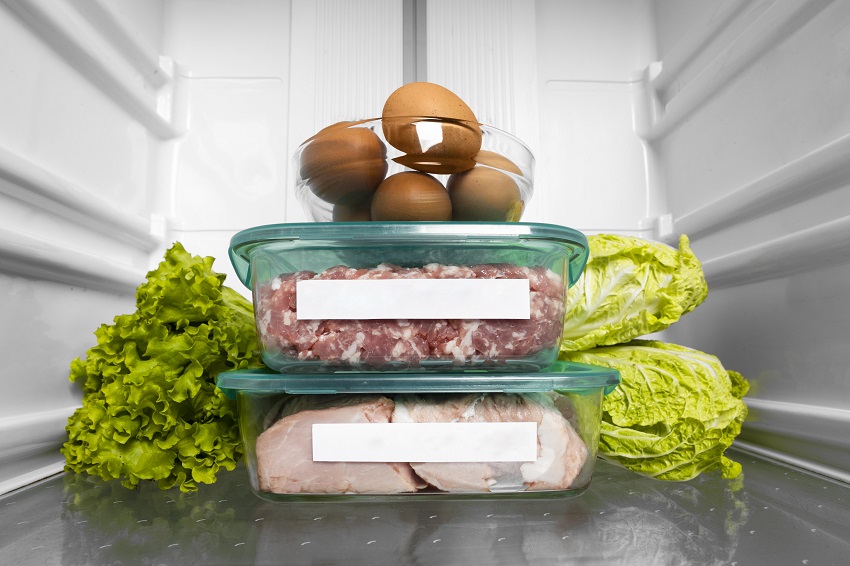
You will forget what’s in that unmarked container and when you made it. Label everything.

Use a permanent marker and include:

  • Name of the Dish
  • Date Prepared
  • Reheating Instructions (e.g., “Thaw, then bake at 375°F for 45 mins”)

3. Mastering Freezer Organization

An organized freezer saves time and reduces stress. Use the “first in, first out” principle.

  • Use Bins or Baskets: Group similar items together—e.g., a bin for meats, one for prepared meals, one for vegetables.
  • Place New Meals in the Back: Rotate older meals to the front so they get used first.
  • Keep an Inventory: A simple list on the freezer door can help you see at a glance what you have available.

The Step-by-Step Freezer Cooking Process

Follow this simple, repeatable process for stress-free prep days.

Step 1: Choose Your Recipes

Select 3-5 beginner-friendly freezer meals from the list below or your own repertoire.

Step 2: Create a Master Shopping List

Consolidate all ingredients from your chosen recipes into one list. Check your pantry first to avoid buying duplicates.

Step 3: The Big Shop

Head to the store and stick to your list. Buying in bulk often leads to better deals.

Step 4: Prep All Ingredients

This is an assembly line. Wash and chop all vegetables. Cook any ground meat. Shred cheese. Measure spices into small bowls. Having your mise en place ready makes assembly lightning-fast.

Step 5: Assemble Your Meals

Follow your recipes and assemble each meal in its designated container. Work methodically through one recipe at a time to stay efficient.

Step 6: Label and Freeze Immediately

As each meal is assembled, label it clearly and place it in the freezer. Avoid stacking warm containers; let them freeze solid first.

Storing and Reheating: A Food Safety Guide

Proper handling ensures your meals are not only delicious but also safe.

How Long Do Freezer Meals Last?

Most cooked freezer meals maintain optimal quality for 2-3 months. Some, like soups and stews, can last up to 6 months if vacuum-sealed or stored in truly airtight containers. Always rotate your stock.

Preventing Freezer Burn

Freezer burn occurs when air reaches the food’s surface, causing dehydration and oxidation.

  • Eliminate Air: Press all excess air out of freezer bags before sealing.
  • Use Airtight Lids: Ensure container lids snap on securely.
  • Cool Food First: As mentioned, never freeze steaming hot food.

Safe Thawing and Reheating Methods

Thawing Basics:

  • Refrigerator (Best Method): Place the frozen meal in the fridge for 24-48 hours.
  • Cold Water Bath: Submerge the sealed container or bag in cold water, changing the water every 30 minutes.
  • Microwave Defrost: Use the defrost setting only if you plan to cook the food immediately after.

Reheating for Best Results:

  • Oven/Toaster Oven: Best for casseroles, baked goods, and anything you want crispy. Reheat at 350°F until the internal temperature reaches 165°F.
  • Stovetop: Ideal for soups, stews, and sauces. Reheat over medium heat, stirring occasionally.
  • Microwave: Quick and convenient. Use a microwave-safe container and reheat in intervals, stirring in between for even heating.

The Best Freezer Recipes for Beginners

Ready to get started? Here are some of the easiest and most reliable make-ahead freezer meals.

Easy Dinner Ideas

  1. Chicken Fajita Freezer Bags: Chicken strips, bell peppers, and onions with fajita seasoning. Dump frozen into a skillet to cook.
  2. Hearty Beef Chili: A classic that freezes and reheats beautifully.
  3. Baked Ziti: Assemble with sauce and cheese, then freeze unbaked.
  4. Slow Cooker BBQ Pulled Chicken: Freeze chicken with BBQ sauce. Cook from frozen in the slow cooker.
  5. Hearty Vegetable Soup: Packed with nutrients and flavor.

Breakfast-Friendly Freezer Meals

  1. Breakfast Burritos: Scrambled eggs, cheese, and your choice of fillings wrapped in a tortilla. Reheat in the microwave or oven.
  2. Egg Muffins: Like mini frittatas, baked in a muffin tin. Perfect for a grab-and-go breakfast.
  3. Pre-Made Smoothie Packs: Add all fruits and veggies to a bag. In the morning, dump in the blender with liquid.
  4. Pancakes and Waffles: Make a big batch and freeze them. Reheat in the toaster for a fast, hot breakfast.

Simple Lunch Options

  1. Soup Jars: Portion soup into mason jars (leave headspace for expansion).
  2. Stir-Fry Freezer Packs: Your favorite stir-fry veggies and protein with sauce in one bag.
  3. Chicken & Rice Bowls: Portion cooked chicken and rice for an easy microwave lunch.
  4. Turkey Meatballs: Make a large batch and freeze. Reheat for pasta, sandwiches, or with a dipping sauce.

Common Freezer Cooking Mistakes (And How to Avoid Them)

Learn from the errors of those who have gone before you!

  1. Freezing Hot Food: This causes condensation, ice crystals, and freezer burn. Solution: Always cool meals to room temperature first.
  2. Skipping the Label: A container of unmarked “brown stuff” is unappetizing. Solution: Label religiously.
  3. Using the Wrong Containers: Thin plastic containers or regular Ziploc bags aren’t designed for long-term freezing. Solution: Invest in proper freezer-safe materials.
  4. Not Planning Portions: Freezing a giant family casserole when you live alone. Solution: Portion meals according to your typical serving sizes.

Freezer Cooking FAQ for Beginners

1. What is the absolute best way to start freezer cooking?
Start with just three simple recipes you already love, like a soup, a marinade for chicken, and a batch of breakfast burritos. Keep it simple to build confidence.

2. How long can freezer meals really last?
For best quality, aim to eat most meals within 2-3 months. While they are safe beyond that, texture and flavor can degrade.

3. Do I need a vacuum sealer?
Not at all! While vacuum sealers are fantastic for preventing freezer burn, high-quality freezer bags with the air pressed out work very well for beginners.

4. Can you freeze dairy?
Yes, but with caution. Hard cheeses freeze well. Cooked dishes with cream or milk are usually fine, but uncooked creamy sauces can separate. Avoid freezing plain yogurt or sour cream.

5. How do I prevent my frozen casserole from being soggy?
For toppings like breadcrumbs or crispy onions, add them fresh when you bake the casserole, not before freezing.

6. Is batch cooking better than prepping individual meals?
Batch cooking (making multiple portions of one recipe) is more time and cost-efficient. Prepping individual meals offers more variety. Many people use a hybrid approach.

7. What’s the safest way to thaw a freezer meal?
The refrigerator is the gold standard for safety. Plan ahead and move your meal from the freezer to the fridge 1-2 days before you need it.

Final Thoughts: Your Journey to a Stress-Free Kitchen Starts Now

Freezer cooking for beginners is your ticket to a simpler, more organized, and less stressful kitchen life. It’s a skill that pays dividends in saved time, money, and mental energy.

You don’t have to be a master chef to succeed. You just need a plan. Start small, focus on recipes you enjoy, and invest in a few good containers. Before you know it, you’ll have a stocked freezer that serves as your secret weapon against busy weeknights, turning the question “What’s for dinner?” from a source of stress into a simple, satisfying answer.

Ready to take control of your meals? Pick your three recipes, make your list, and schedule your first prep session this weekend!

Leave a Comment

Your email address will not be published. Required fields are marked *

Scroll to Top