Frugal Mom

Frugal Healthy Snacks for After School

Frugal Healthy Snacks for After School: Ideas Kids Love

After school is one of the most challenging times for parents trying to balance nutrition, budget, and picky eaters. Kids come home hungry, tired, and ready to snack immediately. Unfortunately, many grab-and-go options at the store are expensive, overly processed, and lacking real nutritional value.

The good news is that frugal healthy snacks for after school don’t have to be boring, complicated, or costly. With smart planning, simple ingredients, and a focus on whole foods, you can create snacks that fuel growing bodies without draining your grocery budget. This guide breaks down exactly how to do that—step by step—with practical snack ideas, money-saving strategies, and answers to the most common questions parents ask.

Why After-School Snacks Matter More Than You Think

After-school snacks are not just fillers between meals. They play a critical role in stabilizing blood sugar, improving focus for homework, and preventing overeating at dinner. When kids go too long without eating after school, they tend to reach for sugary foods or overeat later. A balanced snack with protein, fiber, and healthy fats helps curb cravings and supports steady energy levels. This is especially important for active kids who burn a lot of calories during the day. Choosing frugal healthy snacks for after school ensures your child gets proper nourishment while teaching smart food habits early—without relying on expensive convenience foods.

What Makes a Snack Both Frugal and Healthy?

Not all “cheap” snacks are healthy, and not all healthy snacks are budget-friendly. The sweet spot is finding foods that are affordable, minimally processed, and nutritionally dense. A frugal healthy snack typically uses whole ingredients like fruits, vegetables, grains, dairy, or legumes. These foods are often less expensive per serving and provide more nutrients than packaged alternatives. Health-wise, the goal is to combine protein, fiber, and natural carbohydrates to keep kids satisfied. When you focus on simplicity and balance, frugal healthy snacks for after school become easier to plan and easier to afford.

Budget-Friendly Snack Staples to Keep on Hand

Stocking the right staples makes after-school snacking effortless. These ingredients are affordable, versatile, and easy to turn into quick snacks.

Fruits and Vegetables That Stretch Your Budget

Fresh bananas, apples, oranges, carrots, and cucumbers are some of the most affordable produce options year-round. Buying them in bulk or in-season lowers costs even more. Frozen fruits are another excellent choice—they’re often cheaper and last longer. Vegetables like carrots and celery can be cut once and used all week, making them perfect for fast after school snacks.

Protein-Rich Foods That Keep Kids Full

Protein helps kids feel satisfied longer, reducing constant snacking. Eggs, peanut butter, beans, yogurt, and cheese are some of the most budget-friendly protein sources available. A spoon of peanut butter with fruit or a boiled egg with crackers provides lasting energy without relying on processed snacks.

Whole Grains That Add Fiber and Energy

Oats, popcorn kernels, whole-grain bread, and brown rice are inexpensive pantry staples that can be turned into filling snacks. They provide fiber, which helps digestion and keeps kids fuller longer. Popcorn made at home, for example, costs pennies per serving and is far healthier than pre-packaged snack bags.

Easy Frugal Healthy Snacks for After School (That Kids Actually Eat)

Finding snacks kids enjoy is just as important as keeping them healthy. These ideas are simple, affordable, and kid-approved.

Fruit-Based Snack Ideas

Fresh fruit is one of the easiest and most affordable snack options available. Pairing fruit with protein or healthy fats makes it even more satisfying. Sliced apples with peanut butter, banana with yogurt, or oranges with a small handful of nuts provide a natural balance of nutrients. These snacks are quick to prepare and require little to no cooking. Fruit-based frugal healthy snacks for after school are ideal for busy families who need fast solutions.

DIY Yogurt and Dairy Snacks

Plain yogurt is significantly cheaper than flavored varieties and allows you to control sugar levels. Adding honey, frozen berries, or chopped fruit turns it into a delicious snack kids love. Cheese cubes with whole-grain crackers or cottage cheese with fruit are also affordable options that provide calcium and protein for growing kids.

Simple Sandwich and Toast Snacks

Half a peanut butter sandwich on whole-grain bread is filling, inexpensive, and easy to customize. Toast topped with mashed banana, peanut butter, or a sprinkle of cinnamon can feel like a treat without added sugar. Using leftovers creatively keeps costs low while reducing food waste.

Veggie-Based Snacks That Don’t Feel Boring

Vegetables don’t have to be plain to be appealing. Carrot sticks with hummus, cucumber slices with yogurt dip, or homemade veggie wraps are flavorful and budget-friendly. Hummus made from canned chickpeas is incredibly inexpensive and can last several days in the fridge.

Make-Ahead After-School Snacks to Save Time and Money

Preparing snacks ahead of time saves money and reduces reliance on store-bought convenience foods. When snacks are ready to grab, kids are less likely to reach for unhealthy options. Batch prepping also allows you to buy ingredients in bulk, which significantly lowers costs.

Batch Cooking Ideas for the Week

Baked oatmeal squares, homemade granola bars, and banana muffins are excellent make-ahead options. They use affordable pantry ingredients and can be stored for several days. Cooking once and snacking all week makes frugal healthy snacks for after school much easier to maintain consistently.

Freezer-Friendly Snack Options

Freezing snacks extends their shelf life and reduces food waste. Yogurt popsicles, homemade muffins, and energy bites freeze well and thaw quickly. This strategy is especially helpful for families on a tight grocery budget.

Pro Tip: Dedicate 1-2 hours on the weekend to prep and portion snacks for the week. Use reusable containers to keep costs and waste down even further.

How to Cut Snack Costs Without Sacrificing Nutrition

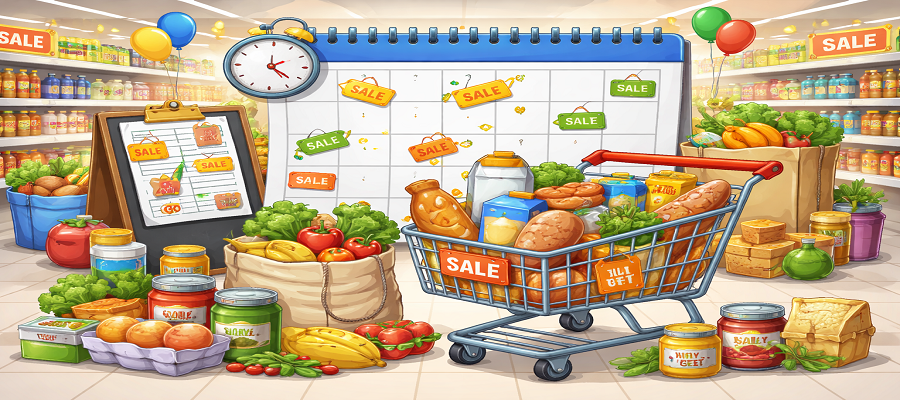
Saving money on snacks doesn’t mean sacrificing quality. Small changes in shopping habits can make a big difference. Buying store brands, choosing whole ingredients, and limiting packaged snacks reduces costs dramatically. Preparing snacks at home costs a fraction of pre-packaged snack foods. Over time, switching to frugal healthy snacks for after school can save hundreds of dollars per year.

Involving Kids in Snack Preparation

Teaching kids to choose and prepare their own healthy snacks on a budget builds healthy habits and reduces resistance. Let them help wash fruit, spread peanut butter, or assemble yogurt parfaits. When children understand why certain foods are chosen—and help make them—they’re more likely to eat them. This also helps teach basic budgeting and nutrition skills early on.

Common Mistakes Parents Make With After-School Snacks

One common mistake is relying too heavily on packaged snacks marketed as “healthy.” These often cost more and contain added sugars or preservatives. Another mistake is serving snacks that are too small or lack protein, leading to more hunger shortly after. Balanced snacks prevent constant grazing and improve focus. Avoiding these mistakes makes frugal healthy snacks for after school more effective and sustainable.

Frequently Asked Questions About Frugal Healthy Snacks for After School

What are the cheapest healthy snacks for kids after school?

Some of the cheapest healthy snacks include fresh fruit, homemade popcorn, peanut butter sandwiches, boiled eggs, and yogurt with fruit. These options provide good nutrition at a low cost.

How can I make after-school snacks more filling?

To make snacks more filling, combine carbohydrates with protein or healthy fats. For example, pair fruit with peanut butter or yogurt with oats. This balance helps kids stay full longer.

Are homemade snacks really cheaper than store-bought ones?

Yes, homemade snacks are almost always cheaper. Making snacks from basic ingredients costs significantly less per serving than buying packaged snack foods, even when factoring in preparation time.

How many after-school snacks should kids have?

Most kids need one substantial snack after school. Very active children may need a second small snack before dinner, depending on their energy needs and meal timing.

Can frugal snacks still be appealing to picky eaters?

Absolutely. Keeping flavors simple, offering familiar foods, and allowing kids to customize their snacks makes healthy options more appealing—even for picky eaters. Try “build-your-own” snack plates with a few choices.

How can I keep cut fruits and vegetables from browning or going soggy?

A quick soak in lemon water (1 tbsp lemon juice per cup of water) can prevent browning for fruits like apples. Store cut veggies in an airtight container with a damp paper towel to maintain crispness.

Final Thoughts: Healthy Snacking Doesn’t Have to Be Expensive

Providing nutritious snacks for your kids doesn’t require a big grocery budget. With smart planning, simple ingredients, and a focus on whole foods, frugal healthy snacks for after school can become a stress-free part of your routine. These snacks support your child’s growth, improve focus, and teach lifelong healthy habits—all while keeping your grocery spending under control. Over time, small changes in snack choices can lead to better health outcomes and noticeable savings. Healthy, affordable after-school snacking isn’t about perfection—it’s about consistency, balance, and making choices that work for your family and your budget.

Leave a Comment

Your email address will not be published. Required fields are marked *

Scroll to Top