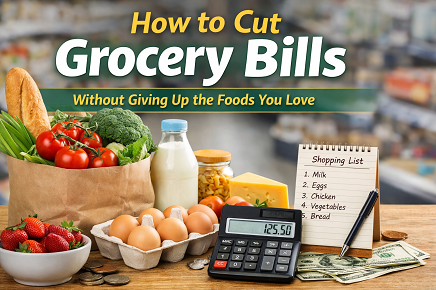
Grocery costs are a constant pressure on every household budget. With prices feeling like they’re on a never-ending climb, the art of saving has evolved from a casual hobby into a strategic science. While many of us clip a coupon here and there, extreme couponers operate on a different level entirely, proving it’s still possible to slash your food and household bill by 50%, 80%, or even more.
This isn’t just about saving a few dollars. It’s about transforming your approach to shopping through meticulous planning, masterful stacking, and leveraging every available tool. In this ultimate guide, you’ll discover the proven, top-tier hacks that extreme couponers use to save hundreds of dollars each month, build a resilient stockpile, and achieve financial peace of mind—all while keeping your sanity perfectly intact.
What Is Extreme Couponing? Beyond the Basic Coupon Clipper
Extreme couponing is often misunderstood. It’s not a sporadic activity; it’s a highly disciplined, systematic methodology designed to extract maximum value from every transaction by synergizing discounts.
- Definition & Modern Evolution: At its core, extreme couponing is the practice of strategically combining multiple forms of discounts—store coupons, manufacturer coupons, digital promotions, rebates, and loyalty rewards—to achieve staggering savings, often reaching 80-90% off the retail price. While popularized by television shows in the early 2010s, the practice has matured. Today’s savvy shoppers focus on digital integration and adapting to stricter store policies to maintain significant savings. [Money Crashers+1]
- The “Why”: More Than Just Savings: For families, it’s a powerful tool to combat grocery inflation and stretch a tight budget to its limit. For others, it becomes a form of side hustle; they buy heavily discounted non-perishables in bulk, using the surplus to donate to charities, give as gifts, or even resell for a small profit. The motivation is a blend of financial necessity and the thrill of the hunt. [The Sun+1]
- Is Extreme Couponing Still Viable in 2025? Absolutely. The landscape has shifted since the early days. Stores have tightened policies on overages and coupon doubling, but the fundamental principles remain powerful. The modern extreme couponer thrives by mastering digital coupons, leveraging cashback apps, and understanding the nuanced rules of their favorite stores. The game has changed, but the winners are still saving a fortune. [GoBranded Surveys+1]
The Core Mindset of an Extreme Couponer: Cultivating a Saver’s Psychology
Success in extreme couponing begins in the mind. It requires a fundamental shift from being a passive consumer to an active, strategic shopper.
Embrace Flexibility Over Brand Loyalty
The first rule is to let the deals guide you, not your preferences. The most successful couponers buy the brand that offers the deepest discount each week, even if it’s not their usual choice. This flexibility is the key to unlocking the best prices and discovering new products. [HowStuffWorks]
Adopt a Stockpiler’s Mentality
Thinking in terms of a “stockpile” is crucial. Instead of buying what you need for the week, you buy what you will need for the next month or season when the price is at its absolute lowest. This approach means you rarely, if ever, pay full price for staple items. The goal is to create a personal “store” in your own home, buying inventory only when it’s on sale. [Couponzania+1]
Prioritize Planning Over Impulse
An extreme couponer never enters a store without a battle plan. Every shopping trip is the result of hours of research: scrutinizing weekly ads, cross-referencing coupon databases, mapping out the store’s layout for efficiency, and knowing exactly which coupons will be applied to which items. Impulse buys are the enemy of the budget. [Dealspotr+1]
The Building Blocks: Essential Tools & Techniques for Maximum Savings
This is where strategy meets execution. These are the foundational tools and techniques that form the backbone of every successful couponing operation.
Mastering the Art of Coupon Stacking
Stacking is the cornerstone of extreme savings. It’s the practice of layering multiple discounts on a single item to drive the price down exponentially.
- Store Coupon + Manufacturer Coupon: This is the most common and powerful stack. Use a coupon issued by the store (either digital or from a circular) on top of a coupon from the manufacturer. Most major retailers explicitly allow this combination.
- Sale + Coupon: The classic one-two punch. Applying a valuable coupon to an item that’s already on a deep sale can often result in free products or pennies on the dollar.
- Integrating Cashback & Rebate Apps: After you’ve applied your paper or digital coupons at the register, the savings continue. Use apps like Ibotta, Fetch Rewards, or Checkout 51 to scan your receipt and get additional cash back on eligible items, creating a third layer of discount. [Couponzania+1]
- Leveraging Overage (When Possible): An overage occurs when the face value of a coupon exceeds the price of the item. In stores that allow this, the extra amount can be applied to the rest of your grocery bill. While less common today, it’s a powerful tool in coupon-friendly environments. [MoneySaver Online]
Decoding and Leveraging Store Coupon Policies
Your knowledge of a store’s policy is your shield and sword. Before you shop, you must know the answers to these critical questions:
- Do they double coupons? (Rare now, but some stores still do on certain days).
- Do they accept competitor coupons?
- What are their rules on coupon stacking?
- Are there limits on the number of like coupons you can use per transaction?
Keep a digital copy of the policy on your phone or a printed version in your binder. This empowers you to shop confidently and resolve any issues at the checkout lane politely and knowledgeably. [GoBranded Surveys]
Maximizing Loyalty Programs & Rewards Cards
Loyalty programs are a non-negotiable for the serious saver. They are the gateway to member-only sales, digital coupons that load directly to your card, and targeted personalized offers.
The extreme couponer doesn’t just use the loyalty discount; they layer it with manufacturer coupons and cashback apps. This multiplicative effect is where the true magic happens. Furthermore, some programs offer points that lead to future fuel discounts or grocery rebates, adding another dimension to your compounding savings. [GrabOn]
Strategic Use of Cash-Back & Rebate Apps
Think of these apps as your automated savings assistants. Ibotta, Fetch Rewards, and Checkout 51 are among the most popular. They work by offering rebates on specific products, which you claim by scanning your receipt after purchase.
The pro strategy involves checking these apps before you finalize your shopping list and coupon matches. This allows you to stack app offers with your in-store deals. Always be mindful of the fine print—these offers often require specific product varieties or sizes. [Nasdaq+1]
Capitalizing on Price Matching & Competitor Offers
Stores like Walmart and Target have longstanding price match policies. This means you can bring in a competitor’s current ad and get their sale price without having to drive across town.
The savvy couponer takes this a step further: they get the price match and then apply their manufacturer coupons on top. This effectively allows you to combine the best sales from multiple stores into a single, highly efficient shopping trip at your most coupon-friendly location.
Strategic Shopping Habits: The In-Store Game Plan
Your preparation pays off in the store. These habits ensure you execute your plan flawlessly and capitalize on every available opportunity.
Become a Weekly Circulars Expert
The weekly ad is your roadmap. Don’t just glance at it; study it. Extreme couponers review circulars from all local stores, identifying “loss leaders” (heavily discounted items meant to draw you in) and planning their trips around these deals. They often split their shopping list between two or three stores to capture the absolute lowest price on every item. [Dealspotr+1]
The Science of Coupon Organization: Binders vs. Digital
Disorganization is the enemy of savings at the checkout lane.
- The Binder Method: The classic approach involves a large binder with baseball card holder sleeves, organized by category (e.g., dairy, frozen, personal care) and sub-organized by expiration date. This provides a tangible, comprehensive view of your entire coupon inventory.
- Digital Organization: Modern couponers rely on apps like Favado or the store’s own app to clip digital coupons. They use spreadsheet programs or notes apps to track physical coupons, expirations, and potential deals. The key is having a system that allows you to find any coupon in seconds.
The Power of Bulk Buying & Rainchecks
When an item you regularly use hits its “rock-bottom price” (the historical lowest price), that is your signal to buy in volume. This applies to non-perishables, toiletries, and freezable goods.
If a sale item is out of stock, don’t leave empty-handed. Ask for a raincheck. This piece of paper guarantees you the sale price when the item is restocked, allowing you to still capitalize on the deal with your coupons later. [Penny Saviour]
Uncovering Hidden Gems: The Clearance Section
The clearance aisle is a treasure trove for the observant. Look for marked-down sections for overstocked, seasonal, or soon-to-expire items. The real win comes when store policy allows you to apply a coupon to an already-clearanced product. This can lead to scenarios where you are paid to take products home, a hallmark of extreme couponing success. [MapleMoney]
The Non-Negotiable: Pre-Shopping Math
Before you even approach the register, you should know your expected total, your expected savings, and your final out-of-pocket cost. Extreme couponers create a detailed shopping list with columns for item, shelf price, sale price, coupon value, and final price. This prevents sticker shock at the register and ensures every deal rings up correctly. If a price is wrong, you are prepared to address it calmly and knowledgeably.
Advanced Extreme Couponing Hacks: Leveling Up Your Strategy
Once you’ve mastered the basics, these next-tier strategies can unlock even more dramatic savings.
Triple-Stacking and Mastering BOGO Deals
- Triple-Stacking: In the most coupon-friendly stores, you can achieve a “triple stack”: applying a store coupon, a manufacturer coupon, and a store sale to a single item. The discounts compound, often resulting in free items or massive overages.
- BOGO + Coupons: When a store offers a Buy One, Get One Free deal, they often ring both items up at 50% off. You can usually use two manufacturer coupons—one for each item—effectively getting both products for a fraction of the original price, or even for free. [Work and Money+1]
Strategic Coupon Acquisition: Inserts and Printables
To buy in bulk during a super sale, you need multiple identical coupons. This means acquiring multiple Sunday newspaper inserts or finding high-value printable coupons on manufacturer websites. Building a network for trading coupons with other savers can also help you get the coupons you need for the deals you’ve targeted.
Advanced Rebate App Strategy: Multi-App Stacking
Don’t limit yourself to one cashback app. It’s often possible to use two or more apps on the same receipt for the same product, provided their terms don’t explicitly forbid it. For example, an item might be eligible for a rebate on both Ibotta and Fetch Rewards. This “app stacking” is a legal and highly effective way to compound your cashback.
Creating a Personal Price Book: Your Secret Weapon
A price book is your personalized database of the lowest historical prices for the items you buy most often. This can be a simple notebook, a spreadsheet, or a notes app.
Track the item, size, store, and price. Over time, you’ll identify patterns and know each product’s true “rock-bottom” price. This knowledge stops you from being tricked by a “SALE” tag that isn’t actually a good deal. When an item hits your rock-bottom price, that’s your signal to buy in quantity. [Penny Saviour+1]
Pitfalls, Risks & What to Avoid on Your Couponing Journey
Extreme couponing is powerful, but it comes with potential downsides that must be managed.
The Dangers of Overbuying and Waste
Stockpiling is smart; hoarding is not. Buying 50 bottles of salad dressing because they were free is a waste of money and space if you only use 10 before they expire. A responsible stockpile consists of items you genuinely use and can reasonably store before they go bad. [Dealspotr]
Striking the Right Time vs. Savings Balance
Couponing is a time-intensive activity. You must honestly evaluate the return on your invested time. For some, spending five hours to save $100 is a fantastic hourly rate. For others with less flexible schedules, a more moderate approach using a price book and a few digital tools might offer a better life balance. The key is to find a system that is sustainable for you.
Navigating Store Policy Changes
Retailers are constantly adapting their policies to protect their profit margins. A store that allowed overages last year may not this year. A policy that permitted unlimited coupon stacking may now impose a limit. Always verify the current policy before a major couponing trip to avoid disappointment at the register. [Reddit]
Staying Within Ethical and Practical Limits
Exploiting loopholes, arguing with cashiers over expired policies, or clearing shelves entirely creates friction and gives couponing a bad name. Be respectful, follow the rules, and be considerate of other shoppers and store staff. The goal is to be a savvy shopper, not a difficult customer.
The Serious Risk of Coupon Fraud
The internet is rife with counterfeit coupons or schemes that seem too good to be true. Using fake or duplicated coupons is illegal and can result in being banned from stores or facing legal action. Always source your coupons from reputable, legitimate channels: Sunday newspapers, manufacturer websites, and known couponing databases. [Reddit]
Real-World Stories & Case Studies: Learning from the Pros
Seeing these strategies in action provides both inspiration and practical insight.
- Digital-First Success: One couponer featured on Nasdaq detailed how she has adapted to the modern era. She focuses almost exclusively on digital coupons loaded to store loyalty cards, pairs them with app-based rebates, and shops loyalty-member sales. This digital-triple-stack approach allows her to cut her grocery spending by over 70% without the need for a massive binder. [Nasdaq]
- The BOGO Windfall: Retired extreme couponers often recall BOGO sales on diapers or cereal as their most triumphant moments. By using high-value manufacturer coupons on both items in a BOGO deal, they would often reduce the final cost to mere pennies, and in some stores that still allowed overages, they would actually generate a credit to be used on other essentials. [Work and Money]
- The Clearance Aisle Scout: As shared on MapleMoney, the most dedicated savers train themselves to look beyond eye-level. They scan the top and bottom shelves for hidden clearance stickers and regularly check endcaps and odd corners of the store for unadvertised markdowns, which they then pair with a coupon for an unparalleled deal. [MapleMoney]
- The Evolution to Efficiency: A common theme on frugality forums is the journey from extreme couponing to optimized frugality. Many seasoned savers eventually find that maintaining a rigorous price book and focusing on loss leaders saves them almost as much money as full-blown couponing, but with a fraction of the time and effort, leading to a more sustainable long-term strategy. [Reddit]
How to Get Started: Your Beginner Couponing Checklist
Ready to begin? Follow this step-by-step action plan to start your extreme couponing journey without feeling overwhelmed.
- Lay the Groundwork: Understand Your Local Stores
- Identify the 2-3 most coupon-friendly grocery stores in your area (e.g., Kroger, Harris Teeter, Publix).
- Visit their customer service desk or website to get a copy of their official coupon policy. Pay close attention to stacking rules and competitor coupon acceptance.
- Build Your Arsenal: Acquire Coupons
- Subscribe to or purchase the Sunday newspaper for the coupon inserts (SmartSource, RedPlum).
- Follow your favorite brands on social media and sign up for their email lists for direct-to-consumer coupons.
- Use reputable printable coupon sites like Coupons.com.
- Go Digital: Set Up Your Cashback and Loyalty Tools
- Download 2-3 cashback apps (e.g., Ibotta, Fetch Rewards, Checkout 51) and create accounts.
- Sign up for the free loyalty programs at every store you frequent. Connect your phone number or card to their app.
- Plan Your Attack: Create a Shopping Strategy
- This week, pick one store and deeply study its weekly ad.
- Match 3-5 sale items with coupons from your inventory or apps.
- Create a detailed list with items, sale prices, and coupon values.
- Get Organized: Implement Your System
- Whether you choose a small accordion file or a digital spreadsheet, spend one hour organizing your current coupons and tracking expiration dates.
- Execute Your First Mission: Go Shopping
- Bring your list, organized coupons, and loyalty cards.
- At checkout, be patient and polite. Hand coupons to the cashier in an organized manner, and watch the register screen to ensure deals apply correctly.
- Review and Refine: Track Your Progress
- After your trip, note your total savings and your out-of-pocket cost.
- Reflect on what worked well and what could be smoother next time. Continuous improvement is the key.
FAQs: Your Extreme Couponing Questions, Answered
Q1: Is extreme couponing still possible in 2025?
A: Yes, but it requires more finesse. The era of 100-coupon hauls is largely over due to policy changes, but by focusing on digital tools, strategic stacking, and cashback apps, you can still achieve savings of 50-70% on your grocery bills consistently.
Q2: How much time does extreme couponing really take?
A: For a beginner, the first few weeks might require 3-5 hours per week for learning and planning. As you build your system and inventory, an experienced couponer can often plan a week’s shopping in 1-2 hours. The time investment decreases as your efficiency increases.
Q3: Can I use extreme couponing for fresh produce and meat?
A: It’s more challenging but not impossible. While manufacturer coupons for fresh produce are rare, store-specific digital coupons and markdowns on “manager’s special” items are common. You can often apply these store discounts to fresh meat and produce, especially when paired with a general loyalty program discount.
Q4: What’s the single most important tip for a beginner?
A: Start small. Don’t try to coupon for your entire household all at once. Pick one store, one shopping trip, and a handful of deals. Master the process on a small scale before you attempt to expand. Success builds confidence.
Q5: Is it okay to use a coupon on a size or variety not specified?
A: No. This is a common form of coupon misuse. You must buy the exact brand, product, size, and quantity specified on the coupon. Deviating from the terms is considered fraud and can get you banned from a store.
Q6: How can I find other couponers to learn from?
A: There are vibrant online communities on platforms like Reddit (r/couponing), Facebook groups, and dedicated couponing forums. These are excellent places to ask questions, find deal scenarios, and learn from the experience of others.
Final Thoughts: Is the Extreme Couponing Lifestyle Right for You?
Extreme couponing is a powerful financial tool, but it’s not a one-size-fits-all solution. It demands a significant investment of time, a high degree of organization, and a strategic mindset.
Before you dive in, ask yourself these final questions:
- Do I have the bandwidth? Can I dedicate a few hours each week to planning and organizing without it causing stress?
- Do I have the space? Is there a closet, basement, or pantry where I can responsibly build a stockpile of non-perishable goods?
- What is my true goal? Is it to cut my grocery bill by $50 a week, or to build a year’s supply of toiletries? A clear goal will keep you motivated.
If your answers are leaning toward “yes,” then adopting the strategies of extreme couponers can fundamentally transform your financial landscape. By combining the power of weekly circulars, strategic coupon stacking, digital cashback apps, and smart organization, you have the potential to slash your grocery spending far more than you ever thought possible. Start your journey today, and unlock the door to a world of massive savings.


It’s definitely tough keeping grocery costs down these days; I’ll have to look into some of these couponing strategies. I found some interesting related data on https://seed3d.ai that might be helpful too.