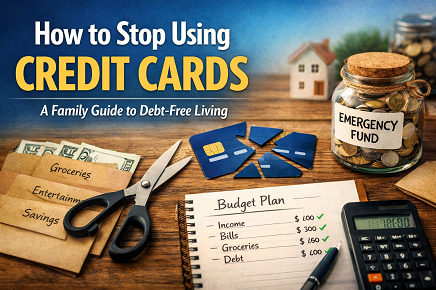
Grocery shopping is a fundamental part of life, but it can swiftly consume a massive chunk of your monthly income. In an era of rising costs, the question isn’t just what to eat, but how to afford it. The good news? With the right, time-tested strategies, you can absolutely stretch your food budget, dramatically cut down on waste, and still enjoy delicious, nutritious meals. Whether you’re feeding a family on a single income, a student with a limited allowance, or simply anyone aiming to be smarter with their spending, this comprehensive guide is packed with actionable tips and tricks. You will learn exactly how to grocery shop on a tight budget without breaking the bank or sacrificing the quality of your food.
Why Mastering Budget Grocery Shopping is Essential Now More Than Ever
Before we dive into the “how,” it’s crucial to understand the “why.” Adopting a strategic approach to grocery shopping isn’t just about pinching pennies; it’s about building a sustainable and financially healthy lifestyle.
- Combat Soaring Food Costs: Inflation and ongoing supply chain pressures have made every trip to the supermarket more expensive. Being a savvy shopper is no longer a choice but a necessity for financial stability. [CNBC+2Bankrate+2]
- Achieve Financial Peace of Mind: When you gain control over your grocery spending, you unlock capital for other critical financial goals. The money you save can be redirected into savings, debt repayment, investments, or even allowing for occasional fun without guilt.
- Commit to Reducing Food Waste: The average household throws away a staggering amount of food each year. Smart grocery planning means buying what you need and using what you buy, leading to less spoiled food in the trash and more money in your pocket. [AARP+2Signos+2]
- Make Healthier Choices Consistently: A common misconception is that eating healthy on a budget is impossible. The truth is, with careful planning, you can prioritize wholesome, affordable ingredients over expensive, processed convenience foods. [Cleveland Clinic+1]
Smart Planning: The Foundational Step to Budget Grocery Success
The most significant savings happen before you even set foot in a store. A solid plan is your best defense against impulse buys and food waste.
Take a Detailed Inventory of What You Already Have
How often have you bought a jar of pasta sauce, only to find two already hiding in the back of your pantry? This ends now.
- Conduct a Pantry, Fridge, and Freezer Audit: Before you even think about your shopping list, take everything out. Check expiration dates and see what needs to be used up first. [AARP+2D4D Online+2]
- The Photo Inventory Shortcut: A brilliant modern hack is to snap a quick photo of your fridge and pantry shelves right before you head to the store. As one savvy Redditor shared, “Snap a photo of your fridge and pantry … so you don’t buy twice.” [Reddit] Glance at the photos while you shop to avoid costly duplicates.
- Build Your Plan Around Your Inventory: Use the items you already own as the foundation for your upcoming meal plan. This “shop your kitchen first” mentality is the single most effective way to reduce food waste and save money.
Create a Realistic and Flexible Weekly Meal Plan
A meal plan is your roadmap to a successful and budget-friendly grocery trip. It transforms shopping from a chaotic free-for-all into a targeted mission.
- Base Meals on Sales and Inventory: Start by checking your store’s weekly flyer. What proteins, vegetables, and staples are on sale this week? Build your meals around these discounted items and the inventory you already have. [Signos+1]
- Embrace Simple, Overlapping Meals: Plan dinners where ingredients do double duty. For example, a whole chicken can be roasted for one meal, the leftovers used for sandwiches or a casserole, and the carcass turned into soup stock. This strategic meal planning minimizes the number of unique ingredients you need to buy. [D4D Online]
- Let Your Meal Plan Dictate Your Shopping List: Every ingredient from your meal plan goes onto your list. This list becomes your non-negotiable guide in the store, shielding you from impulsive, budget-busting purchases. [CNBC+1]
Set a Firm, Realistic Grocery Budget and Stick to It
Knowing your limit is key to grocery shopping on a tight budget.
- Determine Your Affordable Spend: Honestly assess your finances and decide on a fixed, realistic amount you can allocate to groceries for the week or month. [D4D Online]
- Track to Create a Baseline: If you’ve never budgeted for groceries before, track your spending for a full month. This data provides a realistic baseline from which you can set and refine your future budget goals. [D4D Online]
- Use a Calculator While You Shop: This is a game-changer. Use your phone’s calculator to keep a running total of the items in your cart. This real-time tally ensures you stay within your budget and prevents any shocking surprises at the checkout. [Bankrate]
How to Shop Strategically: Winning the Game In-Store
With your plan and list in hand, it’s time to execute. Your strategy inside the store is what turns a good plan into great savings.
Generously Embrace Store Brand Products
This is one of the easiest and most effective ways to slash your grocery bill immediately.
- Quality is Comparable: Store-brand items (also called generic or private-label) are often manufactured in the exact same facilities as their name-brand counterparts but are sold for significantly less. [CNBC+1]
- Focus on Staples: Start by switching to store-brand staples like rice, pasta, canned vegetables, beans, oats, milk, eggs, and basic cleaning supplies. The savings on these high-use items will accumulate rapidly. [Signos]
Master the Art of Sales, Coupons, and Rebate Apps
In the digital age, coupons have evolved far beyond the Sunday paper.
- Consult Weekly Circulars and Store Apps: Make it a habit to check your local store’s weekly ad online or via their app before you plan your meals. [Bankrate+1]
- Leverage Digital Coupon and Cashback Apps: Apps like Ibotta, Rakuten, and Fetch Rewards allow you to “clip” digital coupons or earn cash back on specific items simply by scanning your receipt. [CNBC+1]
- Stack Your Savings: For maximum impact, combine a store sale with a digital coupon and a loyalty program discount. This “stacking” technique can lead to getting items for a fraction of their original cost, or sometimes even for free. [SoFi]
Buy in Bulk—But Do It Smartly
Bulk buying can lead to massive savings, but only if done correctly.
- Stick to Non-Perishables and Freezables: The best candidates for bulk purchases are shelf-stable items like dried beans, rice, pasta, and canned goods, or items you can easily freeze, such as meat, bread, and butter. [Prime Women]
- Beware of Perishable Pitfalls: Buying a 10-pound bag of potatoes is only a deal if your household can eat 10 pounds of potatoes before they sprout. Always consider your consumption rate and storage space before buying in bulk. [AARP+1]
- Calculate the Unit Price: The true value of a bulk item is revealed in its unit price (e.g., cost per ounce or per gram), which is always displayed on the shelf tag.
Prioritize Seasonal and Frozen Produce
Fresh produce doesn’t have to derail your budget.
- Embrace Seasonality: Fruits and vegetables that are in season are inherently more abundant, which drives down their price and increases their freshness and flavor. [TIME]
- The Power of the Freezer: Frozen fruits and vegetables are a budget-shopper’s secret weapon. They are picked and frozen at peak ripeness, locking in their nutrients. They are often more affordable than out-of-season fresh produce and have a dramatically longer shelf life, making them perfect for reducing food waste on a budget. [Cleveland Clinic]
Navigate the Store Layout with a Strategy
Grocery stores are scientifically designed to encourage spending. Knowing their tactics helps you resist them.
- Shop the Perimeter: Make a habit of doing the majority of your shopping around the store’s outer walls. This is typically where you find the whole, unprocessed foods—produce, dairy, meat, and fish. [Bankrate]
- Look High and Low for Better Deals: Stores strategically place the highest-margin and most expensive items at eye level. Make a habit of looking at the top and bottom shelves to find the more affordable alternatives. [Bankrate+1]
- Become a Unit Price Detective: Always compare the unit price between different brands and sizes. A larger box isn’t always the better deal. As emphasized by Reddit users, “Pay attention to the ‘per oz. price’ … you’ll easily save money in the long run.” [Reddit]
Limit Your Shopping Trips and Shop Solo
Fewer trips and fewer distractions lead to more savings.
- Consolidate Your Trips: Aim for one well-planned “big shop” per week instead of several smaller, impromptu trips. Every additional visit is another opportunity for unplanned purchases. [TIME+1]
- The Power of Shopping Alone: If possible, leave the family at home. Shopping solo allows you to focus, stick to your list, and avoid the “can we get this?” pleas that add unnecessary items to your cart. [Bankrate]
The Golden Rule: Never Shop When You’re Hungry
This is classic advice for a simple reason: it works. Walking into a grocery store with an empty stomach turns every delicious-looking package into a temptation. Your willpower is lower, and your cravings are higher. Always eat a solid snack or meal before you go shopping to keep your mind clear and your list-focused. [AARP]
Stretching Your Budget Further: Advanced Tips and Tricks
The savings don’t stop at the checkout line. How you manage your food at home can stretch your dollars even further.
Master Food Preservation: Freezing and Repurposing
Prevent food from becoming waste and money from being thrown away.
- Your Freezer is Your Best Friend: Use your freezer aggressively. When you find a great sale on meat, bread, or even cheese, buy what you can and freeze it in portion-sized packages. [AARP+1]
- Preserve Produce: Learn simple techniques like blanching and freezing vegetables or roasting and pureeing fruits for later use in smoothies or baking.
- Get Creative with Leftovers: Designate one night a week as “Leftover Night,” or get creative by transforming leftovers into entirely new meals—yesterday’s roasted chicken becomes today’s chicken salad or quesadillas. [D4D Online]
Implement the “5‑4‑3‑2‑1” Method for a Balanced Cart
This recently popularized budgeting framework provides a simple, effective structure for your shopping list, ensuring variety and cost-control.
- The Framework:
- 5 different vegetables
- 4 fruits
- 3 protein sources (e.g., chicken, beans, eggs, tofu)
- 2 sauces or spreads (e.g., pasta sauce, peanut butter)
- 1 grain (e.g., a bag of rice, quinoa, or pasta)
- Plus, allow 1 “treat” for the week
- Why It Works: This method prevents aimless shopping, ensures nutritional balance, and naturally keeps your spending in check by providing clear parameters. [Allrecipes]
Cultivate Flexibility with Ingredients
Rigidity is the enemy of a budget shopper. Be willing to adapt.
- Swap Based on Sales: If your meal plan calls for bell peppers but zucchini is on a steep discount, be flexible and make the swap. [Bankrate]
- Choose Budget-Friendly Proteins: Explore cheaper cuts of meat (like chicken thighs instead of breasts), incorporate more plant-based proteins (lentils, beans, tofu), and use eggs as a versatile, affordable protein source. [TIME]
Maximize Loyalty Programs and Rewards
If a store offers a free loyalty program, not signing up is like leaving money on the table.
- Access Member-Only Deals: Loyalty programs often provide access to special sales, digital coupons, and personalized offers that non-members don’t get. [SoFi]
- Use a Cashback Credit Card Wisely: If you are disciplined with credit, using a card that offers elevated cash back on grocery purchases can add up to significant savings over a year. Crucial Note: This is only a savings tactic if you pay off the balance in full every month to avoid interest charges. [AARP]
- Combine with Rebate Apps: Continue using your cashback apps on top of loyalty and credit card rewards for a powerful, multi-layered savings strategy. [CNBC+1]
Managing Perishables on a Budget: A Practical Guide
Preventing food waste is synonymous with saving money, especially when it comes to items that spoil quickly.
Buy the Right Quantities for Your Household
- Be Realistic About Consumption: For highly perishable items like fresh berries, salad greens, or milk, be honest about how much your household can consume before it goes bad. It’s better to buy a smaller quantity at a slightly higher unit price than to throw half of it away. [Cleveland Clinic]
- Portion and Freeze Immediately: If you do buy a larger package of meat or bread, take the time to divide it into meal-sized portions and freeze them immediately upon returning from the store.
Rely on Frozen and Canned Alternatives
- Longer Shelf Life, Lower Cost: As mentioned, frozen vegetables and fruits are a cornerstone of budget-friendly nutrition. Don’t overlook canned goods either—canned beans, tomatoes, tuna, and salmon are affordable, nutritious, and have a fantastic shelf life.
Implement a “First In, First Out” System
- Organize Your Fridge and Pantry: When you unpack your groceries, move older items to the front and place new items in the back. This simple “FIFO” (First In, First Out) system ensures that you use the oldest items first, preventing them from getting lost and eventually expiring.
- Conduct Weekly Audits: Once a week, do a quick 5-minute scan of your fridge to identify any items that are approaching their expiry date. Challenge yourself to incorporate those items into your next meal or freeze them. [Reddit]
Other Practical, High-Impact Habits to Save Money
Small habits, consistently applied, lead to big results.
Always Bring Your Own Bags
- Save Money and the Planet: Many stores now offer a small discount (typically 5-10 cents per bag) when you bring your own reusable bags. The savings add up, and you reduce plastic waste. [SoFi]
- Make it a Habit: Keep a stash of reusable bags in your car trunk or by your front door so you never forget them.
Time Your Shopping for Maximum Savings
- Hunt for Markdowns: Learn when your local store marks down perishable items like meat, bakery goods, and ready-to-eat meals. This is often first thing in the morning or later in the evening. Scoring these “yellow sticker” items can lead to discounts of 50% or more. [The Sun]
- Shop During Off-Peak Hours: Shopping when the store is less crowded (e.g., early mornings or weeknights) reduces stress and gives you the mental space to compare prices carefully and stick to your list without feeling rushed. [Bankrate]
Meticulously Track Your Spending
- Review Every Receipt: Keep your grocery receipts and review them. Use a budgeting app or a simple notebook to log your spending after each trip. [D4D Online]
- Analyze for Patterns: At the end of the month, review your spending. Look for categories where you consistently overspend and brainstorm strategies to curb it. This continuous improvement is the key to long-term mastery of your grocery budget.
The Right Mindset for Long-Term Financial Success
Ultimately, saving money on groceries is as much about psychology as it is about tactics.
Prioritize Needs Over Wants
- Focus on Nutritional Staples First: Ensure your cart is filled with the building blocks of a healthy diet—whole grains, proteins, fruits, and vegetables—before you even consider the snack aisle.
- Allow for Planned Treats: A budget that feels like deprivation is a budget that will fail. Allow yourself one or two small, planned treats each week. This makes the entire process more sustainable and enjoyable.
Build a Pantry Buffer for Security and Savings
- Create a Strategic Stockpile: Over time, use sales to build a small, organized stockpile of non-perishable staples like rice, pasta, canned beans, and broth.
- Achieve Financial Resilience: A well-stocked pantry acts as a financial buffer. It means you’re less vulnerable to sudden price spikes or unexpected life events, and you can always put a meal together without an emergency store run.
Commit to Continuous Learning and Adaptation
- Stay Informed: Keep an eye on economic trends, new savings apps, and seasonal growing cycles.
- Re-evaluate Regularly: Your life circumstances change, and so should your budget. Revisit your grocery budget every few months to ensure it still aligns with your income, family size, and financial goals.
Frequently Asked Questions (FAQ)
Q1: How much should I budget weekly or monthly for groceries?
There’s no universal number, as it depends heavily on your location, household size, and income. The most effective method is to track your current spending for one month to establish a baseline. Use that data to set a realistic, slightly challenging budget, and refine it from there. [D4D Online]
Q2: Is it worth it to shop at multiple stores to save money?
Yes, but with a caveat. Comparing prices across stores (e.g., a discount grocer like Aldi or Lidl versus a mainstream supermarket) can yield significant savings. However, if driving to multiple stores adds considerable time, fuel costs, and stress, the net savings may be negligible. Weigh the pros and cons for your specific situation. [TIME]
Q3: Are coupons and rebate apps really worth the effort?
Absolutely. In the digital age, “clipping” coupons takes seconds on your phone. Apps like Ibotta and Rakuten provide real cash back on everyday purchases. When you combine these with store sales and loyalty programs, the effort is minimal for potentially substantial returns. [CNBC+1]
Q4: Should I always buy in bulk?
No. Bulk buying is a smart strategy for non-perishable items you use regularly or for perishables you can reliably freeze. However, buying perishable items in large quantities without a plan for their use is a fast track to food waste and lost money. [Prime Women+1]
Q5: How do I avoid food waste on a tight budget?
- Plan your meals around the food you already have. [AARP]
- Freeze leftovers, bread, and meat before they spoil.
- Implement a “first in, first out” system in your fridge and pantry.
- Get creative with “kitchen sink” meals like soups, stir-fries, and frittatas to use up lingering ingredients.
Q6: What’s the 5-4-3-2-1 method for grocery shopping?
It’s a simple framework for building a balanced and cost-effective shopping list:
- 5 vegetables
- 4 fruits
- 3 protein sources
- 2 sauces or spreads
- 1 grain
- 1 small treat
This method promotes variety, controls spending, and simplifies decision-making. [Allrecipes]
Final Thoughts: Your Journey to Financial Freedom Starts at the Grocery Store
Learning how to grocery shop on a tight budget is a powerful, empowering skill. It doesn’t mean a life of bland meals or deprivation. On the contrary, it’s about being more intentional, resourceful, and creative with your food. By embracing deliberate planning, leveraging modern discount tools, and adopting strategic in-store habits, you can dramatically reduce your food expenses while maximizing the nutrition and enjoyment you get from every meal.
Start small. This week, just focus on taking an inventory and making a list based on what you already have. Next week, try the 5-4-3-2-1 method. The habits you build will compound over time, leading to hundreds, if not thousands, of dollars in annual savings. That money can then be redirected toward your larger life goals—building an emergency fund, paying off debt, or saving for a dream vacation.
Stay flexible, be patient with yourself, and let smart, strategic shopping become your secret financial superpower.