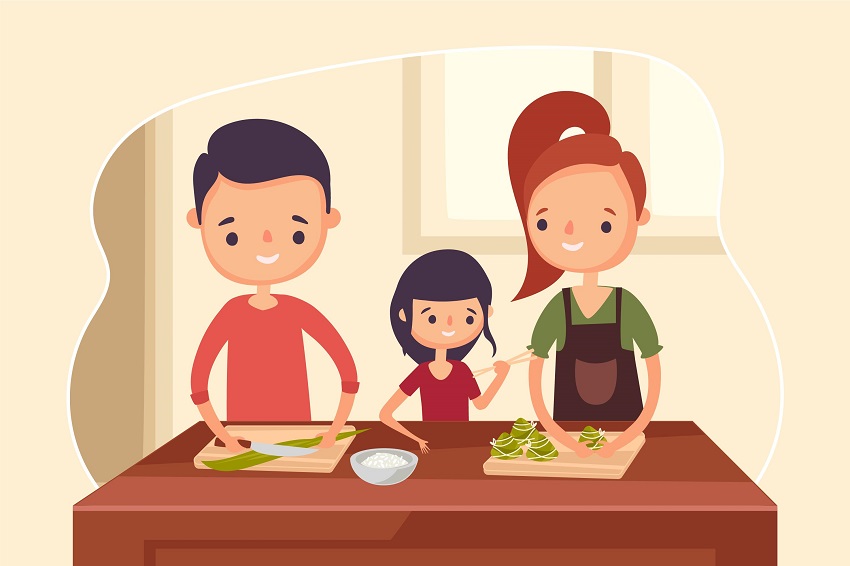
Meal prepping for your family doesn’t have to be complicated. With busy schedules, school runs, and after-school activities, having meals planned ahead can save time, reduce stress, and make sure everyone eats well. Even a little planning goes a long way.
Here are simple ideas to get your family started with healthy meal prep this week.
Why Meal Prep Matters for Families
Meal prep isn’t just about convenience. It helps your family:
- Eat balanced meals every day without rushing.
- Avoid unhealthy takeout or last-minute snacks.
- Save money by reducing food waste.
- Spend less time in the kitchen during the week.
Even prepping just one meal a day can make a huge difference in your week.
Trends That Make Meal Prep Easier
Families are finding new ways to make meal prep work:
- Plant-forward meals – add more vegetables without sacrificing flavor.
- Batch cooking – cook bigger portions and freeze for later.
- Kid-friendly meals – recipes that kids enjoy but are still healthy.
- Meal-planning apps – simple tools to organize shopping lists and recipes.
Trying one or two of these trends can save hours each week.
Smart Meal Prep Strategies
Here’s a practical approach for families:
- Plan your week – decide what to eat for each meal.
- Pick themes – Meatless Monday, Taco Tuesday, Sheet Pan Wednesday.
- Shop smart – make a detailed grocery list to avoid extra trips.
- Prep in batches – wash and chop veggies, cook proteins, or make grains ahead.
Start small. Even prepping one meal a day is a great start.
Tools That Help
The right tools make meal prep much easier:
- Containers – durable, stackable, and labeled.
- Slow cooker or Instant Pot – hands-off cooking for busy days.
- Freezer-friendly storage – portion meals for easy grab-and-go lunches or dinners.
- Simple apps – organize recipes and create shopping lists.
A few tools go a long way toward making meal prep stress-free.
Meal Prep Ideas for Every Meal
Breakfast
- Overnight oats with fruit and nuts
- Veggie egg muffins
- Smoothie packs ready to blend
Lunch
- Mason jar salads with protein
- Grain bowls with chicken, beans, or tofu
- Wraps that stay fresh all week
Dinner
- One-pot pasta dishes
- Sheet pan meals with protein and veggies
- Slow cooker soups and stews
Even prepping ingredients—like chopped veggies or cooked grains—can save hours during the week.
Tips to Keep Meal Prep Consistent
Consistency makes meal prep stick:
- Start small – prep a few meals or snacks first.
- Include the kids – washing veggies or portioning snacks can be fun.
- Pick a day – Sunday works for many families, but any day can be your planning day.
- Track what works – note which meals get eaten and which don’t.
These habits make meal prep easier and more likely to last.
Conclusion
Healthy family meal prep saves time, reduces stress, and helps everyone eat better. Using simple strategies, a few tools, and small steps each week, you can make meal prep a habit your whole family enjoys.
Try one new meal prep idea this week and see the difference. Share your favorite tip in the comments—we’d love to hear what works for your family.
How do I start meal prepping for my family?
Start small. Pick one or two meals a week to prep ahead. Even chopping veggies or cooking grains in advance can save time.
How much time does meal prep take?
It depends on how much you prep. Many families spend 1–2 hours on Sunday to prep meals or ingredients for the week.
What are some kid-friendly meal prep ideas?
Try wraps, mason jar salads, veggie egg muffins, smoothie packs, or pasta dishes. Meals that are easy to assemble often work best for kids.
How do I keep prepped meals fresh?
Use airtight containers, label them with the date, and store meals in the fridge or freezer. Prep ingredients separately if you want them fresher longer.
Can I meal prep on a tight budget?
Yes. Focus on seasonal produce, beans, grains, and bulk proteins. Batch cooking and freezing leftovers also save money.
How do I make sure everyone eats healthy meals?
Include a mix of protein, veggies, and whole grains. Get kids involved by letting them pick or help prepare meals—they’re more likely to eat what they helped make.
What tools make meal prep easier?
Containers, a slow cooker or Instant Pot, freezer-safe bags or containers, and simple meal-planning apps are all helpful.
How do I avoid getting bored with meal prep?
Rotate themes (like Taco Tuesday or Meatless Monday), try new recipes occasionally, and use different spices and sauces to mix flavors.
Can I prep meals for the whole week at once?
Yes, but start with 3–4 days if you’re new. Some ingredients stay fresher when cooked or chopped closer to mealtime.