Meal planning has never been more important for families. Between busy schedules, rising grocery costs, and picky eaters, staying organized can feel impossible. A meal planner printable simplifies everything. It saves time, reduces waste, and helps you make healthier choices. Whether you’re new to meal planning or just want a better system, using a printable can transform the way your family eats.
What Is a Meal Planner Printable?
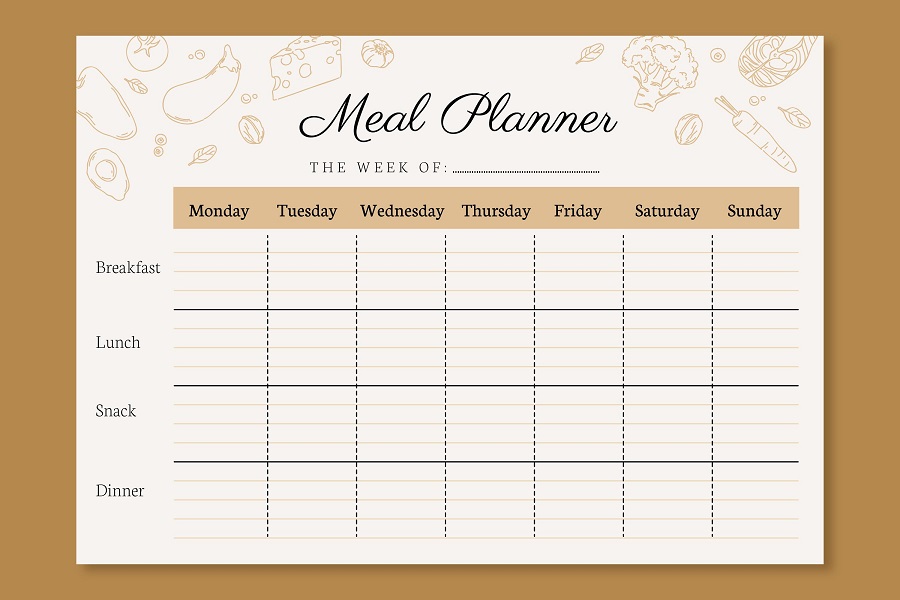
A meal planner printable is a simple sheet or calendar where you map out your meals and snacks for the week or month. It can be as basic as a blank grid or as detailed as a full-page planner with grocery lists. Using one helps you plan ahead, track what you have, and avoid last-minute stress.
Most planners include:
- Weekly or monthly layouts.
- Space for breakfast, lunch, dinner, and snacks.
- Grocery list sections.
Printables work for all families. They’re flexible, easy to use, and help you stay on track without digital tools.
Why Meal Planner Printables Are Trending
Meal planning is evolving. More families are looking for practical tools that are quick and easy. Printables remain popular because they combine structure with simplicity.
Recent trends include:
- Customizable planners: Templates you can edit and print weekly.
- Diet-specific options: Planners designed for vegan, keto, or family-friendly meals.
- Combo planners: Include grocery lists, prep schedules, and meal trackers.
A printable helps you follow these trends without spending hours online or on apps.
How to Use Your Meal Planner Printable Step by Step
Using a meal planner printable is straightforward. Here’s how to get started:
- Choose your planning period. Decide if you want to plan weekly or monthly. Weekly works best for busy families.
- List meals first. Fill in breakfast, lunch, dinner, and snacks. Consider family preferences.
- Create your grocery list. Use the meals you planned to make a complete shopping list.
- Set prep days. Decide which meals you can prep ahead of time. Label them on your planner.
- Review weekly. Adjust based on leftovers, schedule changes, or new recipes.
This simple system helps reduce stress, waste, and last-minute decisions.
Tips for Success
To get the most out of your meal planner printable:
- Keep it visible. Place it on the fridge or a central spot.
- Update regularly. Meal planning is flexible; adjust as needed.
- Batch prep. Cook or chop ingredients ahead to save time.
- Include everyone. Let kids or partners suggest meals to increase engagement.
- Use color-coding. Highlight proteins, vegetables, and prep days for quick reference.
Following these tips makes your planner more effective and easier to follow.
Advanced Planning Strategies
If you want to take meal planning further:
- Theme nights. Assign meals like “Meatless Monday” or “Taco Tuesday.”
- Rotate favorites. Keep a list of go-to meals to simplify planning.
- Track groceries. Note what you have and avoid buying duplicates.
- Incorporate seasonal produce. Save money and eat fresher ingredients.
Even small adjustments can make your planner more efficient and reduce stress.
Common Mistakes to Avoid
Using a meal planner printable doesn’t work if you fall into common traps:
- Planning without checking your pantry first.
- Forgetting snacks and drinks.
- Overcomplicating meals.
- Ignoring family preferences.
Avoiding these mistakes keeps your system simple and effective.
Summary
A meal planner printable is a practical, simple tool that can change the way your family eats. It saves time, reduces waste, and makes grocery shopping easier. By planning ahead, setting prep days, and adjusting as needed, you can take control of meals and reduce stress.
Start today: print a planner, fill in your meals for the week, and see how much smoother your routine becomes.
What is a meal planner printable?
A meal planner printable is a simple sheet or template you can print to organize meals and snacks for the week or month. It often includes space for grocery lists and prep notes.
Why should I use a meal planner printable?
Using a printable saves time, reduces food waste, helps you stick to a budget, and keeps your family’s meals organized.
How do I start using a meal planner printable?
Choose a weekly or monthly template, list your meals, create a grocery list, and set prep days. Keep it visible and update it regularly.
Can meal planner printables help me eat healthier?
Yes. By planning meals in advance, you can include more vegetables, balance proteins, and avoid last-minute unhealthy choices.
Are printable meal planners better than apps?
Printables are simple, flexible, and easy to reference without screens. Apps are useful too, but printables are perfect for families who prefer a visual, hands-on system.
How often should I update my meal planner?
Update your planner weekly to account for leftovers, schedule changes, and new recipes.
Can I customize my meal planner printable?
Yes. Many templates let you add sections, change layouts, or adjust for diets like vegan, keto, or family-friendly meals.
Where can I get a free meal planner printable?
You can download them from blogs, recipe sites, or create your own using tools like Canva or Google Sheets.
What common mistakes should I avoid?
Don’t forget snacks and drinks, avoid overcomplicating meals, and always check your pantry first to prevent duplicate purchases.
How can I make meal planning a habit?
Place the planner where you see it daily, involve family members, and set consistent prep times each week.