In today’s economic climate, saving money on groceries is more important than ever, and meat often represents the single largest expense in a family’s food budget. The good news? You don’t have to give up the nutritional benefits and satisfaction of high-quality meat to keep your finances in check. With a strategic approach, you can dramatically reduce what you spend on beef, chicken, turkey, and more, all while enjoying delicious, protein-rich meals.
This comprehensive guide is your ultimate resource. We will dive deep into actionable strategies—from savvy shopping habits and selecting the right cuts to mastering storage and eliminating waste. Whether you’re feeding a family on a tight budget or just looking to be more financially efficient, these practical, real-world techniques will empower you to take control of your meat spending for good.
Why Meat Costs Are Rising
Understanding the “why” behind the price tag is the first step to becoming a smarter shopper. Meat prices have steadily increased in recent years due to a perfect storm of factors. Global supply chain disruptions, rising costs for animal feed, fuel, and transportation, and general inflation across the food industry all contribute to the higher prices you see at the checkout counter.
For the conscious consumer, this isn’t a reason to panic; it’s a reason to adapt. Shoppers who employ intelligent strategies—like buying in bulk during sales, substituting premium cuts for more affordable ones, and understanding seasonal price cycles—consistently manage to keep their food budget under control. The goal isn’t necessarily to eliminate meat from your diet, but to ensure that every dollar you spend on it delivers maximum value.
Smart Shopping Strategies: Master the Art of the Deal
Becoming a strategic shopper is the most impactful way to cut costs. It’s not about coupons and pinching pennies; it’s about a fundamental shift in how and when you buy.
Buy in Bulk
Buying in bulk remains one of the most reliable ways to save money on meat. Economies of scale mean that large packages are almost always priced lower per pound than their smaller counterparts. The key to success here is a two-part system: a plan and a freezer.
Investing in a deep freezer unlocks the potential for significant long-term savings. It allows you to capitalize on sales and wholesale prices at clubs like Costco or Sam’s Club. The process is simple but critical: as soon as you get home, divide large packs into meal-sized portions using freezer-safe bags or wrap. Label each package with the contents and date, and freeze immediately to lock in freshness and prevent freezer burn. Over a year, this single habit can slash your meat costs by 30–50%.
Shop the Weekly Sales
Your grocery store’s weekly circular is a treasure map to savings. Stores strategically rotate loss leaders—items sold at a loss to get you in the door—and meat is a very common one. Make it a habit to check these ads, typically released on Wednesdays or Thursdays as new sales cycles begin.
Instead of walking into the store with a rigid meal plan, let the sales guide you. If ground turkey is featured at a rock-bottom price, that’s your signal to center your meals around it for the week. This flexible approach ensures you’re always paying the lowest possible price.
Use Store Loyalty Programs and Digital Coupons
In the modern grocery landscape, not using a loyalty program is like throwing money away. These programs offer personalized discounts, member-only pricing, and digital coupons that are directly loaded to your account. The real power comes from “stacking”—combining a store-wide sale with a digital coupon and a manufacturer’s coupon for exponential savings.
Many stores also offer rewards points that translate into cash off future purchases. By consistently using your loyalty card and the store’s app, you can shave dollars off every single meat purchase.
Embrace Wholesale Clubs
For families or those with ample freezer space, a membership to a wholesale club can be a game-changer. The per-pound price for large packs of chicken breasts, ground beef, or stewing lamb is often unbeatable. While the upfront cost is higher, the long-term savings are substantial. Split large packages with a friend or neighbor if the quantity is too great for your household.
Choosing the Right Cuts: A Guide to Value and Flavor
Often, the most expensive cut isn’t the best one for your recipe or your wallet. Learning about alternative cuts is like discovering a secret culinary world full of flavor and value.
Skip Premium Cuts
It’s time to look beyond the ribeye and tenderloin. Premium cuts are delicious, but their price reflects their popularity and tenderness, not necessarily their flavor potential. Excellent alternatives exist that deliver incredible taste at a fraction of the cost.
- Instead of Ribeye, try: Flat iron steak or chuck eye steak. Both are richly marbled and deeply beefy.
- Instead of Lamb Chops, try: Lamb shoulder, which becomes incredibly tender and flavorful when slow-cooked.
- Instead of Chicken Breast, try: Chicken thighs. They are more forgiving to cook, juicier, and packed with more flavor.
Buy Bone-In Instead of Boneless
We pay a premium for convenience. Boneless, skinless chicken breasts are a prime example. Bone-in cuts are almost always cheaper, and many chefs argue they are superior. The bone acts as a natural heat conductor, helping the meat cook more evenly and retain its moisture and natural juices.
Furthermore, that bone is a bonus ingredient! Save them in a freezer bag until you have enough to make a rich, homemade stock or broth, which forms the base for soups, stews, and risottos, adding even more value to your initial purchase.
Try Less Popular Cuts
Every animal has undervalued cuts that are less in demand but high in flavor and nutrition. Venturing into these territories can lead to delicious and budget-friendly discoveries.
- Beef: Oxtail, beef shank, skirt steak, and beef cheeks.
- Lamb: Neck and shanks.
- Chicken: Leg quarters, wings, and backs for stock.
- Turkey: Wings and thighs are often significantly cheaper than breast meat.
These cuts are often ideal for “low and slow” cooking methods like braising, stewing, and slow-cooking, which break down connective tissue and transform them into succulent, tender masterpieces.
The Power of Ground Meat
Never underestimate the versatility and value of ground meat—beef, turkey, chicken, or lamb. It’s a blank canvas for a world of cuisines, from Italian meatballs and American burgers to Mexican tacos and Asian lettuce wraps. Its high surface area makes it excellent for stretching with other ingredients, which we’ll cover next.
Timing Your Purchases: The When is as Important as the What
When you shop can be just as important as what you shop for. Aligning your grocery trips with store cycles can lead to unexpected windfalls.
Buy Early in the Morning
This is a pro-shopper secret. Many grocery stores have a dedicated employee mark down meat that is approaching its sell-by date first thing in the morning. These “manager’s special” stickers can mean discounts of up to 50% or more. By being an early bird, you get first pick of these perfectly good, deeply discounted items. The rule of thumb is to either cook or freeze these purchases within 24-48 hours.
Watch for Seasonal Sales
The holiday calendar is your savings calendar. Meat prices follow predictable patterns throughout the year. Planning your freezer stock-ups around these events is a brilliant long-term strategy.
- Thanksgiving: The best time of year to buy turkey. Stock up on an extra one or two to freeze.
- Summer Holidays (Memorial Day, Fourth of July, Labor Day): Look for sales on burgers, steaks, hot dogs, and chicken for grilling season.
- Year-Round: Whole chickens and value packs of chicken thighs and drumsticks frequently go on sale.
Buying several items during these sales and freezing them provides you with a stock of affordable meat for months to come.
Know the Best Days to Shop
While each store has its own rhythm, many begin their new sales cycles mid-week, making Wednesday and Thursday prime days for finding newly discounted items and clearance markdowns from the previous week. Shopping during off-peak hours (weekday mornings) also means less competition for these bargains.
Stretching Meat Further: Make Less Do More
Reducing your per-meal meat consumption is a healthy and incredibly effective way to save money. It’s not about deprivation; it’s about optimization.
Cook With Smaller Portions
Our cultural idea of a protein portion is often larger than necessary. You can easily reduce the meat in many recipes by 25–50% without anyone feeling shortchanged. The key is to bulk up the plate with other satisfying elements.
Mix Meat With Budget-Friendly Ingredients
This is one of the most powerful techniques in a budget-cook’s arsenal. “Extenders” can seamlessly blend with ground meat, adding volume, fiber, and nutrients while slashing costs.
- Lentils: Perfect in chili, sloppy joes, and pasta sauces.
- Oats or Breadcrumbs: Excellent for binding in meatballs and meatloaf.
- Finely Shredded Vegetables: Mushrooms, zucchini, and carrots add moisture and texture to burgers and taco meat.
Once seasoned and cooked, most people won’t even detect the difference, but your wallet certainly will.
Use Leftovers Wisely
Leftover meat is a valuable ingredient, not just a reheated meal. A little creativity can transform it into something entirely new and exciting, reducing food waste and stretching your budget.
- Sunday’s Roast Chicken becomes: Monday’s chicken salad, Tuesday’s chicken enchiladas, and Wednesday’s chicken soup.
- Last Night’s Steak becomes: Today’s steak and egg breakfast, a hearty steak sandwich for lunch, or a topping for a steakhouse salad.
- Leftover Ground Taco Meat becomes: A filling for omelets or a topping for baked potatoes.
This “cook once, eat twice (or thrice)” mentality is a cornerstone of efficient and economical cooking.
Embrace Global Cuisines
Many of the world’s most beloved cuisines are masters of stretching meat. Think of Italian pasta dishes where meat is a flavoring in the sauce, rich Asian stir-fries packed with vegetables, or hearty Mexican meals where beans and rice share the plate. Drawing inspiration from these traditions naturally leads to more budget-friendly meals.
Freezing and Storing Meat Correctly: Protect Your Investment
Proper storage is non-negotiable. It’s what makes bulk buying and sale-shopping possible without the risk of waste.
Freeze Immediately
Time is of the essence. Don’t let meat sit in the refrigerator after you buy it. Portion it out, wrap it securely to prevent freezer burn (which causes dry, tasteless meat), label it clearly, and freeze it. Using a permanent marker to write the date and contents ensures you’ll use your oldest stock first.
Learn the Best Storage Times
Frozen meat is safe indefinitely, but its quality—flavor and texture—diminishes over time. Adhering to these general guidelines for optimum quality will ensure your frozen meals are always delicious:
- Beef Steaks/Roasts: 9-12 months
- Chicken/Turkey (pieces): 9 months
- Lamb Chops/Roasts: 6-9 months
- Ground Meats: 3-4 months
- Prepared/Cooked Meats: 2-3 months
Use Vacuum Sealers
For the serious bulk shopper, a vacuum sealer is a worthy investment. By removing virtually all the air from the packaging, it dramatically extends the freezer life of meat and perfectly preserves texture and flavor. The savings from eliminating freezer-burned waste can pay for the machine itself in a matter of months.
Buying Meat Locally: Beyond the Supermarket
Sometimes, the best deals aren’t found in the big-box stores. Exploring local sources can yield better quality, better prices, and a connection to your food’s origin.
Shop at Local Butcher Shops
A good local butcher is a wealth of knowledge and value. They often have more flexibility than supermarket meat departments and can offer custom cuts, special deals on bulk purchases, and trimmings for stock or grind. Building a relationship means you can ask for advice on affordable options and get tips on how to prepare them.
Buy Direct From Farms
For the ultimate in quality and price, consider buying a quarter, half, or whole animal directly from a local farm. This is common for beef, lamb, and sometimes even poultry. The price per pound is often significantly lower than retail, and you gain access to high-quality, often pasture-raised meat. This requires a significant upfront cost and ample freezer space, so it’s a perfect opportunity to go in with another family.
Farmer’s Markets and Co-Ops
While farmer’s markets can be pricey, they are not without deals. Go near closing time when vendors are more likely to discount remaining inventory. Food co-ops, which are member-owned grocery stores, often source high-quality, local, and ethical meat at competitive prices, offering a great balance between your values and your budget.
Reducing Waste: The Final Frontier of Savings
Throwing away meat is like throwing cash directly in the trash. A zero-waste mindset ensures you get the very most out of every purchase.
Use Every Part of the Meat
Adopting a “nose-to-tail” approach at home maximizes value.
- Bones: From chicken, beef, or lamb, they are the foundation for rich, homemade broth.
- Fat Trimmings: Render beef or lamb fat to create flavorful cooking fat (tallow) for frying and sautéing.
- Vegetable Scraps: Onion skins, carrot peels, and celery ends can be added to your bag of bones to make broth even more flavorful and nutrient-dense.
Proper Meal Planning
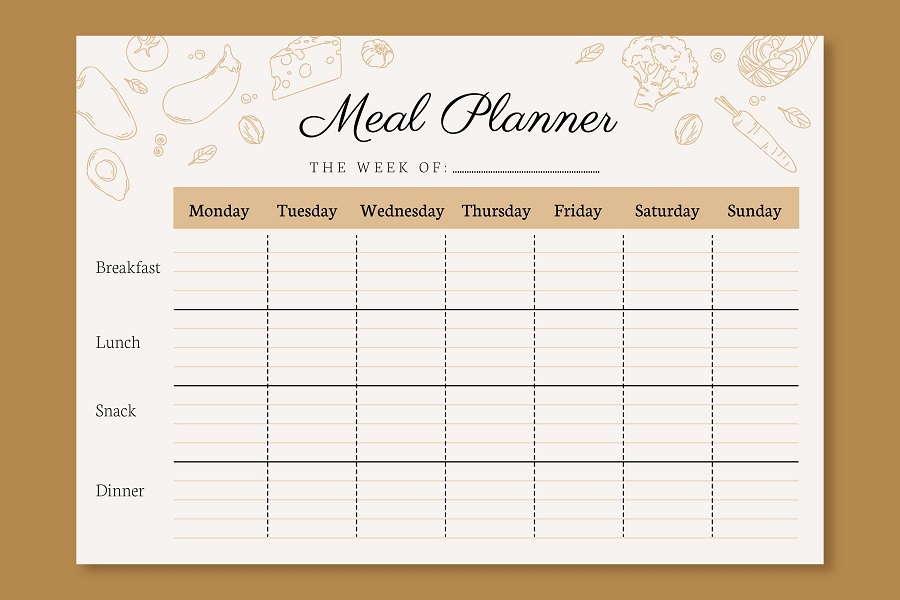
A weekly meal plan is your strongest weapon against impulse buys and food waste. Before you go to the store, plan your meals for the week, check what you already have in your fridge and freezer, and create a precise shopping list. This discipline prevents you from buying meat that might get lost and forgotten.
Rotate Your Freezer Inventory
Treat your freezer like a library, not a black hole. Implement a “first-in, first-out” (FIFO) system. Place newly purchased or prepared items at the back and move older items to the front. A simple list taped to the freezer door can help you keep track of what’s inside, so nothing ever gets buried and wasted.
The “Use-It-Up” Meal
Designate one meal per week—like a Friday night “buffet” or a Saturday stir-fry—where the sole purpose is to creatively use up any leftover meat, vegetables, or grains lingering in your fridge. This clears out space and ensures nothing spoils.
Frequently Asked Questions (FAQs)
1. What is the cheapest meat to buy right now?
Typically, chicken thighs, drumsticks, whole chickens, ground turkey, and tougher beef cuts like chuck roast are among the most budget-friendly. Prices can vary by region, but these options consistently offer great value while remaining versatile and flavorful.
2. Is buying meat in bulk really cheaper?
Yes. Buying large packs or wholesale meat reduces the price per pound significantly. When combined with proper freezing and storage, bulk buying can cut your meat costs by 30–50%. Just ensure you have a plan to prevent waste.
3. What day of the week is best to buy meat on sale?
Many stores mark down meat midweek, especially Wednesday or Thursday when new sales cycles begin. Early mornings also offer fresh markdowns on items nearing their sell-by dates.
4. How can I save money on beef specifically?
Choose cheaper cuts such as chuck roast, sirloin tip, skirt steak, and ground beef. Buy family packs, shop during promotions, and consider buying from local farms. Slow cooking also makes tougher cuts tender and delicious.
5. How do I freeze meat properly?
Portion the meat into usable sizes, remove as much air as possible from bags, label with dates, and store in the coldest part of your freezer. Vacuum sealing provides the best long-term preservation.
6. How long can meat stay frozen and still be safe to eat?
Beef can last up to 12 months, chicken and turkey up to 9 months, and ground meat 3–4 months for best quality. While frozen meat stays safe longer, it may lose flavor and texture with extended storage.
7. Is it worth buying from a butcher instead of a supermarket?
Often, yes. Butchers offer better-quality meat, custom cuts, and bulk deals. Many also provide advice on affordable alternatives and cooking methods that maximize value.
8. What meals stretch meat the farthest?
Dishes like soups, stews, casseroles, tacos, stir-fries, pasta dishes, and rice bowls make small portions of meat go a long way. Adding beans, veggies, or grains extends the dish without compromising taste.
9. How can I tell if discounted meat is still good?
Trust your senses. The meat should have a fresh smell, and the packaging should be intact without any excessive liquid or a slimy texture. A discounted price due to an approaching sell-by date is perfectly safe if you freeze or cook it promptly.
10. Are meat subscription boxes cost-effective?
It depends. While they offer convenience and often high-quality meat, they are rarely the cheapest option. Compare the price per pound to your local stores. They may be worthwhile for specific, hard-to-find items or if your priority is convenience and curated selection over the absolute lowest cost.