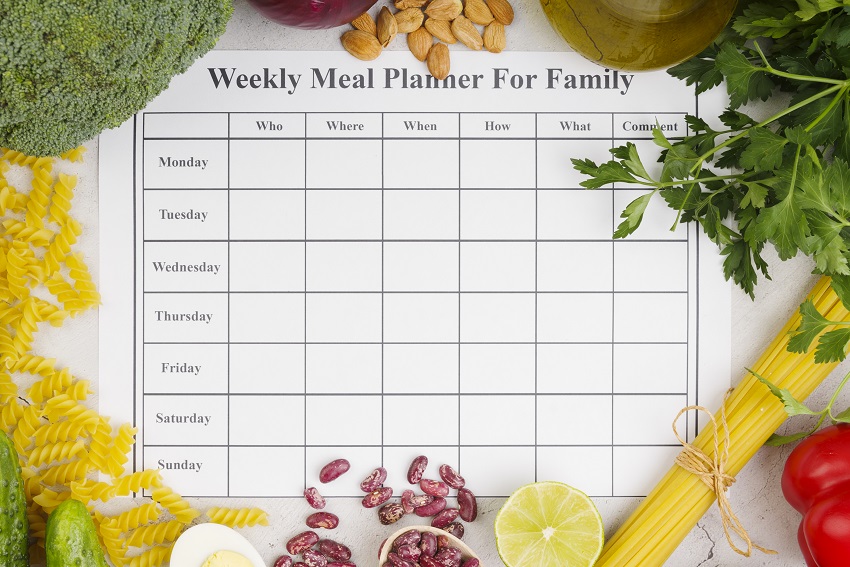
Feeding a family of four on just $50 a week might sound like a monumental challenge, especially in an era of rising food costs. The notion can feel daunting, even impossible. But what if we told you it’s not only achievable but can also be a gateway to healthier, more intentional eating habits for your entire household?
This isn’t about deprivation. It’s about empowerment, strategy, and making every single dollar work its hardest. With meticulous planning, disciplined shopping, and a strategic focus on nutrient-dense staples, you can provide nutritious, satisfying, and delicious meals for your family without breaking the bank. This comprehensive guide will walk you through every step—from building a bulletproof budget grocery list and creating a weekly meal plan to mastering savvy shopping techniques that minimize waste and maximize nutrition. Let’s transform that $50 weekly grocery budget from a source of stress into a triumph of resourcefulness.
Why a $50-a-Week Grocery Budget is a Powerful Goal
Setting a strict, low grocery budget isn’t just about pinching pennies. It’s a strategic move that fosters financial discipline and culinary creativity.
The Sobering Reality of Rising Food Costs
There’s no sugarcoating it: grocery prices continue to climb, making food one of the most significant monthly expenses for families. According to recent USDA data, many households are seeing double-digit percentage increases in their food-at-home bills. A fixed goal like $50 per week forces a necessary shift in mindset, pushing you toward the most cost-effective, nutrient-rich ingredients and away from inflationary pressures.
It Fosters Intentionality and Smart Planning
A tight budget leaves no room for impulse buys. It necessitates a plan. You will learn to shop with a precise list, build meals around versatile staples, and resist the siren call of expensive convenience items. Studies and budgeting experts consistently show that planning your meals before you shop can reduce food waste by up to 20% and save the average family hundreds of dollars per year. This process transforms grocery shopping from a reactive chore into a proactive strategy.
Stretching Your Dollars Requires Trade-Offs, Not Sacrifice
To make this budget work, you’ll lean heavily on foundational, low-cost items like rice, beans, lentils, eggs, oats, and frozen vegetables. This doesn’t mean your meals have to be bland or repetitive. On the contrary, it encourages culinary creativity. With a well-stocked spice cabinet and a few simple techniques, you can transform these humble ingredients into a rotating menu of balanced, filling, and flavorful meals. The goal is to redirect spending from expensive, processed foods to the whole ingredients that form the basis of a healthy diet.
How to Build Your Bulletproof $50 Weekly Grocery List
The cornerstone of this entire endeavor is a carefully curated shopping list. This sample list is based on research from budget experts and real-world testing, designed to cover all essential food groups for a family of four.
Sample $50 Grocery List Breakdown
| Category | Items & Approximate Cost* | Why It’s on the List |
|---|---|---|
| Proteins | Eggs (1-2 dozen, ~$3.50), Dried Lentils (1 lb, ~$1.50), Dried Black Beans (1 lb, ~$1.50), Peanut Butter (18 oz, ~$3.00) | These are your budget protein powerhouses. Eggs and lentils are incredibly versatile and nutrient-dense, providing a cheap source of high-quality protein and essential amino acids. |
| Grains & Carbs | Rice (5 lb bag, ~$3.50), Whole Wheat Pasta (2 lbs, ~$3.00), Oats (1 large canister, ~$3.00), Whole Wheat Bread or Tortillas (~$2.50) | These calorie-dense staples form the base of your meals. They are filling, energy-providing, and incredibly affordable in bulk. Oats are a champion for cheap, healthy breakfasts. |
| Vegetables | Onions (3 lb bag, ~$3.00), Carrots (2 lb bag, ~$2.00), Potatoes (5 lb bag, ~$4.00), Frozen Mixed Vegetables (2 bags, ~$3.00 total) | Root vegetables are cheap, calorie-dense, and store well. Frozen veggies are a nutritional match for fresh, often cheaper, and eliminate the risk of spoilage, making them crucial for a tight budget. |
| Fruits | Bananas (6-8, ~$2.00), Apples (3 lb bag, ~$4.50) | Bananas are consistently the cheapest fruit. Apples, bought in bags, are a cost-effective way to add fiber and vitamins. Always choose what’s in season and on sale. |
| Dairy | Milk (1 gallon, ~$3.50), Block Cheddar Cheese (8 oz, ~$3.00) | Milk is a cost-effective source of protein and calcium. A block of cheese is cheaper per ounce than pre-shredded and lasts longer. It’s used as a flavor enhancer, not a main ingredient. |
| Pantry Staples | Canned Diced Tomatoes (2 cans, ~$2.00), Cooking Oil (if needed, ~$2.50), Salt, Pepper, Basic Spices (garlic powder, onion powder, paprika) | Canned tomatoes are the base for sauces, soups, and stews. A basic spice rack is non-negotiable for creating varied flavors from the same core ingredients. |
Prices are approximate and will vary by region, store, and sales. The total here is around $48, leaving a small buffer for tax or a sale item.
Masterful Meal Planning on a $50 Budget
If you want to consistently stay within your $50 weekly grocery budget, meal planning is not just a good idea—it’s non-negotiable. This is where your list transforms into a practical, hunger-fighting plan.
Build Your Weekly Menu Around Core Staples
Here’s how to think about constructing your meals:
- Breakfasts: Keep it simple, rotating between oatmeal (with peanut butter or sliced banana), scrambled eggs with toast, or peanut butter on whole wheat bread.
- Lunches: Focus on leftovers or simple assemblies. Think bean-and-rice bowls with a sprinkle of cheese, lentil soup, egg salad sandwiches, or a simple veggie and bean wrap.
- Dinners: This is where you get creative. Use your staples to create hearty, one-pot meals that yield leftovers.
- Lentil Bolognese with whole wheat pasta.
- Hearty Red Bean and Vegetable Soup with a side of bread.
- Rice and Black Bean Stir-fry with frozen mixed vegetables and a scrambled egg mixed in.
- Potato and Carrot Hash topped with a fried egg.
- Cheesy Potato and Broccoli Soup (using frozen broccoli).
The Power of Batch Cooking
Batch cooking is your secret weapon. Dedicate a few hours on the weekend to cook large batches of staples:
- Cook the entire bag of rice or a large pot of lentils.
- Prepare a big pot of lentil soup or bean chili.
- Hard-boil a half-dozen eggs for quick snacks or lunches.
This “cook once, eat twice” (or more!) approach saves incredible amounts of time during busy weekdays and ensures that no food goes to waste. As suggested by meal planning experts, portioning these cooked meals makes for easy grab-and-go options.
7 Smart Grocery Shopping Tactics to Make $50 Stretch Further
Your success hinges not just on what you buy, but how you buy it. Adopt these tactics to become a savvy shopper.
- Become a Unit Price Ninja: The price on the shelf is often deceptive. Always look at the small sticker that shows the price per ounce or per pound. Sometimes a smaller package is actually cheaper per unit than the “value-sized” one.
- Embrace Generic and Store Brands: For staples like beans, rice, pasta, and canned vegetables, the store brand is almost always identical in quality to the name brand but significantly cheaper. They are often produced in the same facilities.
- Prioritize Frozen Vegetables: Frozen veggies are picked and frozen at peak freshness, locking in nutrients. They are typically cheaper per pound than fresh, and you can use exactly what you need, drastically reducing spoilage.
- Buy in Bulk Wisely: Purchasing large bags of rice, dried beans, or oats can lead to substantial savings. However, avoid bulk-buying perishable items unless you have a concrete plan to use or preserve them before they spoil.
- Eliminate Processed and Convenience Foods: This is the golden rule. Pre-packaged meals, pre-cut fruits and vegetables, and fancy snack packs are budget-killers. Commit to cooking from scratch with whole ingredients.
- Plan Your Menu Around Sales: Before you finalize your meal plan, check the weekly flyers for your local grocery stores. If chicken thighs are on a deep discount, you can adjust your plan to incorporate one meat-based meal, stretching it across multiple dishes.
- Leverage Cashback and Digital Coupons: Use apps like Ibotta, Fetch Rewards, or your store’s own app to clip digital coupons and get cashback on items you’re already planning to buy. This is like getting a discount after you’ve already paid.
Minimizing Waste and Maximizing Nutrition on a Tight Budget
When every dollar counts, letting food spoil is like throwing cash directly in the trash. A zero-waste mindset is crucial.
- Embrace Plant-Based Proteins: Meat is often the most expensive item on a list. By building your meals around affordable plant-based proteins like lentils, beans, and chickpeas, you free up significant funds for other nutritious foods.
- Become a Freezing Pro: Your freezer is your best friend. Freeze leftover soups, stews, cooked rice, and even bread. If you see a great sale on a perishable item, buy it and freeze it immediately.
- Adopt a “Root-to-Stem” & “Nose-to-Tail” Approach for Produce: Use every edible part of your food. Carrot tops can be blended into pesto, broccoli stems can be shredded into slaws, and onion skins can be used to enrich homemade broth.
- Practice Portion Control from the Start: When serving meals, start with slightly smaller portions. Anyone who is still hungry can have a little more, but this prevents good food from being left on plates and eventually discarded.
A Realistic 7-Day Sample Menu for a Family of 4
Here is a practical weekly menu built entirely from the sample $50 grocery list above.
| Day | Breakfast | Lunch | Dinner |
|---|---|---|---|
| Monday | Oatmeal with sliced banana | Peanut butter on whole wheat bread | Lentil Bolognese over whole wheat pasta with steamed carrots |
| Tuesday | Scrambled eggs & toast | Leftover Lentil Bolognese | Hearty Red Bean & Vegetable Soup with a side of bread |
| Wednesday | Oatmeal with apple | Leftover Bean Soup | Rice & Black Bean Stir-fry with frozen mixed veggies |
| Thursday | Peanut butter toast & banana | Egg salad sandwiches | Potato, Carrot, and Onion Hash topped with fried eggs |
| Friday | Oatmeal with banana | Leftover potato hash | Cheesy Potato & Broccoli Soup (using frozen broccoli) |
| Saturday | Banana Pancakes (mashed banana, oats, egg) | Leftover Cheesy Potato Soup | Rice & Lentil Bowls with sautéed cabbage and a sprinkle of cheese |
| Sunday | Scrambled eggs with cheese & toast | Assorted leftovers | “Kitchen Sink” Frittata using any leftover veggies, beans, and cheese |
Pro Tips for Stretching Your Budget Even Further
Once you’ve mastered the basics, these advanced strategies can help you squeeze even more value from your budget.
- Implement “Meatless Mondays” (and Tuesdays): Designate several nights a week as fully plant-based. This dramatically reduces your biggest potential expense.
- Become a Seasonal Superhero: Buy fruits and vegetables when they are in peak season and therefore abundant and cheap. In summer, that might be zucchini and berries; in fall, it’s apples and squash.
- Start a Mini-Home Garden: Even a small patio planter with herbs like basil, parsley, or cilantro can save you money over buying expensive plastic clamshells. A pot with a tomato or pepper plant can yield a surprising harvest.
- DIY Your Snacks: Replace expensive packaged snacks with homemade alternatives. Pop a bag of plain popcorn, hard-boil a dozen eggs, or slice up some apples with peanut butter.
- Conduct a Multi-Store Strategy: If you have the time and access, buy loss leaders (deeply discounted items to draw you in) from multiple stores. Get your produce from one and your dry goods from another.
Common Challenges and How to Overcome Them
Anticipating hurdles is key to long-term success.
- Challenge: Wild Price Variability. A bag of potatoes can cost $3 in one store and $6 in another. Solution: Be flexible. If a planned ingredient is too expensive, have a backup (e.g., cabbage instead of carrots). Know the baseline prices in your area.
- Challenge: Meeting All Nutritional Needs. It can be hard to get enough variety on a very limited budget. Solution: Focus on the most nutrient-dense cheap foods: eggs, lentils, sweet potatoes, and oats. Consider a low-cost multivitamin, especially for growing children, as a nutritional safety net.
- Challenge: The Time and Effort Investment. Cooking from scratch takes time. Solution: Batch cook on weekends. Embrace slow cooker or Instant Pot meals that require minimal active time. Keep weeknight meals simple—a 20-minute stir-fry is perfectly acceptable.
- Challenge: The Dreaded Food Boredom. Eating similar ingredients repeatedly can become monotonous. Solution: Your spice rack is your flavor arsenal. The same base of rice and beans can be Mexican-style with cumin and chili powder, Indian-inspired with curry powder, or Italian-flavored with oregano and basil.
Frequently Asked Questions (FAQs)
1. Is it really possible to feed a family of 4 with just $50 per week in today’s economy?
Yes, it is possible, as demonstrated by countless frugal families, budget bloggers, and financial experts. However, it requires an unwavering commitment to planning, shopping strategically, and cooking from scratch. It is a challenge, but one with a very achievable payoff.
2. What if the food prices in my area are significantly higher than the national average?
The core principles remain the same, but you may need to make adjustments. You might buy slightly less of the most expensive categories (like dairy) or rely even more heavily on the absolute cheapest staples (dried beans, rice, potatoes). Leveraging sales, discount grocers (like Aldi, Lidl, or local ethnic markets), and unit pricing becomes even more critical.
3. How can I ensure my family’s meals are balanced and nutritious on this budget?
The foundation of this budget is inherently nutritious: whole grains, legumes, eggs, and vegetables. By focusing on this combination, you are naturally providing a diet rich in fiber, complex carbohydrates, and plant-based proteins. The variety from frozen and fresh vegetables ensures a intake of essential vitamins and minerals.
4. Are snacks and treats completely off the table?
Not at all, but they need to be redefined. Instead of bags of chips or cookies, treats become homemade popcorn, a piece of seasonal fruit with peanut butter, or a slice of toast with a tiny bit of jam. You can even make simple “energy balls” from oats, peanut butter, and a mashed banana.
5. How often should I go grocery shopping on this plan?
A once-a-week trip is ideal for maintaining discipline and sticking to your $50 cash envelope or debit card limit. This prevents mid-week “I forgot one thing” trips that often lead to impulse purchases. If you have bulk storage, you might do a big staple run once a month and smaller weekly trips for perishables.
6. Can this budget work for picky eaters or young children?
It can, but it requires patience and creativity. Involve your children in the meal planning process—give them a choice between two budget-friendly options. “Would you rather have black beans or red beans with our rice tonight?” Often, familiar preparations like pasta, simple soups, and scrambled eggs are well-accepted. You can also “sneak” finely grated carrots or zucchini into sauces and soups.
Final Thoughts: Your Journey to Financial and Culinary Empowerment
Feeding a family of four on a $50 weekly grocery budget is a formidable goal, but it is far from impossible. It demands planning, discipline, and a willingness to embrace simplicity, but the rewards extend far beyond your bank account. You’ll develop better food habits, reduce waste significantly, and gain a profound sense of accomplishment.
This guide provides the blueprint. The sample $50 grocery list and 7-day meal plan are your starting tools. The real magic happens when you adapt this framework to your family’s tastes and your local store’s prices. Start by trying it for just one week. Track your spending, note what worked and what didn’t, and refine your approach. Over time, you will master the art of eating well for less, proving that nourishing your family is not about how much you spend, but about how strategically you shop and creatively you cook. You’ve got this