Being broke can happen to anyone. Jobs change. Prices go up. Emergencies hit without warning. For families, it feels even heavier. Bills don’t stop. Kids still need food. And stress builds fast.
The good news is this: being broke is a situation, not an identity. You can take control step by step.
Step 1: Get Clear on Where Your Money Is Going
Before fixing anything, you need the full picture.
Write down:
- All income, even small amounts
- Every expense, no matter how small
- Debts, due dates, and minimum payments
This step feels uncomfortable. Do it anyway. Knowing the truth gives you power.
Many people search for what to do when you are broke because they feel lost. Clarity removes panic and replaces it with direction.
Step 2: Cut Expenses Immediately
When you have no money, speed matters.
Start here:
- Cancel unused subscriptions
- Pause eating out and takeout
- Switch to cheaper phone or internet plans
- Buy store brands instead of name brands
- Use food pantries if needed
This is not failure. It’s survival. Families who recover financially always cut expenses first.
If you’re wondering how to survive when you have no money, this step keeps you afloat.
Step 3: Increase Income Fast
Saving helps, but income moves the needle faster.
Options that work when you’re broke:
- Gig work or part-time shifts
- Selling unused items at home
- Babysitting, cleaning, delivery work
- Online freelancing with basic skills
You don’t need a perfect job. You need cash flow. Many people searching ways to make money fast when broke start here and stabilize within weeks.
Step 4: Handle Debt the Smart Way
Debt feels scary when money is tight, but ignoring it makes things worse.
Do this instead:
- Call creditors and explain your situation
- Ask for payment plans or hardship options
- Focus on minimum payments first
- Avoid payday loans and cash advances
If you’re broke and need help, communication matters more than perfection.
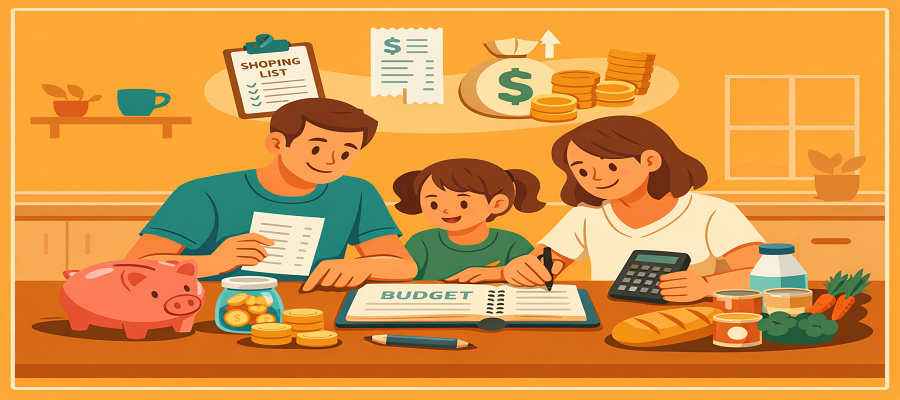
Step 5: Create a Simple Budget You Can Stick To
Forget complicated systems. Keep it simple.
A basic plan:
- Needs first (rent, food, utilities)
- Everything else waits
- Track weekly, not monthly
- Adjust as income changes
A budget for broke people should feel realistic, not restrictive. The goal is control, not punishment.
Step 6: Build a Small Emergency Buffer
You don’t need thousands right away.
Start with:
- $10–$25 saved whenever possible
- Any extra income goes here first
- Keep it separate from spending money
This step breaks the cycle of always being one problem away from zero. Many people searching how to fix money problems fast skip this and stay stuck.
Step 7: Use Free Tools and Resources
You don’t need paid programs.
Helpful options:
- Free budgeting apps
- Expense trackers
- Community assistance programs
- Free financial education online
These tools help you stay consistent when motivation drops.
Step 8: Change Habits That Keep You Broke
This part matters long-term.
Watch out for:
- Emotional spending
- Avoiding money conversations
- Relying on credit for basics
- No plan for irregular expenses
Breaking these habits is how people go from broke and struggling to stable and calm.
Final Thoughts: Start Where You Are
If you are broke right now, you are not alone. Many families are in the same place, even if it doesn’t look like it. Progress doesn’t come from big moves. It comes from small actions done daily.
Start with one step today:
- Track your money
- Cut one expense
- Find one way to earn more
That’s how financial recovery begins.
What should I do first when I realize I’m broke?
Start by listing all your income, expenses, and debts. You can’t fix what you can’t see. This step helps you stop guessing and start making clear decisions.
How do I survive when I have no money at all?
Cut all non-essential spending right away. Focus only on food, housing, and utilities. Use community help like food banks if needed. Look for quick income options the same week.
Is it normal to be broke even if I work full time?
Yes. Rising costs and low wages make this common. Being broke doesn’t mean you failed. It means your income and expenses are out of balance.
What are the fastest ways to make money when broke?
Selling unused items, gig work, short-term jobs, and service-based work like cleaning or babysitting are the fastest options for most people.
Should I pay debt or buy groceries first?
Always cover basic needs first. Food, rent, and utilities come before debt. Then contact creditors to explain your situation and ask for options.
How do I budget when there’s nothing left after bills?
Use a bare-bones budget. List only essential expenses. Even tracking $0 left helps you see where changes are needed and where income must increase.
Are payday loans a good idea when I’m desperate?
No. They usually make things worse. High fees and short deadlines trap people in deeper debt when they are already broke.
How long does it take to recover financially after being broke?
It depends on income and expenses, but many people see improvement within a few months by cutting costs, increasing income, and sticking to a simple plan.
Can families really get out of being broke?
Yes. Many families do. It takes honest budgeting, short-term sacrifices, and steady habits. Progress is slow at first, then it builds.
What if I feel overwhelmed and stuck?
That’s normal. Focus on one action at a time. Don’t try to fix everything today. Small steps done consistently lead to real change.